Written case studies
Published: 18 October 2023
This was published when the organisation was the Royal Pharmaceutical Society.
Read our case studies of best practice in different settings across Wales. They all support the aims of RCPharm’s professional vision for the future.
Examples of pharmacy best practice in Wales
Enhancing patient experience
Empowering pharmacy technicians to make every contact count
During her recent Centre for Perioperative Care (CPOC) fellowship Claire Frank raised awareness of how pharmacists and pharmacy technicians can support patients with active preparation for surgery regardless of the sector they practice in. Stopping smoking, reducing alcohol intake, increasing physical activity, focusing on nutrition and wellbeing, optimising comorbidities and preparing the home environment can reduce complications by 50% and length of stay by 1-2 days, benefiting both patients and the wider NHS. Importantly surgery is considered a teachable moment so lifestyle change introduced pre-operatively is often sustained long-term helping deliver a healthier Wales.
The pharmacy team at Wrexham Maelor Hospital use the pre-operative assessment consultation as an opportunity to counsel patients on optimal use of their medication and promote smoking cessation. Claire has encouraged the wider pharmacy department to utilise their consultations to promote lifestyle change (e.g., encouraging mobilisation with condition specific tips from Moving Medicine) and optimise comorbidities which may worsen surgical outcomes (e.g., anaemia, diabetes, frailty). She is currently exploring ways primary and secondary care teams can signpost patients to CPOC’s ‘what to ask, think about and do if you might be having an operation’ leaflet at the beginning of their surgical pathway to raise awareness of the benefits of lifestyle change, aligning with Welsh Government’s ‘Promote, Prevent and Prepare for Planned Care’ policy and maximising the impact on surgical outcomes.
Embedding pharmacy teams in urgent and emergency care departments
1. At the Grange University Hospital, it was identified that medication-related issues contributing to delays/sub-optimal flow and patient outcomes was adding to the already present severe pressures on the Urgent Care system. A need to have a sustainable all year-round ED Pharmacy team at the front door was identified. Funding for a new ED pharmacy team was approved, with the team operating 7 days per week and clinically reviewing 80% of the overall ED admissions each day. The team proactively reduce medicine costs by providing advice and guidance on variability in supply, prescribing and pricing, scrutinise spend and proactively challenge for use of patient own medicines. The team collaboratively work with ED colleagues to provide advice on guidelines, patient group directions and policy together with reviewing stockholding and patient safety initiatives. Analysis has indicated that 99% of medication reconciliation occurs within 24 hours, 83% of medicines are prescribed by independent prescribing pharmacists, incidence of omitted medicines has reduced by 50%, missed doses of critical medicines reduced by 67%, allergy status omitted reduced by 65% together with reduced medicine errors on discharge, reduced length of stay and reduced rates of readmissions.
2. During an eight-week pilot introducing pharmacy support in Betsi Cadwalader University Health Board IHC Emergency Department (ED), a total of 1,896 interventions were made — 65% by pharmacists and 35% by medicines management pharmacy technicians. The pharmacy technicians helped maintain patient safety by referring pharmacists to notable interventions. Interventions were graded using the All-Wales Intervention Database methodology to calculate cost-avoidance, which totalled £404,954. The ED pharmacy team more than tripled medicines reconciliation rates for the duration of the project, averaging 64 per week. The majority were undertaken by the ED pharmacy technicians, which released the pharmacists to focus on higher acuity patients and answering more complex queries. This pilot, similar to others carried out throughout Wales, has helped demonstrate the value of embedding pharmacy teams as part of the MDT within emergency departments, with this now becoming more commonplace.
Championing environmental sustainability from community pharmacy
1. A community pharmacy in Newport, ABUHB, has achieved net-zero carbon emissions, receiving a gold award from the Greener Primary Care Wales Framework and Award Scheme. The pharmacy has made substantial changes to reduce their carbon emissions, including installing solar panels, using LED lightbulbs, insulating the pharmacy with recycled lagging and replacing the petrol van used to deliver customer prescriptions with an electric vehicle. In addition, the pharmacy contributed financially to an environmental charity to plant trees to offset the pharmacy’s remaining carbon footprint and achieve net-zero status. Through a healthcare sustainability project and ongoing continued work, the pharmacy actively counsels’ patients on the clinical and environmental benefits of changing from metered-dose inhalers (MDIs) to dry-powder inhalers (DPIs).
2. Treherbert Pharmacy, Cwm Taf Morgannwg – Located at the head of the Rhondda Fawr valley, we pride ourselves as being at the heart of the community and providing a growing package of services to local residents. Our participation in the Greener Primary Care Wales Scheme, led by Jon James, Pharmacy Manager, enabled us further opportunity to engage with our patients and customers to raise awareness of environmental sustainability. We completed 20 actions to gain our silver award and Jon continues to proactively promote this work with the team. We made numerous changes and put in place many practises and actions to ensure that our pharmacy is as green and energy efficient as possible.
Every member of our team completed carbon literacy training via NHSLearning@Wales and we worked together to identify new ways of reducing waste and cutting energy usage. Examples included turning off computers, recycling single use plastics, and switching to digital communications channels. Our focus on energy use included installing new LED lighting and we also took action to ensure that at the end of every day someone switched off all appropriate lights and equipment to reduce energy consumption.
We took the approach of making lots of small changes which together can produce a big impact. Not only are these changes better for the environment, but they can also help to cut costs and save money, meaning that our pharmacy is more financially sustainable.
“We really enjoyed taking part in the scheme and found that it encouraged us to reflect on the environmental impact of processes we might not have otherwise considered.”
We are very proud to be one of only six independent community pharmacies in Wales to have been presented with a Greener Primary Care Wales award as well as being a Silver award winner for 2024. We were absolutely delighted with our team efforts and were thrilled to receive this award.
“There are lots of things that pharmacy teams can do to become greener and work in a more sustainable way.”
Treherbert pharmacy received a greener primary care Wales silver award in 2024.
Enhancing Patient Experience in national clinical priority areas
Wellington Road Pharmacy in Rhyl, North Wales has been offering a Blood Borne Virus (BBV) testing service to patients in their local community. The service is available to anyone who is high risk of contracting Hepatitis C. Trained members of the pharmacy team, including a pharmacist and a pharmacy technician perform a mouth swab on patients to detect hepatitis C antibodies. The team have promoted the service locally and have regular conversations with patients accessing needle and syringe supply or supervised administrations services.
The team have identified a number of positive cases through antibody detection, in addition to members of the community requesting a test when they suspect potential exposure. As well as providing easy access to testing for their community, the service has also enhanced relationships with the local substance misuse service, with their nurse supporting ad hoc testing clinics at the community pharmacy.
Sarah Hulse, the Consultant Blood Borne Virus Pharmacist for Betsi Cadwaladr University Health Board (BCUHB), works across North Wales looking after people living with HIV and viral hepatitis. Sarah leads the rapid test and treat pathway for hepatitis C in the community which has helped provide treatment for marginalised communities who find it difficult to access care via traditional treatment pathways. One of the key priorities for the World health Organisation and a Welsh Government goal, to eliminate hepatitis B and C as a public health threat by 2030, is to increase testing to be able identify people who still need to be treated and engage them in care. Hepatitis C testing by community pharmacies helps to widen access to testing and to potentially reach patients who may not be engaging with any other healthcare professionals.
Strengthening the research and quality improvement practice or pharmacy professionals
Pharmacy Research Wales (PRW) have led on an initiative to strengthen the collaboration across Wales between academia and NHS. Practitioners have been invited to come forward with a project idea, they are then supported by an academic, working together to build a research proposal and subsequently jointly supervising an undergraduate project. All team members benefit from this collaboration, which is currently run with Cardiff and Swansea University, where practitioner numbers engaged in the partnership have increased to 60 per year.
As a result of actions emerging from the Seamless Pharmaceutical Care working group, two practitioners, Emyr Jones and Lois Gwyn, have led on identified collaborative undergraduate projects in 2025: one exploring the role of community pharmacy in social prescribing through the School of Pharmacy and Pharmaceutical Sciences, Cardiff and another scoping the current roles of pharmacist independent prescribers in primary care with Swansea University.
Assessing the roles, skills and development needs of pharmacist independent prescribers in Welsh primary care
L. Gwyn – Betsi Cadwaladr University Health Board, M. Healy and H. Jones – Swansea University Medical School, Swansea
Introduction
- Pharmacist Independent Prescribers (PIPs) have an increasing role within Welsh primary care services. This aligns with the Royal College of Pharmacy’s Pharmacy: Delivering a Healthier Wales vision1, which aims for all patient-facing pharmacists to become prescribers by 2030.
- There is limited research exploring the scope, training, and mentorship experiences of PIPs specifically within primary care settings2. Literature highlights disparities in training provision3, but limited research has explored these factors at a national level within the Welsh context.
Aim
To explore how PIPs in Welsh primary care utilise their prescribing and clinical skills, barriers and enablers for skill utilisation, training received and extent of mentorship or supervision activities.
Method
Cross-sectional mixed-methods survey distributed online to pharmacists working in primary care across Wales. Quantitative data on prescribing activities and training analysed using descriptive statistics. Qualitative insights derived from open-ended questions regarding barriers and enabling factors. Ethical approval granted by the Faculty of Medicine, Health and Life Science Research Ethics Committee, Swansea University.
Results
- Eighty-nine pharmacists responded, representing all 7 Welsh health-boards. Majority were female (69%), fell within 35–54 age range (63%), with 65% having been qualified for more than 10 years.
- An independent prescribing qualification was held by the majority (93%), but 45% had no formal primary care training.
- Most were involved in mentoring or supervising others (77%), but roles were often informal: “I’m mentoring junior staff but there’s no real structure.”
- Only 18% had acted as a designated prescribing practitioner.
Clinical skills
- Consistent confidence reported in physiological assessments e.g. blood pressure, pulse.
- Reduced confidence in examination skills, despite training: “I am trained but not confident to carry out ENT or cardiovascular exams…I avoid due to fear of missing something.”
Prescribing activity
- High engagement in clinical activities such as medicines reconciliation, medication review, polypharmacy reviews, high-risk medication management and dealing with medication queries was reported.
- Long-term condition management was substantial, with majority involved in prescribing in lipids, hypertension, type-2-diabetes, bone health and atrial fibrillation.
- In acute condition, pharmacists mainly managed skin, urinary, and gastrointestinal conditions, but full diagnostic autonomy was less frequent.
Enablers and barriers
- Supportive workplace culture, mentorship and access to courses/qualifications were key enablers: “Support from GPs in one of the practices through case discussion really helped me develop.”
- Time constraint, lack of protected time, low confidence and inconsistent mentorship structures were cited as barriers: “Many…mentors are happy to sign paperwork but not truly support or supervise, as there’s no time in practice.”
Discussion
Prescribing pharmacists (PIPs) are making a substantial contribution to primary care services in Wales, particularly in the management of long-term conditions. However, variations in clinical confidence—especially in acute care and patient examination skills—highlight the need for structured supervision or mentorship pathways to support the sustainability and expansion of clinical roles in primary care. Study limitations include a modest sample size and potential geographical bias due to regional differences in survey uptake.
- Royal College of Pharmacy: Delivering a Healthier Wales. 2019. Pharmacy: Delivering a Healthier Wales.
- General Pharmaceutical Council. Survey of registered pharmacy professionals. 2019. GPhC survey of registered pharmacy professionals 2019 | General Pharmaceutical Council.
- Stewart D, Maclure K, Newham R, Gibson-Smith K, Bruce R, Cunningham S, Maclure A, Fry S, Mackerrow J, Bennie M. A cross sectional survey of the pharmacy workforce in general practice in Scotland. Family Practice. 2020 Apr;37(2):206-12.
Seamless pharmaceutical care
Prioritising patients in the emergency department
Betsi Cadwaladr University Health Board
North Wales has introduced a system of prioritisation for patients arriving at the Emergency department on critical medicines through a notification system linked to their records. When patients arrive at the hospital, an email is generated to alert clinicians and pharmacists of their arrival.
Patients included are those with Parkinson’s disease, patients taking clozapine and those on immunosuppressants. The system has led to a reduction of missed doses of these time critical medications. The pharmacist writes the prescription chart for the patients on these medicines to enable staff to administer so that patients do not miss doses. This also reduces the workload for the clinicians and potentially reduces the length of stay due to earlier review of patients’ medicines.
“These alerts allow us to prioritise the patients that require pharmacy input the most to reduce omissions of time critical medicines.”
– Catherine Pollard, Pharmacist Team Leader for Unscheduled Care
Pharmacy technician-led wards
Melanie Owen – Senior Pharmacy Technician Medicines Management, Betsi Cadwaladr University Health Board
Melanie is an experienced Pharmacy Technician who has worked in the pharmacy department in Ysbyty Gwynedd for 25 years. Melanie is currently working as a specialist pharmacy technician to provide a pharmacy technician-led stable clinical pharmacy service to the elective orthopaedic arthroplasty ward without the requirement of direct pharmacist supervision.
Melanie has been successfully working on a training plan and scope of practice which will allow her to carry out more duties within this speciality independently.
The duties that Melanie currently provides are:
A medicines management service which includes medication chart reviews, medicines reconciliation and optimisation including the transcription of discharge prescriptions for her specialist area.
She also completes second checks to controlled drugs for administration by the nursing team and also manages controlled drug stock and destruction.
She also screens newly prescribed medication within her scope of practice and accesses and reviews microbiology and post-operative blood results including electrolytes, full blood count and therapeutic drug levels.
Melanie is passionate about Quality improvement and audit and has recently complete an audit looking at opioid prescribing to promote improved opioid stewardship. A project is also underway integrating patient feedback on their post-op analgesia and pain control and auditing prescribing habits.
She has lots more planned for 2025 including looking at auditing post-operative anaemia and prescribing errors.
Through her extensive experience and knowledge Melanie also has opportunity to take part in teaching sessions with the orthopaedic trainees and nursing team within her place of work.
Melanie has recently had the fantastic opportunity of speaking at the Manchester congress and Cardiff RPS event about her role and to present her poster which explores the effective utilisation of pharmacy workforce within the elective orthopaedic services at Ysbyty Gwynedd.
Royal Gwent Hospital, Aneurin Bevan University Health Board
The Pharmacy Technician-led ward team consists of Pharmacists, Pharmacy Technicians and Pharmacy Assistants, working at the top of their professional license to provide efficient and sustainable pharmaceutical care to patients. This was initially piloted as a service improvement project with the aim to improve prioritisation, reduce duplication of work and enhance clinical knowledge for Technicians.
Whilst these outcomes have been achieved, this project has also enhanced job satisfaction and confidence amongst Technicians. By providing clinical educational sessions to support their knowledge, the Technician team have the tools to review patient medications and are empowered to recognise and intervene on prescribing in a timely manner using their own autonomy.
This facilitates engagement with the wider MDT and demonstrates a positive impact on patient safety. Utilising a RAG prioritisation system, the Pharmacist is then able to prioritise their own caseload to provide clinical expertise to those with the greatest pharmaceutical care need. Our Pharmacy Assistants are then able to provide support with the medicines management service.
By improving efficiency at a multitude of levels, this project has improved capacity for patient counselling and engagement, the opportunity to undertake transcribing to support patient flow and facilitates learning and development for all staff. This approach has created a targeted approach to improve patient care, reduce costs and encourage innovation within Pharmacy and the MDT.
Additionally the following is a testimony from one of our technicians, Louise, who is taking part in the project:
“In my current role on the Technician-Led ward, I work as a Medicines Management Pharmacy Technician, where I play an active part in the clinical prioritisation of patients. I use a RAG (Red, Amber, Green) rating system, applied through electronic handovers, to identify Patients who require urgent review by the ward Pharmacist. This system allows us to ensure that more complex Patients are prioritised appropriately, enhancing Patient Safety and supporting timely Pharmaceutical care. This responsibility is greatly enhancing my clinical knowledge and developing my prioritisation and decision-making skills. I feel that my input contributes meaningfully to patient outcomes and helps streamline the workload for the wider pharmacy team. Having the autonomy and trust to undertake this role brings me a high level of job satisfaction, and I thoroughly enjoy the challenges and responsibilities it brings. I believe this model has great potential to be extended to more wards, offering other Technicians similar opportunities for growth and contribution.”
MSU Pilot from Community Pharmacy – CTMUHB
Gareth Hughes, a community pharmacist from Tynewydd Pharmacy, in Cwm Taf Morgannwg University Health Board has worked alongside the local health board team to establish a pilot where the pharmacist can request midstream urine (MSU) samples to be sent for culture and sensitivity testing. By working with Digital Health and Care Wales, Gareth was granted access to the Welsh Clinical Portal and was able to demonstrate a technical proof of concept through the use of dummy samples.
Once the technical logistics were established, Gareth has been able to integrate the use of MSU samples into his prescribing practice, where clinical guidance has illustrated testing benefits. Results from the MSU testing have illustrated that, in the majority of cases, the initial treatment prescribed was the most appropriate. There have been cases, however, which have demonstrated the benefits to community pharmacy having access to this testing, whereby sensitivity data has resulted in Gareth switching treatment.
This service has allowed relationships to be formed between the community pharmacist and the microbiology team which has reduced the need for patients to be passed between the pharmacy and general practice and provided prompt access to appropriate antimicrobials. Additionally, the service has allowed Gareth to treat more complex patients, where MSUs are clinically indicated, reducing the number of GP referrals.
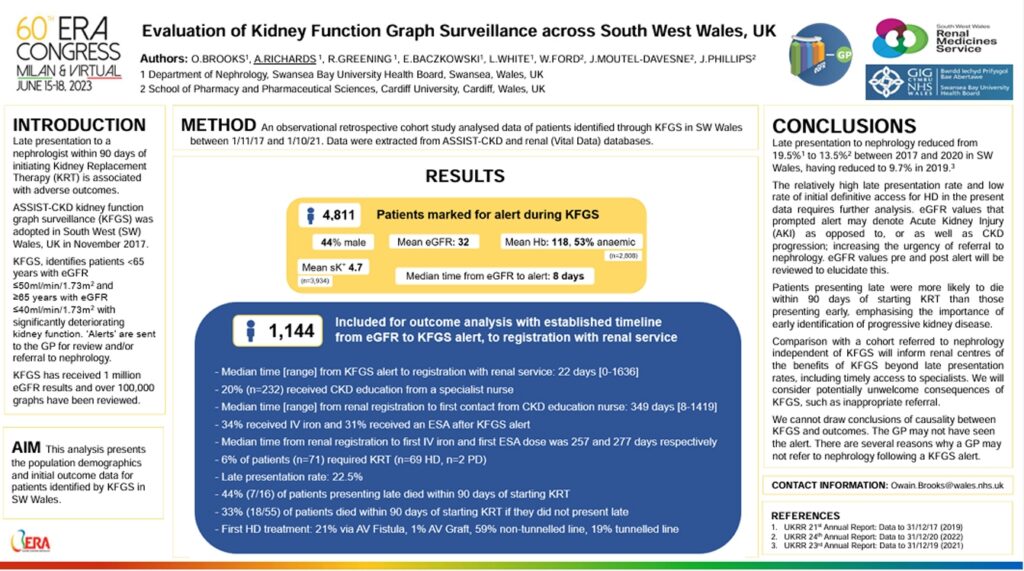
Kidney Function Graph Surveillance – Owain Brooks SBUHB
The attached poster is a little old now but provides a summary. Each week I receive ~15,000 eGFR results from primary care in SBU (over 1 million since we started in 2017). When I filter for patients’ age and kidney function, I look at around 350 graphs of kidney function/time, contact information and clinical info (e.g. NICE CG) are sent to the GP via DMS (WCP), who may wish to manage the decline themselves or refer to us.
I have been doing this since 2017 in SBU (I have reviewed over 100,000 graphs in that time). We have also rolled this out in Hywel Dda and North Wales. Our aim is to reduce late referral to renal services (associated with a 2-fold increased risk of mortaility) and prevent kidney failure and adverse cardio-renal outcomes. I think this is a good example of pharmacy-led coordination across boundaries, using digital technology effectively, and a focus on prevention.
Patient education
Over recent years, my team and I have been producing multimedia resources for people with kidney disease, including animations, videos, FAQs, dialysis instructional and training videos, 360° virtual tours and augmented reality app. We have modernised our renal website: https://sbuhb.nhs.wales/hospitals/a-z-services/renal-services/home-haemodialysis/. The home haemodialysis pages have most content, but resources are dotted throughout. Our ‘Caring for your kidneys’ animation will be published in February, which includes a lot of medication-related information.
I also oversee our Welsh Kidney Network website. Our aim is to provide accurate, trustworthy, and easy-to-understand information for patients and the public and provide healthcare professionals with easy access to useful links and clinical guidelines. Here is a link to the website for your perusal: https://wkn.nhs.wales/.
We’re also working on a new electronic clinic letter which includes a summary of the clinical consultation (e.g. please stop drug A and start drug B) and a care plan, including a video playlist via QR codes an links i.e. ‘prescribing education’. Patients will be able to access their letter/care plan via the NHS Wales app. We’re piloting the letter template now.
OPAT – BCUHB
Outpatient Parenteral Antimicrobial Therapy (OPAT) is a service that has been offered by Betsi Cadwaladr University Health Board (BCUHB) since 2020. This service has enabled patients to receive their treatment from home or the community rather than long hospital stays. With the ‘Hospital at Home’ model a key tenet of the Healthier Wales, the demand and requirement for this service is only going to increase in the near future.
Looking to the targets outlined within Pharmacy: Delivering a Healthier Wales, Pharmacy Technical Services in BCUHB is preparing for this paradigm shift in treatment by utilising state of the art aseptic technologies and semi-automation to offer an insourced production model for the ambulatory devices required for this service.
Working with both industry partners and Welsh Government, this project has developed a scalable and sustainable manufacturing method that will offer a flexibility for clinicians, as well as a reduced time-to-treatment and a reduction in treatment cost.
Developing the pharmacy workforce
Multisector working
BCUHB
Tina Allsup
Working as a multi-sector pharmacist in Wales has given me an interesting and varied career. I’ve spent most of my career between community pharmacy and primary care which has helped me understand how each part of the system works and where we can add real value as pharmacists.
Currently I work across three different roles: in primary care, community pharmacy and academia. In my primary care role within a BCUHB managed practice we’ve been focusing on improving our medication review services, particularly for patients with polypharmacy and those living in care homes. We work closely with the MDT at the practice to ensure our prescribing is safe, evidence-based and appropriate for that individual patient.
I continue to work one day a week for a local independent community pharmacy where our focus is delivering services such as PIPS, CAS and EMS. These services help reduce pressure on GP surgeries and A&E. Through PIPS in particular I am able utilise my clinical skills and assess and treat patients with a range of acute conditions.
More recently, I’ve taken on the role of non-medical prescribing lead at Wrexham University. Here I support pharmacists, nurses, and other allied health professionals as they train to become prescribers, and I design and deliver teaching that’s rooted in current practice. I try to bring in real-life examples from across sectors to keep the learning practical and relevant.
Working across sectors has enabled me to develop a more collaborative approach to patient care. It has also expanded my professional experience and opened up opportunities to grow and evolve in my career.
Rachel Roberts – Pharmacy Technician (Community hospital, Primary care and CRTs)
I am a pharmacy technician who has been working in primary care for many years following a background in community pharmacy. In recent years my role has expanded into community hospitals one day each week where I undertake medicines reconciliation, discharge facilitation and prioritise the workload for the clinical pharmacist on one ward. I have also since 2020 been located within the Community Resource Team (CRT) which is a multi-professional team which includes district nurses, social workers, occupational therapists, physiotherapists, mental health teams amongst others. This team is co-located above the ward that I work on which allows us to manage patient caseloads and support transfers in care.
The benefit of being located on site allows me to support patients following discharge if needed and also to hopefully prevent admissions. We meet once a week on teams with the GPs in our clusters to review complex cases and I accept referrals from the CRT team during this meeting. Additionally, being co-located with the team has benefits as we often discuss patients in the CRT and can resolve issues without the potential need for referrals. Some examples of referrals include non-compliance with medication, hoarding medication, confusion with medication changes following discharge from hospital, patients with swallowing or covert medication queries, providing medicine reminder charts or
support aids. And we are able to visit patients in their own homes to assess and support their medication needs.
As a result, we have developed a pharmacy technician led ‘out-reach’ service reviewing patients at risk of medication related incidents out in the community. Taking a ‘proactive’ approach to reducing hospital admissions. We document interventions and have evidence of where we have prevented hospital admissions and also suggest cost efficiencies where appropriate. Additional benefits include that the professions have a greater knowledge of what pharmacy can do or offer to patients in the community. Also, my experience in community pharmacy supports my engagement with community pharmacies to resolve issues and best care for our patients.
I maintain my GP practice workload by working in the GP practices or the CRT base which allows me to prioritise my work and respond efficiently to urgent queries. I am also currently studying a clinical prioritisation module for pharmacy technicians which will hopefully support my knowledge and skills to prioritise patients clinically in all of the areas I practice.
Cerian Evans – Pharmacy Assistant (Community hospital and Primary care)
I am a pharmacy assistant who works primarily in community hospitals and have experience of working in community pharmacies and GP dispensing practices. My role involves supporting the dispensary in many aspects by dispensing prescriptions from the ward or outpatients.
Working in several community hospitals both at ward level and dispensary environment and also supporting managed practices with specific activities. E.g. 56 day prescribing.
Challenges – As we aren’t funded for the PC work, if the member of staff is off, there is no backfill.
CVUHB
Dafydd Rizzo
Roles: Clinical and Technical Services Pharmacist in C&VUHB/Policy and Public Affairs Executive RPS Wales/GPhC accreditation panel member.
I’m a part time clinical and aseptic pharmacist in Cardiff. In this role I managed to complete my prescribing course through the post-foundation course credentialed by the RPS. I am also a newly qualified member of the GPhC accreditation panel, travelling around the country accrediting MPharm courses throughout GB. By having clinical experience with C&VUHB and education and standards experience through the GPhC it inspired me to join RPS Wales as a part time policy and public affairs executive. By having experience in policy I can keep up to date with future workforce planning and improve my clinical skills in co-ordination with the needs of the workforce. This brings a benefit to the patients I meet ensure they have the best care possible with the correct skill mix expected from a pharmacist. With the education standards role I am able to assist in the training of the next generation of pharmacists ensuring that they are prescriber ready. By having these multiple roles I am able to feedback to my colleagues in C&VUHB and vice versa back to RPS Wales, ensuring that front line staff have input into policy and development. My advice to newly qualified pharmacists is to network as much as possible. Through networking good practice can be replicated throughout Wales ensure the best care possible for our patients.
HDUHB
Rhiannon Robinson
I joined Hywel Dda UHB in 2018 as a secondary care antimicrobial pharmacist where I also had clinical ward responsibilities. In 2020 an opportunity arose to move into an integrated role where I could become an antimicrobial pharmacist across both sectors. This immediately diversified my job role and allowed me to work more autonomously, whilst still having direct access to peers virtually on the days I worked in primary care. I was introduced to new prescribing systems and dashboards and was able to understand the interface between the two sectors much more seamlessly. Having now worked with both secondary care prescribers and GPs, I have learnt to better adapt my style of presenting to the audience I have in front of me and can emphasise with the challenges faced by all. Working in an integrated role has allowed me to improve patient care as I can liaise with the appropriate team on both sides and offer advice for patients with complicated infections in both an
acute setting and a GP surgery. I would encourage anyone who has the opportunity to consider taking up an integrated role to do so, not only to improve patient safety but diversification of their job role, and benefits to the teams you work in.
SBUHB
Jonathan Harris
Job summary 1
Prior to my current clinical Pharmacist multisector role within primary care and medical education, I was a Clinical Education Lead & Speciality Pharmacist. My role was split between clinical work and providing education across sectors.
I delivered speciality services across secondary and primary care, and oversaw post-registration pharmacist training at Swansea Bay University Health Board (SBUHB) – specifically, advanced/extended practice and independent prescribing. Collaborating with sector/site leads, HEIW,
and the strategic lead for pharmacy education and training, I ensured the implementation of educational programs for pharmacists within those sectors.
My responsibilities also included delivering educational sessions on the graduate entry medicine (MBBCh) and Physician Associate courses at Swansea University, and supporting pre-registration education for pharmacy and medical undergraduates.
I also provided services as a non-medical prescriber across sectors and championed independent prescribing and advanced/extended practice education within various multidisciplinary groups. As part of my education role, I also undertook a collaborative project with Hywel Dda Health Board which aimed to collate data on health care professionals use of their independent prescribing qualification and to highlight any barriers to it’s use.
Through my role, I mentored and developed healthcare professionals, contributing significantly to the advancement of pharmacy services and professional development within the NHS.
Cross-sector working within my current and previous role has many benefits. I undertook my pre- registration year and clinical diploma many years ago, they were undertaken in a single sector – which I completed in secondary care. Unfortunately, I had minimal exposure to primary care until my post as a clinical education and speciality Pharmacist. Cross-sector working between secondary care, primary care and higher education in my previous role benefitted patient care, my colleagues and students greatly. Being able to utilise my knowledge of primary care work plans, workload pressures on GP surgeries and my exposure to the primary care team and creating those networking links greatly changed how I practiced as a pharmacist in all sectors e.g. including certain documentation on DALs that I know is important for primary care teams but may not be ‘important’ in the context of secondary care. Multisector working enabled me to not only have an appreciation of each sectors role, but It has also developed my non-medical prescribing skills prescribing in both primary and secondary care – improving patient care and safety.
Job summary 2
In my current role as a clinical pharmacist in primary care and medical education, I leverage my extensive experience as a Clinical Education Lead and Speciality Pharmacist. The working week in my previous role was split into; 2 days of Pharmacy Education (with some clinical duties in secondary care), 2 days clinical work within primary care and 1 day in medical education. The role involved delivering specialty services across secondary and primary care, overseeing post-registration pharmacist training at Swansea Bay University Health Board (SBUHB), and collaborating with various sector leads to implement educational programs – specifically for advanced/extended practice and independent prescribing. I also delivered educational sessions for graduate entry medicine and Physician Associate courses at Swansea University and supported pre-registration education for pharmacy and medical undergraduates.
As a non-medical prescriber, I championed independent prescribing and advanced practice education within multidisciplinary groups. A notable project with Hywel Dda Health Board involved collating data on the use of independent prescribing qualifications and identifying barriers. Mentoring and developing healthcare professionals has been a significant part of my role, contributing to the advancement of pharmacy services within the NHS. Working across sectors has been incredibly beneficial, enhancing patient care, supporting colleagues, and enriching student learning. My exposure to primary care work plans and GP surgery pressures has improved my practice, such as ensuring timely follow-up on blood tests for patients discharged from secondary care by directly communicating with GP surgeries where appropriate.
Multisector working has not only broadened my appreciation of each sector’s role but also honed my non-medical prescribing skills in both primary and secondary care. I do believe that Multisector working gives a very good balance to those Pharmacists who may have a particular interest in more than one area of practice, but not necessarily provided in the same sector or site – those who may not want to specialise in one particular area but have enough time practicing there so that you can develop proficiently. I also think that multisector roles can be beneficial for employers – especially for positions that can be difficult to fill as many pharmacists may not want to close themselves off to one speciality. Therefore, the role being multisector may provide more of the clinical flexibility to those pharmacists. I did however feel that multisector working can sometimes be difficult depending on your role and how your role is split – for example, if you have two roles, are they split into blocks or are they alternating through the week?
Richard Evans – Integrated Mental Health and Primary Care Pharmacist
I currently work across primary and secondary care as a mental health pharmacist. This allows me to be a link between both care settings providing services through outpatient clinics, ward-based MDTs and supporting GP practices with their prescribing. As well as community mental reviews I also support a range of primary care services including virtual wards. Having an insight into each setting and the systems used I am able to oversee projects across both settings improving patient care and cost efficiency.
Katherine Morris
I started working at SBUHB about a year ago as a virtual ward and cluster pharmacist. Both roles are based within Primary care working in the City Cluster area. The combined roles go hand in hand and have improved my practice and patient care thanks to the flow between the two.
The differing roles allow me to review patients in the setting most convenient for them and allow me to work with a number of different professionals. If acutely unwell/recently discharged from hospital home visits under the virtual ward are usually more convenient for the patient. Whereas, if they are currently well and just in need of an annual review I can see them in the surgery. The virtual ward multidisciplinary team meetings and my cluster rotations through the GP practices have allowed me to meet a number of healthcare professionals across the area making medical queries or onward referrals much easier to resolve.
The cluster role has also allowed me to meet patients I may not have otherwise come across and in a lot of cases I’ve referred individuals onto the virtual ward for input unrelated to their medication such as OT/PT. Equally the cluster role allows me to follow up individuals who may have recently been on virtual ward and require just pharmacist input at a later date. Whether it be weaning opiates, up titrating blood pressure control or checking in on compliance/blood results/side effects with newly started meds. The combined roles compliment each other well and ensure continuity of care for the patient.
Amy David
As part of my role, I work within the medicines management team, community pharmacy contracting team and also GP practice. I am able to answer queries from colleagues within the GP practice and Medicines Management team regarding community pharmacy contractual issues for example their responsibilities in complying with their Terms of Service or queries in relation to specific community pharmacy services for example the inclusion criteria for certain Common Ailment Service conditions. As an Independent Prescriber, I undertake asthma reviews within a GP practice and I am able to use my knowledge of the Community Pharmacy Inhaler Review service to signpost patients as needed. I liaise with a number of teams across the Health Board with the aim of improving services and access in relation to their speciality for example the Palliative Care team, the Help Me Quit smoking cessation team, Sexual Health team and the Drug and Alcohol team because there are community pharmacy services that encompass all of these specialities. I worked with one of our palliative care consultants recently to up date the list of medicines that our community pharmacies hold that may be needed urgently by a palliative patient to ensure it aligns with patient need by reviewing usage data and guidelines.
Emily Holding
In my role as Clinical Education Lead and Speciality Pharmacist, I contribute to the delivery of a healthier Wales through a combination of education and clinical practice. I educate pharmacists and medical students, while also working clinically as a practising pharmacist. This blend of teaching and hands-on clinical experience allows me to support the development of healthcare professionals and improve patient outcomes across Wales.
- Pharmacy Education: For two days a week, I lead on post-registration pharmacy education, focusing on enhancing the professional development of pharmacists. My work includes designing and delivering educational programmes that ensure the pharmacy workforce is
equipped with the knowledge and skills required to meet the evolving needs of patients, ultimately contributing to improved healthcare delivery across the health board. - University Teaching: I spend one day a week teaching Graduate Entry Medicine (GEM) students at Swansea University. Here, I contribute to the education of future doctors, ensuring they have a solid understanding of pharmacy and medicines management, which is crucial for
improving patient safety and collaborative working between healthcare professionals. - Clinical Practice: The remaining two days a week are spent in clinical practice with the Medicines Management Team. In this role, I directly support patient care by ensuring the safe, effective, and rational use of medicines, working collaboratively with multidisciplinary teams to optimise therapeutic outcomes. This hands-on approach is vital for delivering high-quality patient care and supporting the broader goal of better health outcomes in Wales.
Together, these roles allow me to bridge education, clinical practice, and healthcare development, supporting the vision of a healthier Wales by fostering a well-trained workforce and improving patient care.
Multisector pre-registration pharmacy technician placements
BCUHB
Lewis Carter
Hi, my name is Lewis and I am a Pre-Registration Pharmacy Technician working in the Betsi Cadwaladr University Health Board, based in a community hospital.
As part of my Pre-Registration Pharmacy Technician course, I was tasked to produce a project around exploring enhanced roles for Pharmacy Technicians. As part of this project, we had to spend 5 days working alongside specialists for our chosen project topic. For my project I had chosen the subject of respiratory conditions and had arranged to shadow and work alongside colleagues in both Primary and Secondary care, as I thought it would be beneficial to understand the entire journey of a patient and also to understand each role the members of the healthcare team play.
I found the experience of working in both Primary and Secondary care to be very insightful as I was able to grasp a good understanding of the roles that each healthcare professional played and the problems each sector faced. The reasons why I found it important to understand the roles and problems each healthcare professional faced was because it allowed me to better adapt my own practice to improve to help reduce the workload on other sectors. An example I can use from my project is, I found that a lot of GP practices had to redo consultations on medications that had been newly started in secondary care, as there wasn’t any clear documentation that this had occurred in the secondary care setting. From this experience, I have since made sure that every consultation I do is clearly documented in order to help reduce the workload of colleagues working at GP practices and community pharmacies, who might otherwise have had to redo the consultation. Some other benefits I found from having some multi-sector experience was I was able to get a better understanding of a patient’s journey through the different sectors of care and I was also able to make professional connections in these different sectors which I could contact if I ever need help or advice.
HDUHB
Emma Morgan – Pre-Registration Pharmacy Technician.
I am the first Multi Sector Area of Practice, Pre-Registration Pharmacy Technician in Hywel Dda, based at Glangwili General Hospital.
I had previous experience working as a Pharmacy Assistant Technical Officer and for this reason my first year was split as 3 days Primary Care and 2 days Secondary Care.
For my Primary Care rotation, which was based within the Medicines Optimisation Team, I shadowed both Pharmacists and Pharmacy Technicians, gaining knowledge and experience in cost saving initiatives, NHS Green Agenda and Opioid usage monitoring. This allowed me to collect information for my Public Health report, and prepare me to understand the principles of audit, and quality improvement strategies. I was made aware of National Prescribing Indicators and ways of identifying what has been prescribed throughout Wales by using CASPA and SPIRA data. Within Secondary Care I have been based in the dispensary, collecting my dispensing numbers, counselling logs, risk management and dealing with a critical incident.
By having this cross sector working I feel that I have a better understanding of the patient journey, also I have the awareness of the work that is potentially undone when the patient is discharged from Secondary Care. This has allowed me to build relationships in Primary Care, and knowing who to contact regarding any queries that may arise. I regularly share my learning with the Pharmacy team during departmental meetings, which creates awareness amongst the team about the different areas within Pharmacy, and the impact that this can have on a patient care.
I have started my second year of training which has switched to 3 days Secondary Care, 2 days Primary Care. This is to allow me the time that is required to complete my Accuracy Checking of prescriptions and Assessing Patients Medicines, which I am very excited to start as I am looking
forward to having a more patient facing role. My Primary Care rotation includes working with the Pharmacy team within one of the Health Boards Managed Practices, this includes reconciling medication onto the patient’s GP record against the discharge letter and clinic letters, which has a second check by a qualified Pharmacist or Pharmacy Technician.
On completion of my course I hope to continue working in both Primary and Secondary Care as I would be utilising my skills learned in my training, and I can be allocated to the area that has the greater need in the event of an emergency. By applying my knowledge of both sectors I feel that I will impact patient care as my experience gained will allow me to ensure that the patient journey is seamless.
Multisector foundation pharmacist training
Simon Evans
Working as a pre-registration pharmacist across multiple sectors has been an invaluable experience in developing both my clinical knowledge and understanding of the entire patient journey. My training in community, hospital, and primary care has highlighted how each sector contributes to patient care – from prescribing and clinical decision-making to dispensing, counselling, and long-term medicines optimisation. Experiencing these different settings first-hand has allowed me to see how care is delivered at each stage, as well as the challenges patients often face when transitioning between services. This has given me a more holistic perspective on patient care, strengthened my communication, developed problem-solving skills, and enhanced my ability to work effectively within the multidisciplinary team. Ultimately, the multi-sector training has not only equipped me to provide more person-centred care and improve patient outcomes, but has also made me a confident and well-rounded pharmacist. I am now prepared fully to enter practice and contribute positively to patient care.
Nawaf Al-Maajoun
My time on the multi-sector program has allowed me to explore the breadth and depth of all sectors of Pharmacy, equipping me with a strong set of transferable skills that are invaluable to my future career. The program is dynamic and self-sustaining, constantly providing opportunities for Foundation Pharmacists to make the most out of their time on the program. Coming from England to do my Foundation Year in Wales, I have found the multi-sector program to be exceptionally progressive, and a model to emulate.
Supporting the development of others
Robert Cousins, a superintendent community pharmacist from Insync Pharmacy in Cardiff has implemented a structured training programme to develop the pharmacy workforce. Robert has shown how the training of healthcare professionals can not only be beneficial for the wider healthcare system but also for the company. Insync champions staff development and within recent years has supported the development of three independent prescribing pharmacists, four pharmacy technicians, together with the wider development of all support staff. The learning and and retention. development opportunities offered by Insync has enabled them to deliver a wide variety of clinical services to
patients and ensured staff satisfaction Insync has expanded its workforce development externally by engaging in the foundation pharmacist training programme, supporting the training of thirteen pharmacists in the past 5 years through the multi sector structure. Insync also offer undergraduate student placements, post-registration foundation pharmacist placements and utilise the expertise of their independent prescribing pharmacists to act as Designated Prescribing Practitioners to other pharmacists seeking independent prescriber status.
Pharmacy technician role development
Karen Tompkins
I am the Lead Pharmacy Technician for the Clozapine clinics in Ysbyty Cwm Cynon Hospital and Keir Hardie Health Park in Cwm Taf University Health Board. In 2024, a Point of Care Haematology (PocHi) machine was installed in the Clozapine clinics which has meant that patients are able to collect their medication in the same appointment as their blood tests. Before this, they would return a week later to collect medication. I have joined the Clozapine team and attend both clinics on a weekly basis. I manage the medicine’s management of clozapine for these patients. I screen the prescriptions for legality and correct doses, and ensure the dispensed medication reach the clinic. Within the clinic, I am trained to use the PocHi machine and am able to troubleshoot issues that arise. I am responsible for checking the monitoring website ZTAS to check results are within normal range and to release the clozapine to the patient. If results are out of range, I inform the team and create a plan to manage this. I deal with all medication queries from the clinic team and escalate where necessary to the mental health pharmacists to provide a safe and effective pharmacy service for our patients.
The future development of my role will be reviewing patient’s side effects using the Glasgow Antipsychotic side effect Scale for Clozapine (GASS-C). This will involve patients completing a questionnaire asking them to rate if and how severely they are experiencing side effects. I will review and score the answers. Depending on the score. I will escalate to a pharmacist and a responsible psychiatrist for intervention.
Amy John – Antimicrobial Pharmacy Technician Prince Charles Hospital, Cwm Taf Morgannwg University Health Board (CTMUHB)
As an antimicrobial pharmacy technician at CTMUHB, my primary focus is promoting antimicrobial stewardship (AMS) and helping to reduce rates of antimicrobial resistance (AMR) and inappropriate prescribing within both secondary and primary care. Within the community, my role involves educating the public and future generations on AMS and AMR, as well as raising awareness about what they can do to help.
Working within a multidisciplinary team, I lead a weekly AMS ward round where I review patients on antimicrobial therapy with the microbiologist and clinicians. As part of this review, I assess relevant blood tests (e.g., CRP, WBC, Cr) and document any cultures and sensitivities. During the ward round, I also record any input from the microbiologist and educational points shared with the team.
I participate in several local and national audits to review antimicrobial prescribing, identifying areas for improvement. Following these audits, I help deliver education and training as part of an AMS multidisciplinary team.
In the community, I have collaborated with schools and Scouts to run sessions using e-Bug resources, educating the next generation on antimicrobial stewardship, their role in preserving antibiotics, and how they can stay well and reduce the risk of illness.
Additionally, I lead AMS and infection-related promotional stands throughout the year, including events such as World Antimicrobial Awareness Week, National HIV Awareness Day, and Penicillin Allergy Awareness.
In 2017, I co-founded the National Antimicrobial Pharmacy Technician Network, which provides a space for AMS pharmacy technicians across the UK to share their work and offer mutual support. I am also an active member of the Welsh Antimicrobial Pharmacy Group (WAPG), and am currently collaborating with AMS pharmacy technicians across Wales to develop an All-Wales Antimicrobial Stewardship Toolkit, aimed at educating and empowering pharmacy technicians to address AMR in their daily roles.
Dale Grisley – Frailty
I am a Pharmacy Technician based at Prince Charles Hospital. I am part of the Acute Frailty Service who offer Acute Frailty Assessments with goal settings and support the earlier discharge of patients.
I have recently completed a deprescribing audit titled “Can integration of a pharmacy team into a COTE MDT impact on polypharmacy and reduce anticholinergic burden?” The main aims of this audit were to reduce the number of inappropriate/unnecessary medications taken by patients admitted to the COTE ward and to reduce the cumulative anticholinergic burden (ACB) score of medications taken by patients admitted to the COTE ward.
One of my main roles on Ward 3 at Prince Charles Hospital is to calculate an ACB score for every patient admitted to the ward. Many of the medications that are commonly prescribed have anticholinergic properties. In patients over 65 years of age these can cause adverse events, such as confusion, dizziness and falls. An ACB score of 3 or more is associated with an increased cognitive impairment and mortality.
By using the ACB calculator to work out the anticholinergic burden score for our patients I am able to highlight any patients that are classed as high risk and document this information clearly on the medication charts. With the support of the Frailty MDT our aim is to safely deprescribe medication and reduce the total ACB score of our patients.
I am lucky enough to be part of an incredible frailty team. To see the positive impact, we have on our patients gives me great job satisfaction and a real sense of worth. Knowing I play a part in the care of our elderly patients really makes me want to learn and develop my role even more and I am excited to continue and improve the service.
Consultant pharmacist credentialing community of practice
From an initial consultant pharmacist credentialing community of practice pilot in 2022, 8 out of 12 pharmacists who submitted portfolios for RPS assessment by clinical competency committee achieved the credential. There was a broad consensus that a credentialing community of practice should be a permanent but dynamic feature of NHS Wales, to support both those pharmacists resubmitting portfolios and those embarking on their credentialing journey. A core of credentialed pharmacists from the first cohort have taken forward learning from the pilot to support a second credentialing cohort aiming to submit portfolios. The community of practice is provided in partnership with HEIW and is available to all pharmacy professionals registered with HEIW on Y Ty Dysgu platform.
Pharma-See!
Given the current challenges in the NHS, it’s hard to offer in-person work experience. ‘Pharma-SEE!’ aims to connect healthcare professionals with secondary school children, reducing the need for in-person experiences. This mainly non-clinical program lets children explore a community pharmacy and learn about basic self-care by interacting with the pharmacy team. With various interactive elements, this resource can help engage students interested in science-related careers.
Since September 2023, the Pharmacy Deanery have been creating ‘Pharma-SEE!’ – a virtual-reality resource for children aged 13 – 18 years to raise awareness of the pharmacy profession, and is being led by Geraint Jones. Using 360-video and virtual reality (VR), ‘Pharma-SEE!’ enables a ‘virtual work experience’, hopefully inspiring children to want to be a part of the profession without them needing to access to a healthcare setting. This project aligns with Action 16 in HEIW’s ‘Strategic Pharmacy Workforce Plan’. It’s designed to inspire kids from all over Wales, no matter their background. The project will add to HEIW’s collection of simulation tools, using modern technology to connect with young people. ‘Pharma-SEE!’ can be used in schools and at career events to reach more students and offer healthcare providers a new way to connect with the younger generation.
Pharma-SEE!’ was launched in July 2024 and was first showcased at the Royal Welsh Show in August where it received positive feedback and lots of interest! It will also be displayed at the Royal Pharmaceutical Society’s Welsh Annual Conference in September.
‘Pharma-SEE!’ was shortlisted for the ‘Spread and Scale’ Wales Award at the 2024 NHS Welsh Sustainability Conference and Awards, recognising its potential for wide use across Wales. It also received praise from the Central African Chapter of the Association for Information Systems (CACAIS) for its innovative use of new technologies to address societal challenges and its early efforts to attract young people to pharmacy careers in Wales.
Harnessing innovation, data and technology
Adrenal insufficiency
NHS Wales Patient Safety Notice on “Emergency Steroid Therapy Cards: Supporting Early Recognition & Management of Adrenal Crisis in Adults and Children” was published in Wales in response to medicines related incidents involving steroids.
PDHW funded research study “Steroid Safety Solutions: Development and Impact of Pharmacy Steroid Advice Service on Patient Safety & Professional Practice” involved co-production of resources to support safe use of corticosteroids to manage adrenal insufficiency and prevent adrenal crises.
Resources produced included: bilingual patient leaflets on adrenal insufficiency and steroid induced adrenal insufficiency, instructions on use of the emergency hydrocortisone injection kit and steroid sick day rules instructions. This work involved collaboration between patient support groups, NHS Wales, Cardiff University and Cardiff Metropolitan University School of Sport and Health Sciences and School of Art and Design. In collaboration with St Mary’s Pharmaceutical Unit a bespoke adult and paediatric hydrocortisone injection kit was produced. A video was produced in both English and Welsh on use of this kit and administering an emergency hydrocortisone injection. All patient and healthcare professional resources and videos on use of the injection are available on the Welsh Endocrine and Diabetes Society website (Steroid Therapy – Welsh Endocrine and Diabetes Society (WEDS)).
An abstract was also presented on the hydrocortisone injection kit at the British Society for Paediatric Endocrinology and Diabetes conference in 2023: CortiCit: Development of a hydrocortisone intramuscular injection kit for adrenal crisis | BSPED2023 | 50th Annual Meeting of the British Society for Paediatric Endocrinology and Diabetes | Endocrine Abstracts. Videos were also produced for the All Wales Respiratory Group Asthma Hub patient app on steroid cards and steroid sick day rules in asthma and COPD (Asthmahub – Healthhub).
Sodium valproate
The Sodium valproate Information Hub was launched in December 2024. The information hub, hosted on the All Wales Therapeutics and Toxicology website, provides detailed resources on the risks of sodium valproate use in females of childbearing potential. The resources have been commissioned by the Welsh Government Sodium valproate task force established to address patient safety incidents and concerns highlighted in National Patient Safety Alerts, regulatory changes and Baroness Cumberlege’s “Independent Medicines and Medical Devices Review – First do no Harm.” The resources include patient videos explaining the risks of maternal use of sodium valproate to an unborn child and an e-learning package to raise healthcare professional awareness of the risks and regulatory measures. A bilingual evidenced based Patient Decision Support Leaflet – Making a Decision about Valproate has been co-produced with patients by researchers and illustrators at Cardiff Metropolitan School of Sport and Health Science and Cardiff School of Art and Design.
All Wales guidance on medication administration, recording, review, storage and disposal
In 2024, the revised All Wales Guidance on Medicines Administration, Recording, Review, Storage and disposal (MARRS) was published. This guidance was first published in 2015 in response to medicines safety and practice issues identified within the Trusted to Care report. The 2024 edition ensures practice was aligned with changes to legislation and medicines management guidelines. Delayed and omitted doses of critical time medicines are common medicines related safety incident. To address medicines safety incidents related to delayed and omitted doses, the 2024 guidance provides a general list and timeframe for administering time critical medicines. Guidance is also given on self-administration as a strategy for improving timeliness of medicines administration in secondary care. The 2024 guidance also used published research evidence from practice in Wales to supports single responsible practitioner checks. The following research from Wales informed these guidelines:
- James, K. L. et al. (2020). Exploring the causes of deviations from national standards of medicines management during medication administration. Int J Pharm Pract 28(S1): 71.
- James, K. L. et al. (2019). An observational study of deviations from national standards for medicines management during medication administration. Int J Pharm Pract. 28(S1): 70.
Use of liquid medicines containing excipients of concern
An NHS Wales Patient Safety Notice 061 was published in Wales highlighting the risks of patient harm from inadvertent interchanging of different strengths and preparations of phenobarbitone oral liquid. This patient safety notice was published in response to medication related incidents reported by NHS hospitals in Wales. This notice addressed risk by ensuring the standardised strength of phenobarbital 50mg/5mL alcohol free oral liquid was used for all patients across Wales. This patient safety notice prompted review of liquid medicines used across NHS Wales, particularly those containing excipients unsuitable for paediatric patients. Collaborative work is being undertaken by the All Wales Medicines Safety Network, paediatric pharmacist network and pharmacy procurement team at NHS Wales Shared Services Partnership to support procurement of unlicensed liquid medicines suitable for use in children.
Supporting the use of smart pump dose error reduction software to reduce infusion rate errors
Intravenous medication administration errors occur at a rate of 27% in hospital with the majority of errors attributed to programming pumps with the incorrect infusion rate. Smart pumps equipped with dose error reduction software (DERS) check programmed infusion rates against pre-defined upper and lower dose limits and infusion rates for the specific medication (drug library), thereby acting as a defence against infusion rate errors. The All Wales Drug Library and Smart Pump Working Group was established to share expertise and ensure robust governance in the development of smart pump drug libraries to safe implementation of the technology to reduce errors. A series of standard operating procedures have been developed by the working group to support DERS implementation. Work is ongoing to use data from the smart pumps to explore use of DERS technology and infusion rate errors from overriding of pre-defined limits.
Once for Wales Concerns Management System
The All Wales Medicines Safety Network have collaborated with the Once for Wales Concerns Management System since 2019 to develop the medication incident form within Datix Cymru. Developing an effective system for capturing medication safety incidents is key to promoting a safety culture whereby healthcare staff can report incidents efficiently to ensure learning and implement risk reduction strategies to safeguard patient safety. DatixCymru was launched in 2022 and uses the descriptors for medication safety incidents developed by the All Wales Medicines Safety Network. The network continues to collaborate with the Once for Wales Concerns Management System and a change request to improve the medication error reporting functionality within DatixCymru has been actioned and undergoing approvals. The network is in discussion with Once for Wales Concerns Management system to develop a national dashboard/dataset of medication incidents reported by NHS Wales.
Using technology to improve dispensing efficiencies
Community pharmacies across Wales are embedding technological solutions within their practice to aid operational processes. Dylan Jones a community pharmacist in Llanidloes Pharmacy in Powys Teaching Health Board has taken a holistic approach to the operational element of their community pharmacy. To deliver the ambitions within the community pharmacy contract and to adequately serve a rural community with an extensive range of pharmaceutical services, the pharmacy has fundamentally changed its traditional operational aspects including the dispensing process.
Through employment of a PMR system incorporating artificial intelligence and barcode validation, the wider pharmacy team have embraced the new technology releasing the responsible pharmacist from the dispensing process whilst also reducing medication dispensing errors. The redesigned digital workflow allows the pharmacist to carry out the clinical check, whilst barcode validation is used to ensure accuracy. Supported by staff training, development and better utilisation of the skills of the whole team, Llanidloes Pharmacy delivers a full range of clinical services, including an independent prescribing service, with consultations ranging from between 300 and 400 each month.
Not only are patients benefitting from an increased access to clinical services, but staff satisfaction within their role has also increased, whilst the pharmacy is able to offer undergraduate students a more clinically focused experience whilst on training placements.
CYP2C19 Genotype Testing Project
A new feasibility project has launched at the University Hospital of Wales (UHW), Cardiff & Vale University Health Board, to evaluate the service impact of implementing CYP2C19 genotype testing prior to prescribing clopidogrel treatment in stroke care—following the publication of NICE Diagnostics Guidance [DG59] in July 2024. The guidance recommends genotype testing prior to prescribing clopidogrel for all patients who experienced an ischaemic stroke or TIA to reduce the risk of recurrent stroke and improve clinical outcomes.
Testing began on 19 May 2025 and is led by Dr Sophie Harding, Consultant Pharmacist for Pharmacogenomics. The project is delivered in partnership with the UHW Stroke Team, the All-Wales Medical Genomics Service, and supported by the Stroke Implementation Network (NHS Wales Performance and Improvement).
The project assesses the feasibility of integrating CYP2C19 testing into routine clinical workflows, with a focus on turnaround times, coordination between laboratories and clinical teams, and overall impact on patient care. By enabling more targeted antiplatelet therapy, the project aims to explore how best to implement this test into routine Welsh clinical practice.
Beyond patient benefits, the initiative is also supporting the development of multidisciplinary team capabilities in delivering precision medicine. It offers valuable learning on implementation logistics, clinical decision-making, and interprofessional collaboration—laying the groundwork for wider rollout across NHS Wales.
This pilot aligns with the Welsh Government’s Genomics Delivery Plan to progress the mainstreaming of genomics through optimising medicines use for patients in Wales.
Read more examples of best practice in Wales
Prioritising patients in the emergency department
Prioritising patients in the emergency department
Betsi Cadwaladr University Health Board
North Wales has introduced a system of prioritisation for patients arriving at the emergency department on critical medicines through a notification system linked to their records. When patients arrive at the hospital, an email is generated to alert clinicians and pharmacists of their arrival.
“These alerts allow us to prioritise the patients that require pharmacy input the most to reduce omissions of time-critical medicines.”
– Catherine Pollard, Pharmacist team leader for unscheduled care
Patients included are those with Parkinson’s disease, patients taking clozapine and those on immunosuppressants. The system has led to a reduction of missed doses of these time-critical medications. The pharmacist writes the prescription chart for the patients on these medicines to enable staff to administer so that patients do not miss doses. This also reduces the workload for the clinicians and potentially reduces the length of stay due to earlier review of patients’ medicines.
Virtual wards
Virtual wards
Swansea Bay University Health Board
In November 2021 Swansea Bay University Health Board launched the virtual wards. The aim of this service is to provide holistic, patient-centred, high-quality care through rapid assessment, multidisciplinary team involvement and wraparound care to patients within their own homes.
The original scope was to deliver a service for the those with frailty and used tools such as the electronic frailty index to identify appropriate patients. However, over time this has developed to include anyone who could benefit from wraparound care.
Referrals can be taken from a multitude of sources; primary care, secondary care, third sector and voluntary services, patients can re-refer (if previously been under the care of the service) and virtual-ward staff members can identify suitable patients through in-reach work within acute sites or from community home visits. Any patient who sits on a virtual ward can have a polypharmacy and medication review.
“Pharmacists are uniquely skilled in assessing and managing drug interactions.”
– Lorna Collins, Principal Pharmacist, Primary Care
The pharmacy role within this service is diverse. From high-level polypharmacy medication reviews with a focus on de-prescribing, carrying out basic observations (such as blood-pressure checks, pulse and gait), patient and family education to various clinical assessments such as pain reviews, osteoporosis assessment, medication and falls assessment. There is a lot of networking between many services that branch both primary and secondary care.
Carrying out reviews in the patient’s own home has the maximum impact. You can fully visualise how patients are managing with their medication and what action needs to be done to improve patient outcomes and safety.
Over the first two years of the project, pharmacist interventions in the four original virtual-ward clusters have prevented 28 hospital admissions and savings in terms of admission avoidance and drug costs of £95,073.
Nephrology and transplant pharmacy team
Nephrology and transplant pharmacy team
Cardiff and Vale University Health Board
The nephrology and transplant pharmacy team has been embedded into the home dialysis multidisciplinary team (MDT) over the past couple of years. This includes attending weekly MDT meetings, monitoring patients’ blood results and leading on the prescribing for renal anaemia, renal bone disease and vancomycin for peritonitis. This allows pharmacists to be the centre of medicine optimisation and allows for safe and reliable prescribing with continuous supply.
“This introduction of pharmacist prescribers to the team has led to an increase in the time available for specialist nurses and doctors to see patients in the community.”
– Gareth Bryant, Specialist pharmacist, nephrology and transplant
Patients are counselled on any changes to their medication and have a supply ready for them to collect when they attend their clinic appointment. This service saves doctors time, as the team takes on the majority of the prescribing role for this group of patients. It also saves nurses time, as the team organises appointments for patients to come in for intravenous iron or necessary blood tests.”
Hywel Dda mental health pharmacy team
Hywel Dda mental health pharmacy team
Hywel Dda University Health Board
Hywel Dda University Health Board’s mental health and learning disabilities (MH&LD) medicine management service delivers specialist pharmacy services to patients across the region.
“The team includes eight pharmacists, three technicians and one support worker, who between them provide ward pharmacy services, clozapine clinics, community mental health team involvement, an ADHD specialist pharmacist, a perinatal pharmacist, early intervention in psychosis (EIP) specialist services and community drug and alcohol team work. This happens alongside giving advice to all staff within the directorate on medication management issues.
The team also dispenses MH&LD medication and clinically checks all prescriptions, as well as reconciling medication during admission. The benefits mean that all MH&LD patients within the health board receive enhanced specialist pharmacy services. This is especially pertinent in ensuring safe delivery of medicine to this patient group. Patients are referred into service from various avenues, including GP referrals, A&E referrals and have access to crisis teams when needed.
“This team improves the pharmacy department skill mix, and provides and highlights the importance and benefits that having trained pharmacy professionals can provide in other services.”
– Gwenllian Hughes, Lead Mental Health Pharmacist and Nathan Skyrme, Specialist Mental Health Pharmacist
The enhanced role of pharmacy within the wider multidisciplinary service has allowed increased capacity of services for example in adult ADHD, as well as development of new services for example for perinatal mental health, drug and alcohol services, EIP and clozapine clinics. Patients receive a high standard of care and continuation of care from both a mental health and physical health perspective.
The department has developed over time as relationships across the professions have grown, with numerous business cases being submitted and funding streams being attributed specifically for certain services. It helps for the pharmacists to have the prescribing qualification so that they can see patients in their specialist MH&LD service area and prescribe for them. Induction and training, MDT involvement, laptops and phones have been essential components in their success.
Plans for the future involve pharmacists covering areas that they currently have limited involvement in, for example memory assessment services.
Pharmacy technician-led chemotherapy counselling service
Pharmacy technician-led chemotherapy counselling service
Velindre University NHS Trust
Prior to starting oral systemic anticancer therapy (SACT) patients are often unaware of the responsibility on how to take their treatment safely. Therefore, senior pharmacy technicians have set up an education service for patients starting their oral SACT treatment at the Velindre Cancer Centre (VCC). The patients are prescribed their treatment at the VCC’s outpatients facility, and then arrive at the pharmacy to collect their treatment.
The pharmacy technicians are often contacted by the prescriber in advance to perform a one to one consultation with the patient and their family/carers on how to take the treatment safely and how to manage side effects including red flags on when to contact the VCC. They then often follow up with the patient a week later to ask more preset questions around side effects and will alert their findings if necessary to the consultant team, pharmacist or treatment triage helpline within the hospital.
Pharmacy technicians use a variety of methods to deliver this education and support service; via telephone, virtual or face-to-face. The trust’s pharmacy education team sees around 150 patients per month.
“The pharmacy technicians often develop relationships with patients who they have seen on many treatments as many SACT treatments are now oral in delivery, and are providing another contact route within the cancer centre.”
– Sophie Harding, Advanced Oncology Pharmacist, and Sarah Gorman, Senior Pharmacy Technician
The service has demonstrated how the expanding roles of the pharmacy technician can lead to service improvements. The pharmacy technicians have developed clinical and leadership skills as this service is solely technician-led. In addition, the service has provided an extra point of contact for patients, educating patients and providing opportunities to ask questions.
Patients also value the extra safety-net call to identify side effects and clinical condition. The development of this area of the workforce has eased pressure from the consultant teams: it has led to more consultant teams asking for this support service as they see the benefit to their patients.
Pharmacist-led interstitial lung disease clinic
Pharmacist-led interstitial lung disease clinic
Cwm Taf Morgannwg University Health Board
There is a weekly pharmacist-led drug-monitoring clinic for interstitial lung disease (ILD) alongside the respiratory consultant clinic at Ysbyty Cwm Cynon. There are local MDT meetings to review radiology monthly and a tertiary MDT meeting once a month to discuss complicated patients. This covers patients with ILD in the Merthyr and Cynon localities in Cwm Taf Morgannwg: via face-to-face or telephone consultations.
During setup of the clinic, the prescribing scope of the specialist pharmacist needed to be expanded to include immunosuppressive drugs, pneumocystis pneumonia prophylaxis and medications needed to treat side effects associated with therapy. Time was spent in the clinic with the consultant initially observing consultations then progressing to reviewing patients independently, alongside discussions of treatment plans with a senior colleague. As part of the extended scope, a number of clinical logs were completed that included reflections, feedback on observed practice and case-based discussions.
“This clinic allows patients to get the best from their medication. It means patients who need to have medication changed to an alternative agent are identified sooner and side effects are addressed earlier.”
– Nadia Higgi, Advanced pharmacist, respiratory
There were barriers to efficient service provision, as some patients had difficulty attending in-person – this has been overcome with the introduction of telephone reviews. Other obstacles are more challenging; patients are still required to travel for blood tests, with phlebotomy services in secondary care, this is not always convenient. Future expansion of the drug-monitoring clinic will allow midweek review of bloods taken during clinic, plus time for writing letters and contacting patients with concerns prior to their next appointment.
Referrals for post-discharge medication support
Referrals for post-discharge medication support
Powys Teaching Health Board
The pharmacy team at Powys Teaching Health Board assesses the requirements of patients who may need support with medication administration on discharge from the hospital, and is now able to directly refer patients to domiciliary care and reablement teams where it is needed.
Previously there was no formal assessment in place and no consistency of decision-making processes: often patients were referred for medication administration support when there were other options such as a compliance aid. The team can assess patients whilst they are still inpatients on their post-discharge medication support requirements and assign a level of support required in line with the All Wales guidance. If Level 2 support with medicines administration via a Medicine Administration Record chart is required, pharmacy can now directly refer to community pharmacy to set this up.
“Pharmacy leads on this aspect of discharge as part of the MDT, helping to support more efficient discharge and reduced risk of readmission to hospital. We have also developed good links with social-services teams since starting this project which will have undoubtedly improved the care for patients.”
– Jayne Price, Head of Community Services Pharmacy
Patients are placed on the correct level of medication support which means they can maintain the correct level of support or independence, whichever is appropriate. Resource limits restrict the activities of the team. However, the team also supports the wider MDT with knowledge on assessments, particularly working closely with occupational therapy.
This can mean that patients are not unnecessarily placed onto a higher level of medication support (for example receiving full administration support), relieving some pressure from stretched domiciliary care services.
This service is currently limited to the inpatient setting and would support the community MDT if pharmacy was also able to undertake domiciliary visits post-discharge. This would allow assessment of ongoing medication support needs and reassessment of level of support needed.
Implementation of a supply shortage dashboard
Implementation of a supply shortage dashboard
Aneurin Bevan University Health Board (ABUHB)
A supply shortage dashboard via SharePoint was commenced in the early part of 2022. The idea was to have a one-stop solution for all medicine shortages that affected the health board. It is designed for on-call or ward pharmacists to access quickly and allows them to make decisions on predetermined drug alternatives effectively.
“The implementation of the supply shortage dashboard has revolutionised the way medicines shortages are handled within ABUHB, allowing robust and early communication of issues to all of the Pharmacy team. This allows the service to quickly formulate plans to ensure we minimise the impact to our patients, positively influencing patient experience and avoiding any unnecessary delays in treatment. I am very thankful to John and the team for compiling this great resource and rolling out successfully across the HB.”
– Lisa Forey, Head of Pharmacy
When procurement staff members find a shortage, they submit an alert using a Microsoft Form. Using a Microsoft Power Automate workflow, this distributes a standardised message via Teams and emails senior staff.
“Senior pharmacists and technicians hold a weekly meeting to assign a pharmacist to the shortage that’s been found and formulate a plan or alternative drug for the health board to follow.
“The medicines supply shortage dashboard has allowed an integrated approach between pharmacy procurement and the clinical teams to effectively and efficiently communicate strategies to manage supply shortages. The dashboard has enhanced intelligence of supply issues and demonstrates the key relationship between medicines procurement and clinical pharmacy, enhancing the availability and knowledge of alternative therapeutic options to ensure continuity of patient care and patient safety at the point of delivery.”
– Bethan Jones, Pharmacy Manager RGH
This plan is then updated on the ABUHB shortage dashboard and provides clear guidelines and plans for all staff members when faced with a drug shortage. As a result, action can be taken in advance so that patients do not miss doses and ward pharmacists are more informed at the point of prescribing so they can ensure timely alternatives are chosen.
A further benefit is work is not duplicated by stores and procurement teams throughout the health board. All sites are aware of shortages and the clear pro-active plans that are put in place, which enables time to be spent on other tasks. In 2023 alone we have found and managed 179 individual drug shortages relevant to ABUHB.
Related articles
-

Pharmacists’ role in mental health highlighted at Plaid Cymru Conference
This news story was published when the organisation was the Royal Pharmaceutical Society. The crucial role pharmacists play in mental health care was discussed at the recent Plaid Cymru Autumn Conference. During a main stage panel hosted by the Royal College of Psychiatrists in Wales, RPS Wales Director Elen Jones emphasised how pharmacists across all sectors are supporting individuals with mental health challenges. The panel, chaired by Plaid Cymru’s Health Spokesperson, Mabon ap Gwynfor MS, also featured newly elected Ynys Môn MP Llinos Medi, Ollie John, National Manager of RCPsych in Wales, and Dr. Katie Fergus, Consultant Rehabilitation Psychiatrist at Cardiff & Vale University Health Board. Several important points on pharmacy’s role were made by Elen during the discussion, such as: The accessibility and strong relationships community pharmacy teams have with their patients, enabling them to identify potential signs of poor mental health and encourage patients to access further support. The vital role community pharmacies and primary care pharmacists play in providing mental health support, including bilingual posters created by RPS member Anna Mathews, which detail available mental health resources across Wales. The crucial role specialist mental health pharmacists play as a part of multidisciplinary mental health teams, ensuring patients can benefit from personalised, safe, and effective medication regimens. The need for a consistent approach across Wales for specialist mental health pharmacy, with more opportunities for pharmacy technicians and at consultant level for pharmacists, which are already in some Health Boards. The critical importance of offering mental health care in Welsh for those who speak it as their first language and the excellent opportunities being developed at undergraduate level for bilingual healthcare learning through the Coleg Cymraeg Cenedlaethol. After the session, Elen commented: “Pharmacists across Wales play a vital role in supporting mental health. It was a privilege to share this with politicians and delegates at the Plaid Cymru Conference, and to highlight that patients should benefit from pharmacists' medicines expertise consistently across the country.” “I’m grateful to the Royal College of Psychiatrists in Wales for inviting me to provide a pharmacy perspective on the panel. It’s always a pleasure working with Ollie, Katie and the team. We’re looking forward to an upcoming Senedd briefing in collaboration with them and other royal colleges/professional bodies in November, where we’ll discuss the diverse roles of the mental health multidisciplinary team.” Read more on the role of pharmacy in mental health and wellbeing. Read more RCPharm news stories.
-
Pharmacy pressures highlighted in Welsh Senedd
This news story was published when the organisation was the Royal Pharmaceutical Society. Members of the Senedd (MSs) have been hearing about the pressures community pharmacists and their teams are facing and the support required for the sector. In a joint event by the RPS and Community Pharmacy Wales (CPW), MSs gathered over Tuesday lunchtime for a briefing on the state of community pharmacy in Wales – touching on both the tireless and high-quality work of community pharmacy teams and the various pressure points that are affecting the sector at present. The discussions focused on the worrying trend of community pharmacy closures in Wales, with 26 shutting down since July 2020. This is coupled with feedback from both the RPS and CPW membership that pressures on the sector are also leading to both reduced opening and staffing hours. Other key issues raised included the need for protected learning time, challenges in securing vital medications, and the decline in real-time funding for the reimbursement of medicines. Commenting on the briefing event, RPS Wales Director Elen Jones said: “It was uplifting to hear strong support and appreciation from the politicians for community pharmacy, along with recognition of pharmacists’ expanding clinical and prescribing roles and the vital contribution this has made to the NHS in recent years. "In our discussions, we emphasised our support to sustain and expand the clinical and prescribing roles of community pharmacists as set out in 'Pharmacy; Delivering a Healthier Wales' and the contractual framework for community pharmacies in Wales; ‘Presgripsiwn Newydd/A New Prescription’. However, for this to occur, the concerns and pressures facing the sector must be heard and addressed. "I’d like to thank CPW for joining us for this event and hope their upcoming discussions with the Welsh Government result in increased support for the community pharmacy sector. At RPS Wales, we will continue to raise important issues for our members at the Senedd, with our next quarterly briefing event scheduled for December due to focus on our upcoming report on medicines shortages." Read more RCPharm news stories.
-
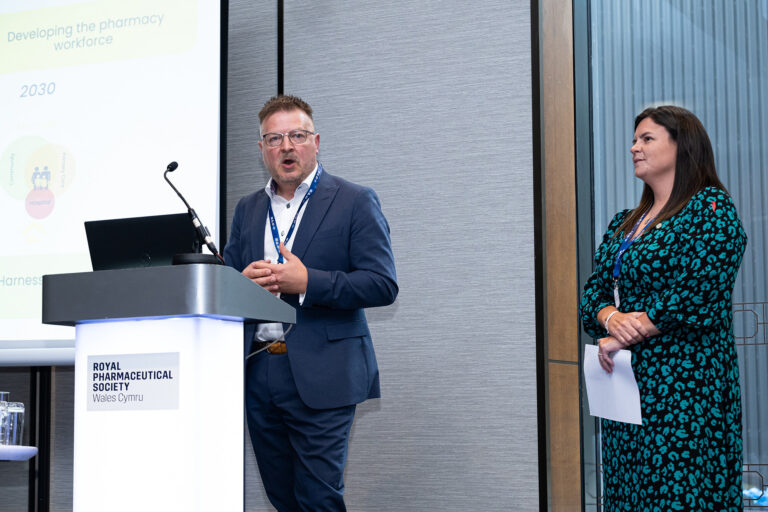
Next Steps for Pharmacy in Wales’ 2030 Vision announced at RPS Wales Conference
This news story was published when the organisation was the Royal Pharmaceutical Society. RPS Wales will once again take the lead in developing updated 3-year goals to help enable pharmacy in Wales to reach its 2030 vision, outlined in ‘Pharmacy: Delivering a Healthier Wales’ (PDaHW). The announcement was made by RPS Wales Director, Elen Jones, and Chair of the Welsh Pharmaceutical Committee Jonathan Simms at the recently held RPS Wales Conference. This iteration of PDaHW builds on the original 10-year plan, published in 2019 and the two series of stepping stone goals from 2019-2022 and 2022-2025. As well as the announcement on the next steps for the 2030 vision, the RPS Wales conference celebrated the significant advancements across pharmacy in Wales that PDaHW has helped push forward in recent years. It featured: Four presentations on the strategic developments undertaken by Digital Health and Care Wales, Health Education and Improvement Wales, the newly established NHS Wales Joint Commissioning Committee and an overview of the Transforming Access to Medicines (TRAMS) programme undertaken by the NHS Wales Shared Wales Services Partnership Eight quick-fire PDaHW Trailblazer talks from pharmacists and pharmacy technicians from all over Wales highlighted high quality and innovative practice aligned to the PDaHW vision. Commenting on the conference and the PDaHW announcement, Elen Jones said: “It was such a thrill to welcome nearly 200 members of pharmacy teams from all over Wales to our conference. I’d like to thank all the speakers who helped made the day such a success, especially to our inspiring PDaHW Trailblazers who all did an amazing job brining the 2030 vision to life”. “I’d like to thank the Welsh Government and the Welsh Pharmaceutical Committee for once again entrusting RPS to take this work forward. Like me, I’m sure everyone left the conference incredible proud to be pharmacists and pharmacy technicians working in Wales and inspired to move onto the next phase of our 2030 vision”. “Work on the new three-year goals will begin in early 2025. As always, we want to make sure the new goals reflect the views and ambitions of pharmacy teams in Wales. Therefore, we will be hosting a number of engagement events across Wales so that everyone has an opportunity to have their voice heard. Look out for dates and venues on your RPS member emails and on our RPS Wales social media”. Read more RCPharm news stories.