Royal College of Pharmacy in Scotland
We support, promote and lead the pharmacy profession across all sectors of pharmacy in Scotland.
The Royal College of Pharmacy is a GB-wide organisation, but there are significant differences in policy in Scotland, Wales and England. That’s why Scotland has its own National Pharmacy Advisory Council and RCPharm Scotland team: to ensure we understand and support all our members and the wider profession in Scotland.
Contact your RCPharm Regional Ambassador.
-

Collaborative Vision for Pharmacy Professional Leadership
This news story was published when the organisation was the Royal Pharmaceutical Society. The UK Pharmacy Professional Leadership Advisory Board (UKPPLAB) has launched a series of webinars during February so that pharmacists, pharmacy technicians and wider pharmacy team members can collaborate on a proposed vision and common purpose for pharmacy professional leadership. RPS is one of eight pharmacy professional leadership bodies, and specialist professional groups, along with independent expert members, that comprise the UKPPLAB. The webinars will take place ahead of a RPS member vote on proposed changes to its governance, including proposals to become a royal college; the Royal College of Pharmacy. The vision and common purpose engagement exercise is aligned with the extensive engagement RPS has already undertaken to inform and consult on its constitution and governance review, which included 15 in-person Roadshow events across Great Britain, open to pharmacists, foundation trainees and pharmaceutical scientists (whether members or not), and its own webinars including for students. There have also been wide-ranging discussions with stakeholders and organisations to explore and gain feedback on the RPS’ proposals for change. Though RPS is not hosting additional webinars as part of this initiative, RPS will be joining the three Advisory Board-led webinars in England, Scotland and Wales. RPS members can sign up to hear more about the UKPPLAB vision and common purpose work. RPS President Professor Claire Anderson said: “As the RPS representative on the UKPPLAB I very much welcome the Board’s approach to creating shared principles for effective and sustainable leadership. "Our extensive series of Roadshow events and discussions have already given RPS members (and non-members) an opportunity to come together and explore what professional leadership means for them, so we are not hosting an additional webinar. We have published a Roadshow Report on the outcome of our many conversations and I’m very grateful for the enthusiasm, insights and constructive feedback shared by everyone who attended the events. “The more we are aligned across the different bodies and groups, the stronger pharmacy professional leadership will become. Continued dialogue is vital as we seek to elevate pharmacy and champion our collective impact on patient care. “The UKPPLAB’s engagement exercise is a prime example of collaboration and an important signal of the collective commitment to co-create effective future pharmacy professional leadership. As a member of the Board, we firmly believe that by working together, the pharmacy can enhance its leadership capabilities and better serve the needs of its patients, professionals and the public." Join the webinars. Read more RCPharm news stories.
-

Polypharmacy featured on BBC’s Morning Live
This news story was published when the organisation was the Royal Pharmaceutical Society. RPS Fellow Steve Williams appeared on BBC1's Morning Live to discuss the challenges of polypharmacy — the use of multiple medicines by one person — and how to manage it effectively. Taking multiple medications increases the risk of side effects, interactions, and patients can have difficulties in taking them correctly. Steve shared how regular medication reviews help patients and healthcare professionals navigate these challenges. Our 'Repeat Prescribing Toolkit', developed with the Royal College of GPs, is aimed to help reduce polypharmacy and reduce medicines waste. It helps GP practices and pharmacies improve medication reviews, patient involvement, and access to medicines. Find out more here. Read our guidance on polypharmacy. Watch Steve’s interview: https://youtu.be/8zi-O1Tjo5o?si=iJ06Q8clcb8DNk-0 Read more RCPharm news stories.
-
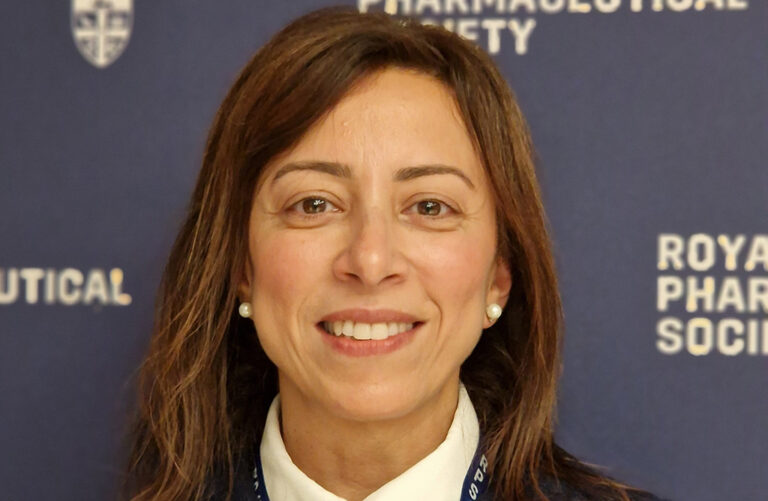
Professor Amira Guirguis appointed to Advisory Council on Misuse of Drugs
This news story was published when the organisation was the Royal Pharmaceutical Society. Professor Amira Guirguis, Chair of the Royal Pharmaceutical Society’s (RPS) Science and Research Committee and RPS Fellow, has been appointed to the prestigious Advisory Council on the Misuse of Drugs (ACMD). The Advisory Council is an independent expert body that advises government on the control of dangerous or otherwise harmful drugs, including their classification and scheduling under the Misuse of Drugs Act 1971 and its regulations. Paul Bennett, CEO of RPS, said: “We are delighted and very proud of Professor Guirguis’s appointment to the ACMD, which provides advice to government, carries out in-depth enquiries and influences drugs policy in the UK. “This appointment acknowledges her expertise, dedication and commitment to evidence-based science at the highest level. I’d like to offer my congratulations and wish her every success in this important role.” Find out more about the RPS Science and Research Committee More about the ACMD Read more RCPharm news stories
Our work in Scotland
Vision for the future of pharmacy
Pharmacy 2030: our vision for the future of pharmacy in Scotland.
Pharmacy best practice in Scotland
See how pharmacy teams in Scotland are demonstrating best practice.
Election manifesto for Scotland
Our asks of the next Scottish government.
How we work in Scotland
National Pharmacy Advisory Council
Meet the council for Scotland and find out how it works.
The Royal College of Pharmacy Scotland team
Supporting members and leading pharmacy in Scotland.
Our policy and advocacy work in Scotland
Find out more about the College’s Scottish policy and advocacy work.