
College backs stronger controls on vape packaging
Published: 2 October 2026
The Royal College of Pharmacy (RCPharm) is calling for tougher action to reduce the appeal of vaping and nicotine products to children and young people, while protecting their role in helping adults quit smoking.
Responding to the government’s consultation in England on the regulation of tobacco, vaping and nicotine products, RCPharm has backed stronger restrictions on product packaging, branding and design to help curb uptake of nicotine products by young people, including measures to prevent products from resembling toys, games or lifestyle accessories.
RCPharm states nicotine and vaping packaging should prioritise public health over consumer appeal. It highlights that whilst nicotine e-cigarettes can help people quit smoking, access to accurate advice and effective smoking cessation support must be maintained through community pharmacies.
The College is also calling for better product information so people can understand nicotine strength, ingredients and relative risk of harm.
The College does not support allowing community pharmacies to be exempt from restrictions on the display of non-medicinal vaping and nicotine products. It argues there is no direct evidence that product displays improve smoking cessation outcomes. It further states that pharmacies should maintain a clear distinction between their clinical role in providing evidence-based smoking cessation support, and the sale of non-medicinal nicotine products.
Professor Amira Guirguis, Chief Scientist at the Royal College of Pharmacy, said:
“We strongly support measures that reduce the appeal of vaping and nicotine products to consumers, particularly children and young people.
“Community pharmacies play a vital role in helping people to stop smoking and improve their health. Regulations should support that clinical role, help smokers make informed choices about smoking cessation products and ensure they are presented responsibly.”
Read our consultation response.
Related news

Call for evidence on facilitated self-selection of P medicines
This news story was published when the organisation was the Royal Pharmaceutical Society. We've published a call for evidence on the facilitated self-selection of P medicines following changes made by the regulator, the General Pharmaceutical Council (GPhC), enabling more pharmacies to adopt this practice. The call for evidence is open for eight weeks from 12 July – 06 September 2024 and is the outcome of the national Pharmacy Boards meeting in June, which discussed the current RPS position that "Pharmacy medicines must not be accessible to the public by self-selection", as stated in our guide Medicines, Ethics and Practice. The Call asks for submission of evidence of the benefits and harms of a facilitated self-selection model for P medicines in relation to patient care, and any evidence gaps with an explanation of areas where further research is required. RPS CEO Paul Bennett said: "Following changes brought by the GPhC focusing on an outcomes approach to standards, they have confirmed they no longer prohibit facilitated self-selection of P medicines. As a result, there are pharmacies that are now adopting a more flexible interpretation to providing this group of medicines. "The GPhC have stated that sale and supply of a P medicine must still take place in a registered pharmacy premises under the supervision of a pharmacist, and that appropritae measures should be in place to ensure that supervision continues. "The evidence base gathered through this exercise will inform a report by RPS Science and Research to enable us to consider our current position. As the professional body, we are committed to patient safety and the safe development of innovative practice to meet the needs of patients now and for the future. Please share the call for evidence with your networks." To inform the review, we want to hear from a wide range of pharmacists and pharmacy team members, patient representative bodies, employers, academics, think tanks, pharmacy representative bodies, regulators and other stakeholders and researchers. Please read and respond to the call for evidence.
As new campaign launches, RCPharm highlights rising abuse of community pharmacy teams
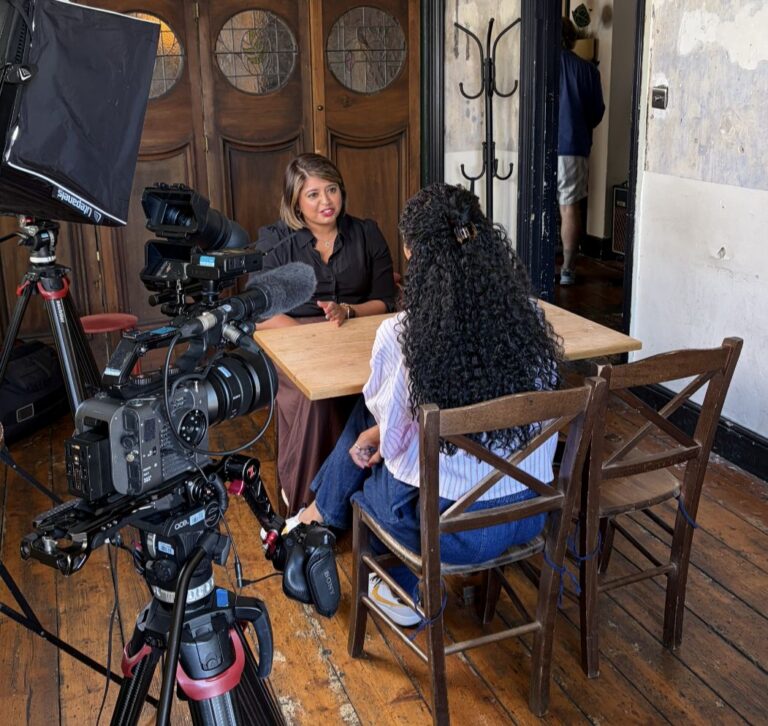
The Royal College of Pharmacy is backing a new NHS England campaign aimed at encouraging the public to treat pharmacy teams with respect and recognising the vital role they play in delivering care in local communities. Amandeep Doll, director for England, recently highlighted on BBC Morning Live the growing levels of abuse and aggression faced by community pharmacy teams across the country. During the interview, Amandeep explained how pressures across the wider health service, coupled with ongoing medicines shortages, can leave patients feeling frustrated. She described how pharmacy teams often bear the brunt of this, despite working hard to help people access the care and medicines they need, stressing that abuse towards pharmacy staff is never acceptable. Amandeep also highlighted the College’s call for the government to give pharmacists greater flexibility to make appropriate substitutions when prescribed medicines are unavailable, helping patients receive treatment more quickly and reducing unnecessary delays. The campaign is the first of the 2026/2027 Community Pharmacy Contract. Pharmacy owners must promote the campaign from 5–25 October, which can be done by displaying posters at the pharmacy or providing information on the pharmacy’s website or on its social media channels. Community pharmacy teams play an essential role in supporting patients and ensuring safe access to medicines. The College continues to call for measures to protect the wellbeing of the pharmacy workforce. Watch BBC Morning Live Experiencing abuse can be distressing. Contact our Professional Support line for confidential advice; The Pharmaceutical Journal has useful guidance on approaching difficult situations and challenging conversations; Download NHS posters to encourage patients to treat pharmacy teams with respect.