Enhanced credentialing pathway
RCPharm
Enhanced pharmacist curriculum
Published: 7 September 2026
Contents
- Foreword
- Authors
- Acknowledgements
- Key curriculum definitions
- Section 1 – Introduction
- Section 2 – Curriculum purpose
- Section 3 – The curriculum outcomes framework
- Section 4 – Education and training
- Section 5 – The credentialing assessment
- 5.1. Purpose of our credentialing assessment
- 5.2. Our programme assessment approach
- 5.3. What will the e-Portfolio include?
- 5.4. What is a supervised learning event (SLE)?
- 5.5. What SLEs will be available on the e-Portfolio?
- 5.6. What other evidence types can be used in addition to SLEs?
- 5.7. How should pharmacists receive high-quality feedback during the pathway?
- 5.8. Is there a requirement for reflective practice?
- 5.9. How does the final credentialing assessment work?
- 5.10. What are the evidence requirements for the credentialing assessment?
- 5.11. What are the curriculum outcome stakes ratings and what do they mean?
- 5.12. Assessment blueprint
- 5.13. How is prior certified learning recognised?
- 5.14. How is the final credentialing assessment quality assured?
- 5.15. How do we ensure the final credentialing assessment is inclusive and any potential bias is mitigated?
- Section 6 – Bibliography
Foreword
Pharmacy in the UK is entering a new era. From 2026, most newly qualified pharmacists will register as prescribers, while pharmacists across the existing workforce continue to expand their clinical and prescribing roles. This represents a defining moment for the profession and creates significant opportunities for pharmacists to improve access for patients and the public, optimise the use of medicines and deliver person-centred care across healthcare settings. Each of these critical roles will come together to support the reduction in inequalities in care and promote better health outcomes for people and communities.
Registration as a prescriber is an important milestone, but it is also the beginning of a pharmacist’s professional development journey. Confidence and professional judgement grow through experience, reflection, high-quality feedback and effective work-based support, continuing education and supervision. As pharmacists take on greater responsibility for increasingly complex care, they need a clear and consistent pathway that supports this transition and helps them develop their scope of practice safely and confidently.
The Royal College of Pharmacy Enhanced Pharmacist Curriculum provides that pathway. It defines a nationally recognised standard for enhanced pharmacist practice and creates a bridge between initial registration and advanced practice. Through structured workplace learning, pharmacists can develop their clinical and prescribing practice alongside their capabilities in leadership and management, education, research and evaluation. In doing so, the curriculum recognises that the pharmacists of the future must be not only competent prescribers, but professionals who can also support others, improve services and contribute to the development of patient-centred practice.
The curriculum is complemented by a credentialing pathway that enables pharmacists to demonstrate their capability through evidence drawn from their everyday work. Credentialing against nationally recognised standards through the Royal College provides pharmacists with recognition of their development, employers and healthcare partners with assurance, and patients and the public with confidence in the care pharmacists provide. It also establishes enhanced practice as a meaningful step within a coherent professional journey towards advanced and consultant practice.
This curriculum has been developed with the profession, not just for the profession. Pharmacists, employers, educators, early-career and student representatives, professional bodies and system leaders from across every sector and all four UK nations have contributed their knowledge, experience and aspirations. Importantly, multidisciplinary expertise and the patient voice were embedded within the steering group itself, ensuring that the curriculum was shaped not only by pharmacy, but by those who work alongside pharmacists and those who ultimately experience and depend upon their care. Wider consultation, an equality impact assessment and iterative review have allowed the voices of professionals and patients to further strengthen the curriculum and helped ensure that it is relevant, inclusive and applicable across the breadth of patient-focussed pharmacy practice.
The Royal College’s role has been to convene these different perspectives, build consensus and translate our shared ambition into a clear professional standard. We are enormously grateful to everyone who has contributed their time, expertise and constructive challenge. This collective effort has produced a curriculum that is built for the profession, by the profession, while remaining firmly grounded in the needs of people, communities and the wider healthcare system.
Publication of the curriculum is an important milestone, but it is only the beginning. Its success will depend on continued collaboration between pharmacists, employers, education providers, the Royal College and healthcare systems. Pharmacists will need access to meaningful workplace learning, effective support supervision, protected development time and opportunities to apply their learning in practice. Together, we must ensure that these conditions are available across all pharmacy sectors and across the UK.
The Enhanced Pharmacist Curriculum demonstrates what Royal College leadership looks like in practice: bringing the profession together to define what good looks like, supporting pharmacists throughout their careers and providing assurance that professional development translates into better and safer patient care. We look forward to working with the profession and our partners to embed this pathway and support the next generation of pharmacists to practise with confidence and purpose.
– Joseph Oakley, Associate Director for Assessment and Credentialing, Royal College of Pharmacy
– Professor Rikki Goddard-Fuller, Chair, Enhanced Curriculum Steering Group
Authors
Patsy Edwards, Assessment & Credentialing Lead
Rachel Lewis, Curriculum Development Manager
Joseph Oakley, Associate Director: Assessment & Credentialing
Acknowledgements
We would like to acknowledge the support of members of the enhanced curriculum steering and task and finish groups in helping to develop and review the enhanced curriculum. We would also like to thank members of the wider pharmacy community who took part in the consultation process.
Steering group members
| Name | Role |
| Ailsa Macdonald | Chair of RCPharm Foundation Pharmacist Assessment Panel (FPAP) |
| Alexa Wall | Principal Pharmaceutical Officer (Workforce Planning), Scottish Government |
| Amy Mundell | Senior Lead Clinical Pharmacist – Education and Training, The Newcastle upon Tyne Hospitals NHS Foundation Trust |
| Andrew Evans | Chief Pharmaceutical Officer, NHS Wales |
| Andrew Sturrock | Director of Pharmacy / Postgraduate Pharmacy Dean, Public Services Delivery Scotland |
| Anna Fay | Lead General Practice Pharmacist, Lisburn Federation |
| Cathy Harrison | Chief Pharmaceutical Officer, Health Northern Ireland |
| David Gibson | Pharmacy workforce, education and training regional lead, North East and Yorkshire School of Pharmacy and Medicines Optimisation |
| Emeka Onwudiwe | President, British Pharmaceutical Students Association |
| Ennis Shields | Governance and Services Support Pharmacist, Community Pharmacy NI |
| Graham Stretch | President, Primary Care Pharmacy Association |
| Janet Collins | Senior Programme Manager, General Pharmaceutical Council |
| John Warburton | Chair, UK Clinical Pharmacy Association |
| Kathryn Hodgson | Head of Post-Registration Foundation Practice (pharmacy), Health Education and Improvement Wales |
| Katie-Rose Stone | Advocate using Lived Experience, National Voices |
| Laura Byrne | Director of Pharmacy and Controlled Drugs Accountable Officer, NHS Forth Valley |
| Lisa Smith | Postgraduate Pharmacy Dean, Northern Ireland Centre for Pharmacy Learning and Development |
| Marc Donovan | Healthcare Development Director, Boots |
| Matt Barclay | Chief Executive Officer, Community Pharmacy Scotland |
| Matthew Shaw | Director, Centre for Pharmacy Postgraduate Education |
| Monjur Ali | Interim Head of Pharmacy and Controlled Drugs Accountable Officer, East Cheshire NHS Trust |
| Paula McLaren | Senior Nursing Advisor for Advanced Practice and Prescribing Portfolio Lead, Nursing and Midwifery Council |
| Rhian Carta | Head of Pharmacy and Workforce Development Lead, Prince Charles Hospital, Ysbyty Cwm Cynon and Ysbyty Cwm Rhondda |
| Richard Cattell | Deputy Chief Pharmaceutical Officer, NHS England |
| Rikki Goddard-Fuller | Steering Group Chair: Director, Christie Institute for Cancer Education and Honorary Consultant Stroke Physician |
| Sam Fisher | Deputy Director of Pharmacy, Cwm Taf Morgannwg University Health Board |
| Sue Hamshaw-Thomas | Pharmacy Education, Training and Workforce Development Manager, Sheffield Teaching Hospitals NHS Foundation Trust |
| Tim Rendell | Head of Pharmacy, Day-Lewis Pharmacy |
| William Swain | Associate Director for Clinical Education, UCL School of Phar |
Task and finish group members
| Name | Role |
| Adam Osprey | Head of Policy and Development, Community Pharmacy Scotland |
| Alison Davies | HEIW Course Director for Pharmacy GP Transition Programmes |
| Amy Mundell | Senior Lead Clinical Pharmacist – Education and Training, The Newcastle upon Tyne Hospitals NHS Foundation Trust |
| Claire McKeown | Senior Lead for the Post Registration Foundation Programme, NICPLD |
| Clare Smith | Lead Pharmacist, Learning Development, Centre for Pharmacy Postgraduate Education |
| Emma Llewellyn | Post-registration Foundation Programme Lead, Health Education and Improvement Wales |
| Erin Gilmour | Early Career Pharmacist representative Surgical and Intensive Care Pharmacist, NHS Lanarkshire |
| Esther Brownrigg | Clinical Pharmacy Development Lead, South Eastern Health & Social Care Trust |
| Ishaq Goga | Lead Clinical Pharmacist, the Brooke Surgery |
| Jennifer Guffie | Post-registration Pharmacy Lead, NHSE Workforce Training and Education |
| Jonathan Foster | Head of School, Post Registration Pharmacist Practice; Training Programme Director, Early Careers Pharmacist Practice, NHS England |
| Keith Holden | Associate Head of School (Postgraduate Programmes), University of Sunderland School of Pharmacy and Pharmaceutical Sciences |
| Leon Zlotos | Associate Postgraduate Pharmacy Dean, Public Services Delivery Scotland |
| Rebecca Teece | Healthcare Capability Manager – Pharmacy Programmes, Boots |
| Shafaan Hamid | Year 4 Pharmacy student representative |
Key curriculum definitions
Active prescriber
An active pharmacist prescriber consults with patients and makes prescribing decisions based on clinical assessment with sufficient frequency to maintain competence. They also reflect and audit prescribing practice to identify developmental needs.
Appropriate
An action that is evidence-based, safe, cost-effective and in keeping with the pharmacist’s clinical judgement, as well as the person’s situation and preferences.
Assessment
All activity aimed at judging a pharmacist’s demonstration of the curriculum learning outcomes, whether for summative (determining satisfactory progression for credentialing), or formative (developmental) purposes.
Blueprint
A matrix used to define the content of an assessment. This ensures the assessment covers all the outcomes defined by the curriculum.
Capabilities
High-level, complex professional capabilities are flexible and adaptive in a wide range of contexts and synthesise the knowledge, skills, behaviours and experience pharmacists need to manage real-life scenarios.
Collaborator
Any individual supporting pharmacists undertaking a credentialing pathway through giving feedback and a judgment on their performance e.g. a member of the team who contributes to multi-source feedback, a person who completes a patient survey or a more experienced healthcare professional who undertakes a supervised learning event.
Curriculum outcomes
Describe what is to be achieved by pharmacists undertaking the credentialing pathway; these describe the knowledge, skills, behaviours and experience of those who successfully complete the credential.
Curriculum outcomes framework
A matrix of the capabilities, outcomes and indicators of expected level of performance determined as necessary to deliver the curriculum purpose.
Credentialing committee
The educational governance committee responsible for the overarching quality assurance of all Royal College of Pharmacy credentialing assessments and activity.
Credential
An award recognising successful completion of the credentialing assessment at the relevant level of practice.
Curriculum
A statement of the intended aims and objectives, content, experiences, outcomes and processes of a credentialing pathway, including a description of the structure and expected methods of learning, teaching, assessment, feedback and supervision.
Domain
A collection of commonly-themed capabilities and outcomes.
Enhanced credentialing assessor
A trained individual responsible for assessment of a submitted e-Portfolio against the assessment criteria and in line with the credentialing strategy for the relevant level of practice.
Enhanced Pharmacist
A pharmacist who is actively prescribing and has successfully credentialed against all five domains of the RCPharm enhanced curriculum.
Equality Impact Assessment (EQIA)
A systematic and evidence-based tool, which enables us to consider the likely impact of work on different groups of people.
Experience (breadth of)
When a pharmacist has had enough experience to be able to practise at the expected level of performance. This is not linked to a quantitative measure rather when the pharmacist has demonstrated and evidenced the curriculum outcomes for the relevant level of practice.
Final decisions
The final credentialing decision based on numerous data points reviewed holistically by an enhanced credentialing assessor. The outcome of this decision will inform whether an individual has satisfactorily met the curriculum outcomes and can be credentialed.
GPhC standards for the initial training and education of pharmacists (2021)
The standards for the initial education and training of pharmacists, including during foundation year training.
Indicator of expected level of performance
A clarifying statement or example of the expected level and breadth of performance required to demonstrate the curriculum outcomes.
Intersectionality
The interconnected nature of social categorisations such as race, class, and gender, regarded as creating overlapping and interdependent systems of discrimination or disadvantage.
Patient-focussed roles
Roles that have a direct impact on individual patients and/or patient populations although this may not involve regular direct patient-facing contact.
Patient
Person receiving care, including the seeking of advice.
Person
The curriculum includes the term person-centred and refers to person / people throughout. This means ‘the person receiving care’. The term may also apply to the person’s carers, family or representatives depending on the situation.
Prescribing
The initiation, amendment and stopping (deprescribing) of medicines within the prescriber’s scope of practice.
Programme of assessment
The set of assessments planned to assess the curriculum outcomes leading to credentialing. The synthesis of these individual assessments into a programme allows for integrated judgments of a pharmacist’s performance.
Quality assurance
The standards, systems and processes in place to maintain and enhance assessment quality to assure patients and the public that pharmacists meet the required standards.
Quality control
The Royal College of Pharmacy has a role in quality control in terms of ensuring national curricula and assessments are consistently developed and delivered in line with the Royal College of Pharmacy curriculum quality standards.
Scope of practice
The range of roles, responsibilities, and activities that a healthcare professional is educated, trained, competent, and authorised to perform, within the limits of their knowledge, skills, experience, and professional accountability.
Supervised Learning Event (SLE)
An observed activity undertaken in a real or simulated practice setting, supported by structured feedback. SLEs are primarily formative and are designed to support learning, reflection, and evidence generation.
Section 1 – Introduction
1.1. Executive summary
From 2026, most newly qualified pharmacists in the UK will register as prescribers, marking a significant shift towards pharmacy becoming a prescribing profession. This change, alongside rising numbers of existing pharmacist prescribers, is reshaping pharmacists’ roles across all healthcare settings.
The Royal College of Pharmacy (RCPharm) enhanced curriculum has been developed to ensure early post-registration development pathways remain fit for purpose. Aligned to the RCPharm advanced and consultant curricula and the four-pillar multiprofessional workforce framework, it supports pharmacists in patient-focussed roles to develop towards enhanced level practice, providing a structured transition to practising with greater autonomy and confidence as prescribing pharmacists.
Acting as a stepping stone to advanced practice, the curriculum supports the structured development of a pharmacist’s scope of practice in their early prescribing career, alongside leadership and management, education, and research and evaluation capabilities. It also provides assurance for employers and the wider healthcare system, alongside enabling public confidence as pharmacists deliver increasingly complex clinical care.
The enhanced pharmacist curriculum is open to all pharmacists practising in patient-focussed roles. Membership of the RCPharm is not a requirement to access the curriculum, engage in a credentialing pathway, or take the end-point credentialing assessment.
1.2. How can different stakeholders use this document?
Pharmacists working towards enhanced credentialing can monitor their progress towards achieving the curriculum outcomes, ensuring they are gaining the appropriate learning, training, and experience. This will contribute to appraisal, self-assessment, self-directed learning, and formative and summative assessment against the curriculum outcomes.
Educational and practice supervisors can support pharmacists undertaking the pathway in their development of the appropriate skills, knowledge and behaviours, and to access the appropriate experiences to gain these. They can use the curriculum to verify that they are providing learning, support, and guidance in the appropriate areas of practice.
Training providers will be able to design structured learning programmes to meet the curriculum outcomes and ensure education provision maps to the curriculum.
Employers will be able to use the curriculum to support professional and personal development plans for employees’ development as well as to understand the level of practice for enhanced pharmacists. They can also use achievement of the credential as objective assurance of the capability of individuals and employees to practise at an enhanced level.
Service planners and commissioners can refer to the curriculum to understand the capabilities of the enhanced pharmacist workforce when developing and commissioning services.
Patients and the public will be able to see the standard required for pharmacists to practise and be credentialed at an enhanced level.
Assessors and collaborators will be able to refer to the curriculum outcomes and descriptors to support and standardise assessment activities and judgments.
1.3. What are the proposed roles and responsibilities of different stakeholders in this curriculum?
The GPhC & PSNI
- Set the regulatory standards for pharmacy professionals in Great Britain and Northern Ireland respectively.
The four UK governments and their related organisations
- Identify and prioritise strategic, system, service or workforce needs including, through their respective educational organisations or functions, the funding, planning, commissioning and quality management of training programmes aligned to the curriculum.
Governmental education bodies/functions
- Commission and/or provide elements of training programmes to meet the curriculum outcomes.
- Quality assure the provision of commissioned training programmes.
The Royal College of Pharmacy
- Collaboratively designs and develops the RCPharm enhanced curriculum, including its credentialing assessment, in line with the standards articulated in the RCPharm curriculum quality framework.
- Maintains, monitors and evaluates the RCPharm enhanced curriculum, including its programme of assessment.
- Administers and quality assures a credentialing assessment against the enhanced curriculum outcomes and awards the enhanced pharmacist credential.
Higher education institutions/ education and training providers
- Provide training programmes to meet relevant elements of the curriculum, which may include support with supervision and the completion of SLEs.
Employers
- Implement work-based learning at a local level.
- Provide educational and/or practice supervision to learners in practice.
- Provide workplace collaborators to undertake SLEs in the workplace.
- Provide protected learning time for candidates and supervisors.
- Provide quality control and participate in quality management of education and training.
1.4. How was this curriculum developed and how will it be governed?
The enhanced curriculum was developed in line with the RCPharm quality framework.
The capabilities, outcomes, and indicators of expected level of performance in this curriculum were developed collaboratively with stakeholders from different sectors of pharmacy across the UK. They describe the expected level of practice of entry-level enhanced pharmacists, bridging the gap between the GPhC standards for the initial training and education of pharmacists (2021) for the foundation training year, and the core advanced pharmacist curriculum.
The curriculum steering group agreed the purpose of the enhanced curriculum and oversaw the work of the curriculum task and finish group. Both groups were comprised of a wide range of stakeholders from across the profession to ensure the resulting curriculum was inclusive of and relevant to different sectors of pharmacy and UK geographies.
The steering group was chaired by Professor Rikki Goddard Fuller, an internationally-recognised clinical educationalist. Membership of the steering group included strategic pharmacy representation from across the UK, including academia and a patient representative. The task and finish group consisted of pharmacy educational specialists and pharmacy sector representatives from across the UK, as well as early career and student pharmacist representation.
An equality, diversity and inclusion group was convened to support an EQIA on the curriculum with the curriculum content also undergoing two phases of iterative consultation during the development period.
The curriculum will be governed through the RCPharm educational governance structure, ultimately reporting to the RCPharm Senate.
Section 2 – Curriculum purpose
2.1. A once-in-a-lifetime transformation in pharmacy practice
From 2026, most newly qualified pharmacists in the UK will be prescribers at point of registration, making pharmacists the first non-medical/non dental healthcare professionals entering practice as prescribers with a Level 7/SCQF Level 11 qualification. This change is mirrored by a record number of pharmacists in the current workforce also undertaking independent prescribing qualifications. Together, these developments mark a major step towards pharmacy becoming a prescribing profession.
Healthcare policy across the UK is changing to reflect this shift, with pharmacists expected to deliver more clinical services involving direct clinical patient care across community, primary care, and secondary care settings. As pharmacists take on expanded clinical and prescribing responsibilities, there is a clear need to ensure post-registration development pathways remain relevant, robust, and fit for purpose, to support the profession to meet these new professional expectations with confidence.
To support this, the Post-Registration Foundation curriculum has been revised. The updated curriculum, renamed the Enhanced curriculum, will ultimately replace the legacy Post-Registration Foundation curriculum.
2.2. Who is this curriculum designed for?
The enhanced curriculum provides a structured framework to support pharmacists working in patient-focussed roles to develop towards enhanced level practice.
This means it is designed for pharmacists:
- Practising at a pre-advanced level.
- Working in roles involving direct clinical care to individual patients and/or patient populations.
- Actively make prescribing decisions as part of their practice.
The curriculum is designed to support new pharmacist prescribers in their transition to practising without the direct support of a Designated Supervisor (DS) and/or Designated Prescribing Practitioner (DPP).
For clarity:
- Pharmacists do not need to be prescribers to begin engaging with the enhanced curriculum or building evidence.
- Pharmacists must be registered prescribers, with evidence of prescribing-related clinical activity, at the point of enhanced credentialing.
2.3. What is enhanced level practice?
Enhanced practice:
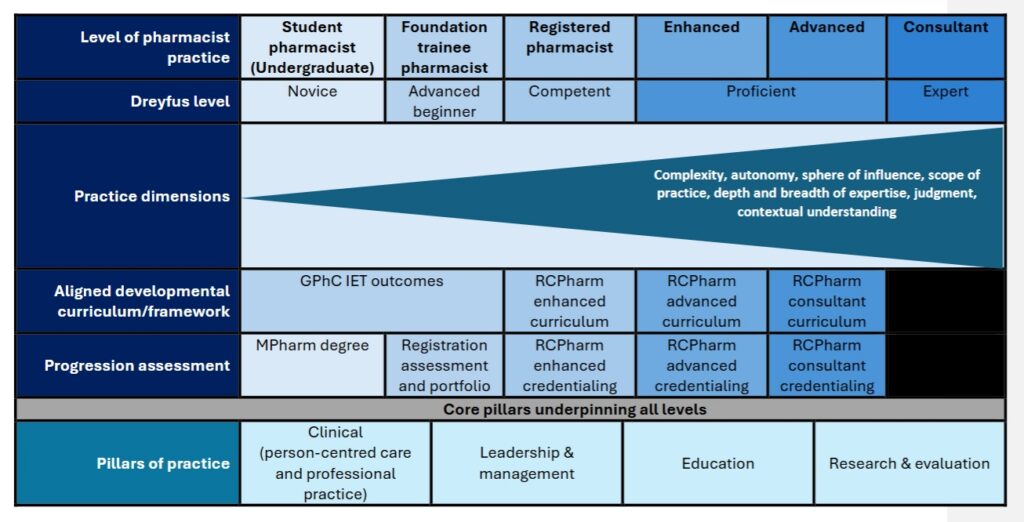
- Builds on the competence and level of practice demonstrated on registration as a prescribing pharmacist;
- Acts as a stepping stone towards advanced practice; and
- Aligns with the early stages of proficiency in the Dreyfus model.
This aligns with the multiprofessional definition of enhanced practice as:
“A level of practice evident in the healthcare workforce. It is delivered by experienced, often registered professionals who practice with autonomy and independently. They do complex work and manage day to day risk, including risks on behalf of, or with patients.” 1
Pharmacists working at an enhanced level:
- grasp more complex situations,
- adapt more readily to changing circumstances,
- rely increasingly on experience-based judgement, rather than solely following rules and protocols,
- work across the four pillars of practice.
In a pharmacy clinical context, this means pharmacists can:
- Make more autonomous decisions about the safe and effective use of medicines within their individual scope of practice.
- Manage more complex clinical situations with confidence, using experience to guide their approach.
- Move from following rules and protocols about the safe and effective use of medicines to appraising situations using a more person-centred, holistic approach.
- Assess, manage and mitigate clinical risk appropriately.
Pharmacists practising at an enhanced level also demonstrate more developed capabilities across:
- Leadership and management
- Education
- Research and evaluation
These capabilities enable pharmacists to lead change, improve services, and influence practice beyond individual clinical encounters.
In summary, an enhanced pharmacist:
- Communicates information effectively and with confidence, tailoring approach to meet people’s needs.
- Takes a holistic, inclusive and person-centred approach to consultations.
- Collaborates with and supports the wider pharmacy and health and social care team to promote safe and effective care.
- Competently and confidently applies clinical knowledge and skills in practice.
- Critically evaluates relevant information to inform decision making, managing uncertainty and risk appropriately.
- Practises professionally within limits of own competence and scope of practice, referring or signposting appropriately.
- Leads the safe and effective use of medicines in their practice setting, proactively driving practice improvements.
- Demonstrates emotional intelligence, resilience, adaptability and professionalism under pressure.
- Develops their practice by identifying learning opportunities and reflecting on feedback.
- Supports the education and development of colleagues.
- Understands best practice in relation to research and evaluation activities and critically evaluates the evidence base to inform practice.
- Leads audit and/or contributes to quality improvement, service evaluation, or research activities and communicates findings effectively.
To support this, the enhanced curriculum mirrors the five-domain structure of the advanced and consultant curricula (Figure 1). This creates a coherent post-registration career pathway and aligns pharmacy with the four-pillar multiprofessional workforce model used across UK healthcare professions (Figure 2).
Figure 1 – RCPharm post-registration curriculum domains
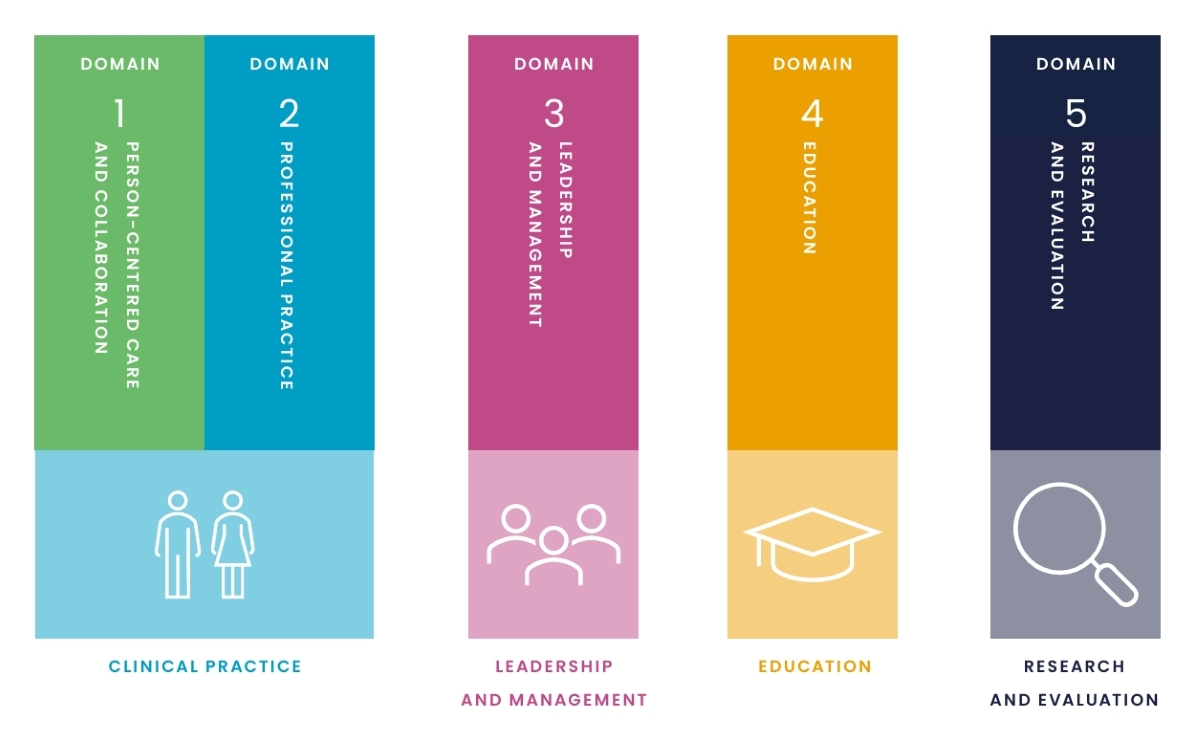
Figure 2 – Patient-focussed pharmacist development pathway
2.4. What is the value of the enhanced curriculum and credentialing?
The enhanced curriculum and the enhanced credential are designed to deliver the following value for system stakeholders:
| Pharmacists Developing confident and reflective professionals | • Provides scaffolding for pharmacists to safely develop their clinical scope of practice, including prescribing, and practise with confidence. • Supports development of non-clinical capabilities to build future pharmacists who are leaders, educators, and researchers. • Builds ability to compile a high-quality professional portfolio of practice and develop effective reflective skills. • Allows pharmacists to demonstrate their real-life practice using workplace-based learning and/or credit-bearing academic approaches. • Offers flexible approaches to validating their enhanced level of practice, with modular micro-credentials in the clinical and non-clinical domains as well as a full enhanced credential. |
| Employers Supporting employers to develop and assure their new prescribing pharmacist workforce | • Provides a structure for employers to support and develop the early (prescribing) practice of their employees, including clinical and non-clinical capabilities, offering a clear career pathway. • Supports employers to demonstrate meeting pharmacy regulator standards for Chief Pharmacists and Superintendent Pharmacists by providing a robust workforce development and assurance model. • Gives access to an e-Portfolio for recording pharmacists’ (prescribing) practice for audit and assurance purposes. • Offers assurance of employee capability against a national benchmark, with flexible modular credentials in the clinical and non-clinical domains as well as a full enhanced credential. |
| Multi-disciplinary team (MDT) & wider healthcare system Integrating new pharmacist prescribers into the wider healthcare team | • Aligns pharmacy to the multidisciplinary team; the curriculum is structured against the four-pillar model of advanced practice and the standard aligns with the multiprofessional definition of enhanced practice in England. • Ensures all pharmacists working at an enhanced level, regardless of sector, share a common set of capabilities across five core domains of practice, promoting workforce mobility and mutual recognition across different healthcare settings. • Encourages pharmacists to engage with other healthcare professionals and patients to gain feedback and corroborate their practice through their portfolio evidence. |
| Patients & the public Building confidence in the profession | • Provides patients and the public with the assurance that pharmacists are expanding their scope of practice in a safe and structured way, giving them confidence in the ability of the profession to deliver more complex care as they develop professionally. |
Section 3 – The curriculum outcomes framework
The curriculum is structured around 12 core capabilities that define the key clinical and professional components of enhanced pharmacist practice. Each capability integrates a set of curriculum outcomes describing the knowledge, skills, and behaviours expected of an entry-level enhanced pharmacist.
Each curriculum outcome is supported by a series of indicators, which outline the expected level and scope of performance required to demonstrate the curriculum outcome. Learners are not required to provide evidence for every individual indicator; their evidence, however, should collectively reflect the full breadth and depth of the curriculum outcome. The indicators are illustrative rather than exhaustive, and alternative forms of evidence may be used where appropriate to demonstrate achievement.
The capabilities and their associated curriculum outcomes are organised into five overarching domains. These domains align with all RCPharm post-registration curricula, supporting a continuous development pathway from enhanced to advanced and consultant-level practice.
3.1. Capabilities, outcomes and indicators
Domain 1: Person-centred care and collaboration
An enhanced pharmacist:
C1: Communicates information effectively and with confidence, tailoring approach to meet people’s needs.
C2: Takes a holistic, inclusive and person-centred approach to consultations.
C3: Collaborates with and supports the wider pharmacy and health and social care team to promote safe and effective care.
To demonstrate entry-level enhanced practice in this domain, pharmacists must provide evidence from real-life practice demonstrating the following six curriculum outcomes:
| Curriculum outcome | Indicators of expected level of performance | |
|---|---|---|
| 1.1 | Communicates effectively with people receiving care, their carers or advocates, and colleagues | a) Communicates information including about medicines and their use with confidence to people receiving care, their carers or advocates and other healthcare professionals to support safe and effective care. b) Considers the advantages and limitations of different formats of communication for different purposes. Tailors their communication approach to the needs of the recipient(s) using both face-to-face and remote methods (e.g. speech and hearing problems, and different languages, cultures and levels of health and IT literacy). c) Tailors the style, amount, frequency, and content of information to the person to support informed shared decision making relating to the safe and effective use of medicines. d) Enhances health literacy in people from a range of backgrounds by providing tailored information, signposting to relevant information sources, and checking understanding as appropriate. e) Manages challenging communication situations where it is difficult to communicate effectively (e.g. noisy or distressing environments, when using PPE, language barriers, situations involving conflict or with people who are anxious, angry or confused). |
| 1.2 | Demonstrates effective consultation skills, exploring the physical, psychosocial and medication history for that person, remaining open to what a person might share | a) Uses a consultation style and structure, informed by recognised consultation models and frameworks, that can be adapted to the person’s needs, and that explores the person’s lifestyle, ideas, concerns, expectations and feelings. b) Uses a range of question types and active listening skills, including recognising and responding to verbal and nonverbal cues, to engage people, ensure they feel valued, and gather information effectively to support shared decision making. c) Explores relevant physical, psychosocial and medicines history, and responds appropriately. d) Explores the person’s/carer’s/advocate’s understanding of the consultation and checks they are satisfied with what has been agreed/recommended and addresses any concerns raised. e) Manages the expectations of the patient and/or advocate that a prescription is always required and encourages self-care where appropriate. f) Recognises and manages the challenges associated with gaining information via patient representatives when patients cannot represent themselves. g) Recognises and manages the physical and psychological impact of any health concern(s), and prescribing decisions on the person and, where applicable, their carers or advocates. |
| 1.3 | Adopts a holistic and inclusive approach in consultations and shared decision-making to optimise the safe and effective use of medicines and patient care | a) Respects people’s ideas, feelings and beliefs (including religious, cultural and ethical beliefs) without judgement, understanding the impact these may have on shared decision making and prescribing. b) Listens to the person/carer/advocate to help build a rapport with them. Works in partnership with them to negotiate and agree a mutually acceptable personalised management plan that respects their values, beliefs, culture, ethnicity, preferences, health literacy and lived experiences. c) Develops a management plan with the person and/or carer(s) that clearly outlines the anticipated benefits and risks, along with defined monitoring parameters, including appropriate frequency and timescales. d) Reviews and adapts the management plan in response to ongoing monitoring, changes in the person’s condition, and their preferences. Checks the person’s/carer’s understanding and that they are satisfied with the management plan. e) Uses patient decision aids, where appropriate, to support shared decision making and ensures people/carers/advocates have appropriate information about their medicines and management plan. f) Respects decisions made by a person with capacity about their medicines, health and care. Where unsure about a person’s capacity to be involved in shared decision making, seeks advice from other healthcare professionals and follows best practice in applying relevant legislation and/or local procedures. g) Reviews all medicines, considering ongoing need for medicines, response to treatment, medication adherence, evidence-based prescribing, adverse effects, cost-effectiveness and up to date information about medicines (e.g. availability, pack sizes, storage conditions, excipients, costs). Also considers wider determinants of health e.g. social care, domestic situation and environmental factors. h) Considers and discusses the environmental impact of prescribing recommendations and reaches a shared decision with the person (e.g. the carbon footprint of inhalers or the likelihood of a medicine being used as intended). i) Takes steps to address health inequalities within sphere of influence, considering the impact of local demographics, ethnic and cultural diversity when tailoring person-centred care. j) Makes prescribing and/or deprescribing decisions informed by the clinical needs, goals and values of the person. k) Reflects on how own biases, values, attitudes and ethics might influence professional behaviours and approach. |
| 1.4 | Supports and facilitates continuity of care for each person, including by making prescribing decision | a) Provides continuity of care, including through making prescribing decisions, and/or by taking other appropriate action. b) Considers the person’s health concerns, social situation, and potential emerging issues. c) Uses a structured approach to document accurate, legible and contemporaneous clinical records; uses NHS-assured digital systems for transferring information securely. d) Agrees appropriate monitoring and follow-up arrangements with the person/carer/advocate and/or health and social care colleagues to support the safe and effective use of medicines, trying to always promote patient autonomy. e) Ensures the person/carer/advocate knows what to do if they have any concerns about the management of their condition e.g. if their condition deteriorates, if they experience adverse effects from treatment, or if there is no improvement within an agreed timeframe. f) Supports prompt, accurate and complete information sharing and collaboration with the relevant health and social care teams to ensure an effective transition between healthcare professionals and care settings. |
| 1.5 | Supports members of the healthcare team in the safe and effective use of medicines to meet the individual needs of those receiving care | a) Provides advice to other healthcare professionals, both within and outside of the immediate pharmacy team, to support the safe and effective use of medicines. b) Adapts practice and approach to work effectively, sensitively, and respectfully with other healthcare professionals. c) Anticipates and identifies issues that may arise with people or medicine supply. Proactively collaborates with others across the wider healthcare system to resolve and ensure seamless patient care, including appropriately managing medicines shortages or formulation changes. |
| 1.6 | Positively influences patient care by building strong working relationships with other professionals across the care pathway, both within the pharmacy team and across other health and social care professions | a) Actively seeks and/or responds to opportunities to collaborate with others across the care pathway to ensure consistency in the safe and effective use and prescribing of medicines. b) Uses professional knowledge to negotiate with, and influence, others in the health and social care team, working in partnership to ensure safe and effective prescribing and patient care. c) Respects, and is receptive to, the views and advice of other pharmacy and health and social care professionals, working collaboratively and recognising and valuing diversity within the pharmacy and wider health and social team. d) Reflects on positive and challenging aspects of collaborating with others; acts on this reflection to enhance future collaborative approach. |
Domain 2: Professional practice
An enhanced pharmacist:
C4: Competently and confidently applies clinical knowledge and skills in practice.
C5: Critically evaluates relevant information to inform decision making, managing uncertainty and risk appropriately.
C6: Practises professionally within limits of own competence and scope of practice, referring or signposting appropriately.
To demonstrate entry-level enhanced practice in this domain, pharmacists must provide evidence from real-life practice demonstrating the following six curriculum outcomes.
| Curriculum outcome | Indicators of expected level of performance | |
|---|---|---|
| 2.1 | Competently and confidently uses clinical judgment to make evidence-informed decisions that support safe prescribing and the delivery of care to individuals | a) Applies clinical knowledge and skills to identify, prioritise and optimise pharmacological and nonpharmacological management. b) Demonstrates critical thinking by analysing and applying information from multiple sources including the evidence base, local/regional/national guidelines, policies, and formularies. c) Tailors approach to account for the condition(s) being treated in terms of natural progression, severity, deterioration, and anticipated response to treatment. d) Considers relevant patient factors (e.g. age, pregnancy, breastfeeding, co-morbidities, ability to swallow, religion, ethnicity, social support) and the potential impact on the choice, route of administration, formulation of medicines and adherence. e) Considers the application of innovative healthcare technologies including genomic medicine, artificial intelligence, and advanced therapeutic medicinal products to promote the effective use of medicines and to improve patient care. f) Engages in self-reflection to evaluate approaches to developing professional confidence. |
| 2.2 | Undertakes and/or requests relevant examinations and investigations; interprets findings to support clinical decision making, i.e. assessment, diagnosis, monitoring and management | a) Demonstrates clinical reasoning by gathering focused information from clinical examinations and investigations relevant to the person’s care and according to the presenting situation. b) Accesses and interprets all available and relevant patient records to understand the person’s management to date. c) Understands the significance of clinical findings and results and acts on these as appropriate and in a timely manner. d) Applies clinical decision-making tools appropriately e.g. algorithms and risk calculators. e) Formulates appropriate differential diagnoses and applies clinical judgement to arrive at or confirm a working diagnosis, where appropriate. f) Undertakes appropriate physical and/or clinical assessments to inform medicines optimisation, clinical decision-making, and safe patient management within scope of practice. |
| 2.3 | Critically evaluates information and clinical guidance to make safe and evidence-informed prescribing decisions and recommendations for individuals and/or populations, effectively managing uncertainty and balancing risks | a) Uses critical appraisal skills to interpret evidence and information and considers its validity and usefulness in a particular context. b) Uses clinical reasoning and professional judgement to decide when to apply the evidence base to clinical decision making and when to challenge its use. c) Uses appropriate information sources to answer medicines-related and clinical enquires from people, carers or advocates, and other healthcare professionals. d) Determines the patient’s attitude to risk and discusses risks and benefits at the appropriate level, as part of the shared decision-making process. e) Uses safety netting to ensure systems are in place to provide safe monitoring and follow up; provides and documents the specific advice given to the person and considers written information to reinforce verbal advice. f) Considers use of unlicensed, off-label medicines outside standard practice only when satisfied that an alternative licensed medicine would not meet the person’s needs. |
| 2.4 | Ensures the cost-effective usage and appropriate stewardship of medicines | a) Undertakes medication reviews to maximise safe and cost-effective prescribing, minimising overprescribing. b) Contributes to the reduction of avoidable medicines waste and otherwise negative environmental impacts of medicines use, and promotes safe, cost-effective prescribing practices that optimise patient outcomes and resource use. c) Applies clinical knowledge and professional judgment to ensure medicines and devices are prescribed and/or supplied in a manner that is safe, evidence-based, and cost-effective. d) Ensures prescribing decisions are aligned to relevant local and national guidance on medicines stewardship e.g. to improve antimicrobial stewardship, support substance misuse services. |
| 2.5 | Demonstrates professionalism, integrity, and accountability, acting within legal and ethical frameworks and taking responsibility for own decisions | a) Considers the risks and consequences of decisions which may impact on the immediate or follow-up care of a person or group of people across the patient journey. b) Engages in a reflective process that encourages scrutiny of professional behaviour, is open to feedback, and demonstrates a willingness to change. c) Justifies and documents deviation from guidelines and policy as appropriate. d) Acts in an open, honest and transparent way with people, carers, families and members of the health and social care team, when safety has (or potentially has) been compromised. e) Apologises for errors and takes steps to minimise impact and prevent further incidents, reporting incidents/near misses as per organisational policy and challenging poor practice. f) Documents and discusses incidents/near misses with appropriate colleague(s) to improve practice in the future. g) Understands and effectively implements relevant safeguarding procedures, including local and national guidance in relation to each person. h) Recognises and deals with external factors that might unduly influence prescribing (e.g. media, people and colleagues). i) Works within relevant codes of conduct, always keeping patients and the public at the centre of decision making, when interacting or working with pharmaceutical industry partners. |
| 2.6 | Practises within the limits of own competence; seeks support when needed, signposting and/or referring to other professionals across the care pathway when appropriate | a) Defines and articulates the limits of own competence and professional scope of practice. b) Knows when and how to use local escalation policies; asks for help and advice in a timely manner or refers to more appropriate colleague(s). c) Manages situations where care is needed out of hours and signposts patients to an appropriate care provider or enable the necessary arrangements e.g. when the GP practice is closed, an on-call service, palliative care service, out of hours services. d) Refers appropriately to members of the pharmacy and wider healthcare team and services across the care pathway when outside of own professional scope of practice or remit; signposts people to others where appropriate. |
Domain 3: Leadership & management
An enhanced pharmacist:
C7: Leads the safe and effective use of medicines in their practice setting, proactively driving practice improvements.
C8: Demonstrates emotional intelligence, resilience, adaptability and professionalism under pressure.
To demonstrate entry-level enhanced practice in this domain, pharmacists must provide evidence from real-life practice demonstrating the following four curriculum outcomes:
| Curriculum outcome | Indicators of expected level of performance | |
|---|---|---|
| 3.1 | Role models clinical and professional leadership qualities in their practice setting | a) Provides clinical and professional leadership through effective role-modelling, always demonstrating professional integrity. b) Articulates own professional values, beliefs and principles, understanding how they may differ to those of other people and groups. c) Supports less experienced colleagues and/or students to develop professional values and behaviours. d) Is adaptive and flexible in approach to always ensure the safe and effective use of medicines in the pharmacy setting e.g. by acting as the responsible pharmacist or equivalent activities. e) Communicates expectations clearly and delegates tasks appropriately, empowering colleagues whilst always maintaining patient safety through adequate oversight. f) Manages challenge, conflict and difficult situations in a professional manner, encouraging a solutions-focussed approach that always places the patient at its centre. g) Contributes to creating an inclusive and healthy workplace culture where everyone feels respected and valued and good physical and mental health is promoted. h) Is curious about approaches used in other pharmacy sectors and in other professions; reflects on this learning to inform own approach. |
| 3.2 | Identifies and escalates risks and issues relating to patient safety and care; mitigates and resolves these where appropriate | a) Proactively reviews processes, systems and practice to improve standards of patient safety, support safe prescribing, and minimise risk. b) Undertakes self-audit related to professional and prescribing practices. c) Reflects on service user feedback and complaints to identify actions to improve patient care. d) Uses tools such as significant event analysis, applying human factors and/or root cause analysis to investigate prescribing errors, near misses or critical incidents; e) Takes action to mitigate and/or resolve any risks or issues identified by developing and implementing strategies to avoid and reduce recurrence of medication errors and monitoring the impact of any changes on patient safety. f) Follows procedures for safe working within the pharmacy and/or service and knows how to escalate if they identify unsafe practice or risks to patient safety. g) Raises and escalates concerns in line with organisational policies and is confident to constructively challenge others (including more senior healthcare professionals) where there is an issue with patient safety and/or the quality of care. h) Proactively involved in patient safety activities e.g. responding to safety alerts, reporting adverse events (e.g. Yellow Card reporting). i) Supports the consistent, constructive and fair evaluation of the actions of staff involved in patient safety incidents. |
| 3.3 | Leads initiatives to improve working practices and patient care | a) Uses available information, data and evidence to identify where there is opportunity to improve existing or develop new processes and/or services. b) Proactively develops new solutions or approaches to working practices to improve patient experience, safety and/or deliver efficiencies. c) Contributes constructively and collaboratively to developing new services in response to local, national or global strategy, changing population health needs, or organisational objectives and future direction, placing patient safety and optimal use of medicines at the centre of any changes. d) Appropriately influences and challenges others to consider change to improve processes, services and the quality of care. e) Communicates why change will result in positive outcome(s) to gain support and buy in from colleagues. f) Creates a supportive environment which encourages team members to contribute ideas and solutions to improve services, engage in decision making and achieve organisational goals; respects and values team members’ contributions. g) Evaluates impact of change and whether it has delivered the expected benefits for patients and services. |
| 3.4 | Demonstrates self- awareness and emotional intelligence, maintaining composure and resilience under pressure | a) Reflects on own personality, emotions, biases, preferences and prejudices; explores how these may affect own behaviour, decision making, working relationships within the practice setting and the delivery of patient care. b) Anticipates and manages the factors in work, home and the wider environment that influence day to day performance and wellbeing, including ability to perform under pressure. c) Manages a diverse workload effectively whilst maintaining quality and a person-centred approach. d) Demonstrates awareness of other people’s workload within pharmacy and the multidisciplinary team; assists appropriately and within limits of own competence. e) Achieves deadlines for day to day and longer-term tasks through effective time management, hand-over, prioritisation and delegation skills, adapting approach in response to demand and capacity. f) Remains productive in uncertain and unpredictable circumstances by changing pace and direction of work, adapting plans and developing new systems and processes to support a logical and calm approach. g) Uses personal strategies (e.g. reflection, debriefing, peer or MDT support, engaging with more formal support) to minimise the impact of challenging situations, especially when own behaviours risk impacting on patient safety and delivery of care. h) Develops a ‘growth mindset’, remaining open to learning from setbacks and developmental feedback. |
Domain 4: Education
An enhanced pharmacist:
C9: Develops their practice by identifying learning opportunities and reflecting on feedback.
C10: Supports the education and development of colleagues.
To demonstrate entry-level enhanced practice in this domain, pharmacists must provide evidence from real-life practice demonstrating the following four curriculum outcomes:
| Curriculum outcome | Indicators of expected level of performance | |
|---|---|---|
| 4.1 | Plans and engages in structured professional development, learning and reflection | a) Undertakes a learning needs analysis (LNA) to identify learning and development needs. b) Develops a development plan with SMART (specific, measurable, achievable, relevant and time-bound) objectives to address learning and development needs identified through the LNA; includes objectives to support the development of a secure scope of practice, including prescribing. c) Actively participates in learning and professional development activities aligned to development plan, including interprofessional learning activities, where possible, to support collaborative practice. d) Keeps up to date with innovative healthcare digital technologies, medicines and practice development to improve practice and patient outcomes. e) Regularly reflects on performance and feedback to identify progress, strengths, areas for development and potential barriers and enablers to overcome these. f) Reflects on how development activities align with career objectives and organisational priorities, demonstrating purposeful and ongoing progression. g) Evaluates success in achieving objectives from development plan, modifying approach accordingly. |
| 4.2 | Seeks feedback from colleagues across the pharmacy and wider health and social care teams, patients, carers, and/or advocates; reflects on feedback to develop practice | a) Seeks and is open to receiving feedback on practice from a range of collaborators relevant to their practice context. b) Uses a structured approach to reflect on feedback from a range of collaborators (e.g. Gibbs, Driscoll). c) Makes positive changes to practice based on feedback and reflects on their impact. |
| 4.3 | Supports others to develop professionally, providing actionable feedback2 | a) Demonstrates a secure understanding of the foundations of effective supervision, including: • The purpose of practice and educational supervision, including similarities and differences • The importance of clear responsibilities and expectations for effective supervision • How to establish a supportive and inclusive learning environment • How to communicate effectively with learners • How to balance supervision with building learner autonomy b) Demonstrates a secure understanding of how to facilitate learner progression through structured support and observation, including: • How to support learners to undertake a learning needs analysis (LNA) and develop a plan to address their learning needs • How to undertake structured direct and indirect observations using appropriate tools (e.g. validated SLEs) c) Demonstrates a secure understanding of how to use assessment, feedback, and reflection to drive improvement in learning and supervision, including: • The purposes of formative and summative and assessment • How to provide high-quality feedback using appropriate models (e.g. Pendleton’s rules, ALOBA, BOOST) • How to reflect on own supervision practice and support learners to reflect (e.g. Gibbs, Driscoll) d) Applies and reflects on the application of this knowledge to their own role in supporting others in practice by, for example: • Supporting less experienced individuals to develop their practice through a collaborative learning relationship • Supporting others to undertake LNAs, helping them identify strengths and development needs and plan their learning and development effectively • Providing timely, constructive and actionable feedback using recognised feedback tools and models • Promoting a positive and inclusive learning culture in the workplace |
| 4.4 | Delivers effective educational sessions at a team level3 or beyond | a) Proactively shares expertise with colleagues and/or patients/carers/wider public to promote best practice in the safe and effective use of medicines. b) Plans and delivers educational sessions to the pharmacy team and/or to other health and social care professions, drawing on appropriate (healthcare) education models and theory where relevant (e.g. Kolb’s experiential learning cycle, SMART learning objectives, Miller’s pyramid). c) Learns about different approaches to delivering effective teaching & learning to groups and can apply this knowledge to tailor their educational plan and approach to the activity and learners’ needs. d) Evaluates the effectiveness of education sessions they have delivered by seeking and reflecting on feedback from learners and collaborators; uses this to shape future approach. |
2 Indicators 4.3a, 4.3b, and 4.3c set out the knowledge and understanding that underpin the practical competence demonstrated in indicator 4.3d. The ‘does level’ activity in 4.3d provides evidence that this knowledge can be applied effectively in practice.
3Team-level education delivery is the delivery of an education session to a group of two or more participants at the same time, rather than providing education to an individual on a one-to-one basis.
Domain 5: Research & evaluation
An enhanced pharmacist:
C11: Understands best practice in relation to research and evaluation activities and critically evaluates the evidence base to inform practice.
C12: Leads audit and/or contributes to quality improvement, service evaluation, or research activities and communicates findings effectively.
To demonstrate entry-level enhanced practice in this domain, pharmacists must provide evidence from real-life practice demonstrating the following 4 curriculum outcomes:
| Curriculum outcome | Indicators of expected level of performance | |
|---|---|---|
| 5.1 | Understands best practice in audit, quality improvement, service evaluation and research in healthcare; applies knowledge to own research and evaluation activities. | a) Demonstrates a secure understanding of the differences between audit, quality improvement, service evaluation and research. b) Demonstrates a secure understanding of quality improvement processes and how quality improvement models are used to support this e.g. PDSA cycles. c) Demonstrates a secure understanding of service evaluation to determine the quality, effectiveness, or efficiency of a service, including developing service evaluation questions. d) Demonstrates a secure understanding of research including how to generate research questions and qualitative and quantitative research methods and terminology e.g. by undertaking relevant research modules or e-learning. e) Applies and reflects on the application of this knowledge to own research and evaluation activities. f) Demonstrates a secure understanding of ethical conduct, consent, confidentiality and governance arrangements to ensure research quality and safeguard subjects of research. g) Participates in research activities to gain real-life insight into the research process and develop understanding e.g. acting as a subject in a focus group or interview-based study or supporting research project recruitment; reflects on the experience to demonstrate understanding. |
| 5.2 | Interprets and critically appraises relevant evidence to inform practice, sharing findings with peers and/or the team | a) Uses recognised tools (e.g. the CASP, GRADE, risk of bias tools) to interpret and evaluate relevant published literature. b) Plans, presents and leads the discussion of a review of relevant research literature with peers and/or the team e.g. participation in journal clubs or peer review sessions. |
| 5.3 | Leads an audit, and/or contributes to quality improvement, service evaluation or research project designed to improve patient care, and identifies appropriate next steps based on findings | a) Audit: leads the design and delivery of at least one complete cycle of an audit; reflects on this to identify and plan for realistic and actionable next steps in the process based on findings. b) Quality improvement, service evaluation or research: Actively participates in the design and delivery of a quality improvement, service evaluation, or research project; reflects on this to identify and plan for realistic and actionable next steps in the process based on findings. c) Acknowledges limitations of the audit and/or quality improvement, service evaluation, or research project. |
| 5.4 | Effectively communicates findings from an audit, quality improvement, service evaluation or research project at a team level or beyond | a) Shares findings from an audit and/or a quality improvement, service evaluation, or research project at a team level or beyond e.g. at clinical meetings, through written summaries or, if possible, beyond team level e.g. through poster presentations at conferences. b) Clearly describes project, including rationale for design and approach. c) Clearly shares findings and recommendations, including their positive implications for patient care and/or service delivery. d) Uses appropriate visuals (e.g. charts, graphs, presentation slides) to help communicate findings. e) Tailors language and approach to audience. |
3.2. How do we ensure the curriculum is inclusive?
We are committed to celebrating the diversity of the pharmacy profession and ensuring our curricula are inclusive and accessible to all. To ensure this, we have undertaken a full Equality Impact Assessment (EQIA) of the curriculum and made a summary of the report available. This process ensures we seek feedback from diverse voices across the profession, including where possible:
- Pharmacists from different ethnicities.
- Pharmacists with disabilities.
- Pharmacists from across the spectrum of sexual orientation.
- Pharmacists from across the spectrum of gender.
- Pharmacists who work less than full-time.
- Pharmacists working in rural communities.
- Pharmacists who have taken a break from training e.g. those taking or who have taken family-friendly leave.
Section 4 – Education and training
4.1. How can training against the curriculum be delivered?
To successfully demonstrate the curriculum outcomes, pharmacists must have experience in a patient-focussed role within at least one sector of pharmacy practice. The curriculum outlines the core knowledge, skills, behaviours, and experience required to practise at an enhanced level across all sectors and countries. However, any additional training required for services specific to a particular sector or country sits outside the scope of this curriculum.
The curriculum is designed to be flexible, allowing pharmacists to tailor how they access and evidence their learning. This may include:
- Work-based learning
- Postgraduate academic study
- A hybrid approach
Pharmacists may choose to undertake formal, commissioned programmes aligned to the curriculum or develop an individualised learning pathway based on their practice needs and career goals.
A range of organisations, including employers, statutory education bodies, higher education institutions, and other training providers, play a key role in supporting pharmacist development at an enhanced level. This includes providing appropriate supervision, as well as access to structured educational and workplace-based learning opportunities.
Pharmacists undertaking enhanced credentialing pathways can work towards one of the following options:
- Full enhanced credential (all domains)
- Enhanced clinical modular credential (Domains 1 & 2)
- Enhanced non-clinical modular credential (Domains 3, 4 & 5)
The curriculum also incorporates recognition of Accredited Prior Certified Learning (APCL), particularly for those undertaking formal postgraduate study. This helps to avoid unnecessary duplication of assessment and supports efficient progression through the credentialing process.
4.2. What types of experience should any training include?
The curriculum should be used to guide training and development opportunities, ensuring that pharmacists develop the knowledge, skills, and behaviours required to practise at an enhanced level.
Pharmacists will require exposure to a broad range of learning experiences. This includes working collaboratively with members of the pharmacy team as well as within the wider multidisciplinary team. Such experiences are essential to support the continued development of diagnostic, clinical, and pharmaceutical knowledge and skills, enabling pharmacists to establish and expand their individual scope of practice.
In addition, pharmacists should have opportunities to develop capabilities in leadership, education, and research and evaluation at an early stage in their enhanced practice journey.
The nature of these learning experiences will vary depending on the practice setting and training programme. They may include:
- Directed study
- Self-directed learning
- Peer learning
- Study days (virtual or face-to-face)
- Structured training courses
- Workplace-based learning
Suggested learning experiences to support both clinical and non-clinical capability development are included within the curriculum as indicators of the expected level of performance for each curriculum outcome. Further practical examples and guidance are provided in the curriculum toolkit and resources.
4.3. What supervision and support structures should be in place to support learning?
Pharmacists undertaking enhanced credentialing pathways will require access to a range of support mechanisms to enable their development and progression towards enhanced practice. These support structures are designed to facilitate and structure learning, provide guidance, and ensure pharmacists can demonstrate and evidence the required capabilities across the curriculum domains.
Support should be provided through three complementary roles: educational supervisors, practice supervisors, and collaborators. Each plays a distinct role in the pharmacist’s development and learning experience. While the roles of the different supervisors vary, it is possible that in some work settings / smaller organisations that one person may take on multiple roles.
Educational supervision
Educational supervision provides holistic, longitudinal support across the pharmacist’s learning journey on the enhanced credentialing pathway. Pharmacists undertaking enhanced credentialing should have a named pharmacist who is responsible for the overall supervision and management of their educational progress during the pathway.
The educational supervisor supports the pharmacist to:
- Plan and manage their overall progression through the pathway.
- Develop and maintain a portfolio of evidence for credentialing.
- Reflect on learning and professional development.
- Identify learning needs and access appropriate opportunities.
Educational supervisors provide continuity throughout the pathway and support the pharmacist to integrate learning from a range of experiences. This role may be delivered remotely and does not require the individual to be based within the same organisation. Educational supervisors do not need to be members of the Royal College of Pharmacy.
Practice supervision
Practice supervision supports day-to-day learning within the workplace and the application of knowledge and skills in real-world practice.
Practice supervisors:
- Support pharmacists to safely develop their scope of practice in real clinical and professional settings.
- Provide guidance, teaching, and regular feedback.
- Facilitate reflective discussions on practice.
- Help ensure safe and effective patient care through appropriate oversight.
Practice supervision may be delivered by a range of experienced professionals and may involve input from the wider multidisciplinary team. In some settings, elements of practice supervision may be delivered remotely.
Collaborators
Collaborators are individuals who support the generation of evidence from practice through observation, feedback, and professional judgement.
They contribute to learning by:
- Undertaking Supervised Learning Events (SLEs) in practice.
- Observing performance in real or simulated settings.
- Providing structured feedback to support development.
- Contributing to the evidence in the candidate’s e-Portfolio for credentialing.
Collaborators may:
- Work within or outside the pharmacist’s organisation, including remotely.
- Come from a range of professional backgrounds, including healthcare professionals, non-clinical colleagues, or patients.
- Also be the pharmacist’s educational supervisor.
- Also provide practice supervision.
- Undertake this role on a one-off or repeated basis.
Collaborators do not need to be pharmacists or members of the Royal College of Pharmacy and may contribute alongside supervisory roles depending on their experience.
Coordinating support
Pharmacists should engage with all three roles as part of their development and should act as a link between the educational supervisor and anyone else providing supervision or support. Regular, structured interactions, particularly with the educational supervisor, should support the creation of an individualised learning and development plan aligned to the curriculum.
All individuals involved in supporting learning should:
- Promote an inclusive and supportive learning environment.
- Provide constructive, high-quality feedback.
- Support reflective practice and the development of professional autonomy.
- Demonstrate awareness of equality, diversity, and inclusion.
Pharmacists working towards enhanced pharmacist credentialing will need to access support from a range of people to effectively demonstrate their capability against the enhanced pharmacist curriculum.
Section 5 – The credentialing assessment
This section outlines how pharmacists demonstrate achievement of the curriculum outcomes through the credentialing assessment. It describes the overall approach to assessment, including the use of the e-Portfolio to support both formative development and the final summative decision.
5.1. Purpose of the credentialing assessment
The programme of assessment leading to credentialing is designed to support pharmacists in demonstrating their capability to practise at an enhanced level, while ensuring consistency across sectors, practice settings and geographies.
Its purpose is to:
- Provide a consistent and comparable approach to assessment across different sectors and geographical contexts.
- Assess performance in the workplace aligned to the curriculum outcomes.
- Support learning through multiple low-stakes assessment activities, enabling timely feedback and reflection.
- Guide and motivate learning by clarifying expectations and required standards.
- Demonstrate that pharmacists have developed the knowledge, skills, behaviours, and experience required for enhanced practice.
- Provide assurance that pharmacists can deliver safe, effective, and person-centred care at an enhanced level.
5.2. Our programmatic assessment approach
Assessment within this curriculum follows a programmatic approach, where evidence of learning is built over time rather than relying on a single high-stakes assessment.
In this model, each individual assessment contributes a small amount of information about performance. While a single assessment provides limited insight, multiple data points collected over time combine to give a more accurate and meaningful picture of a pharmacist’s capability.
This approach reflects the nature of enhanced pharmacist practice, which requires the integration and application of knowledge, skills, and behaviours in real-world settings over time. These capabilities develop progressively and are best demonstrated through routine practice rather than isolated assessment events or “examinations”.
Programmatic assessment emphasises:
- Assessment in authentic practice environments.
- The use of multiple assessment methods and tools.
- The importance of professional judgement.
- Continuous feedback to support development.
This aligns with assessment at the highest level of Miller’s pyramid (‘Does’), where performance is demonstrated in everyday practice.
The credentialing assessment is underpinned by the following principles:
1. Multiple data points inform judgement
Each assessment represents a single piece or ‘data point’ of evidence. Decisions about progression are based on the aggregation and triangulation of multiple data points across different contexts using different SLEs and evidence types.
2. Assessment drives learning
Assessment activities are designed to promote ongoing meaningful learning. They clarify expectations and encourage engagement with future learning experiences.
3. High-quality feedback is central
Each assessment interaction should generate constructive, meaningful feedback to support reflection, identify development needs, and guide progression.
4. Flexible use of assessment methods and tools
A range of assessment tools may be used, depending on the learning and practice context. No single method is inherently superior; value is determined by how effectively it supports learning and provides useful insight into performance.
5. Professional judgement is essential
Assessment of complex capabilities relies on informed professional judgement from a range of contributors, including supervisors and collaborators such as colleagues and patients. These perspectives are essential in understanding performance in practice.
6. Low-stakes assessments inform high-stakes decisions
Individual assessment events are typically low stakes, focusing on development. The final credentialing decision is high stakes and is based on a holistic review of evidence over time.
7. Proportionality of evidence
The volume and depth of evidence required are proportionate to the level of risk associated with the activity, particularly where patient safety is a key consideration.
8. Robust decision-making and quality assurance
Final decisions are based on a comprehensive review of evidence, supported by trained assessors to ensure consistency, fairness, and credibility. This provides assurance that pharmacists meeting the standard are able to practise safely and effectively at an enhanced level.
Assessment decisions
Evidence in the e-portfolio is used to inform two key types of decisions:
- Progress reviews
Regular, formative reviews of the e-portfolio between the pharmacist and their educational supervisor to reflect on progress and identify any additional support or development needs. - Final credentialing decision
A summative decision based on a holistic review of the portfolio of evidence by a trained RCPharm assessor, determining whether the pharmacist’s portfolio has demonstrated the curriculum requirements for enhanced practice.
5.3. What will the e-Portfolio include?
Pharmacists on enhanced credentialing pathways will be provided with access to the enhanced pharmacist e-Portfolio.
The e-Portfolio supports the recording, organisation, and review of learning and assessment evidence against the curriculum outcomes throughout the duration of the pathway.
The e-Portfolio facilitates engagement with collaborators by enabling pharmacists to generate and share Supervised Learning Events (SLEs). This allows collaborators to observe practice, provide feedback, and contribute to the development of evidence within the portfolio.
Educational supervisors and practice supervisors will also have access to the e- portfolio. This enables them to:
- Contribute to SLEs.
- Provide structured feedback.
- Review evidence submitted against the curriculum outcomes.
- Support progression through ongoing engagement with the pharmacist.
Pharmacists can use the e-Portfolio to document the outcomes of meetings with their educational supervisor using structured report templates. These records support reflection on progress and the development of action plans to guide ongoing learning and development.
5.4. What is a supervised learning event (SLE)?
SLEs are a key component of the learning and assessment approach within this curriculum. They provide structured opportunities for pharmacists to learn from practice, supported by observation, feedback, and reflection.
SLEs are designed to support authentic, workplace-based learning, enabling pharmacists to demonstrate and further develop their knowledge, skills, and behaviours in real practice settings. They are widely used across healthcare education as an effective method of linking learning to day-to-day professional practice.
Each SLE should include a formative element, with a focus on providing timely, high-quality feedback. This supports pharmacists to reflect on their performance, recognise strengths, and identify areas for further development in relation to the curriculum outcomes.
SLEs are not pass/fail assessments. Instead, they contribute to the overall body of evidence collected over time and are considered as part of the holistic review of progress and the final credentialing decision.
Learning opportunities for SLEs should arise naturally from routine practice. Pharmacists are encouraged to engage regularly in SLEs, using everyday clinical and professional interactions as opportunities for observation, feedback, and reflection. As a guide, this process should occur frequently (for example, on a weekly basis), recognising that the exact frequency will depend on the practice setting and individual needs.
Pharmacists are likely to gain the greatest benefit from SLEs when feedback is obtained from a range of collaborators, including members of the multidisciplinary team. This supports the development of a broad and well-rounded perspective on practice.
SLEs may be conducted:
- In person, or
- Remotely, using appropriate digital technologies where suitable for the learning context.
All SLEs must be conducted in accordance with relevant information governance requirements, ensuring that patient confidentiality and data protection are maintained at all times.
Where approved remote technologies are used to support SLEs (for example, through recording video or telephone consultations), recordings must be managed in line with local information governance policies. Recordings should not be stored within the e-Portfolio. Learners and supervisors should follow local guidance on obtaining informed consent and on the appropriate handling of audio or visual data, including secure storage, access, and disposal.
5.5. What SLEs will be available on the e-Portfolio?
A range of SLE tools will be available within the enhanced pharmacist e-Portfolio for use by pharmacists on the credentialing pathways, as well as their supervisors and collaborators. These tools support the documentation of learning and provide evidence of progression towards, and demonstration of, the curriculum outcomes.
Pharmacists are not expected to use all available tools. The choice of SLE tools should be guided by the practice setting, learning needs, and context, recognising that some tools are more suited to particular environments or modes of working, including remote practice.
| Assessment tool | Description |
|---|---|
| Direct observation supervised learning events | |
| Acute Care Assessment Tool (ACAT) | Evaluates the individual’s clinical assessment and management, decision making, team working, time management, record keeping prioritisation and handover over a continuous period of time across multiple patients. Can be used in all sectors. |
| Consultation Assessment Tool (CAT) | Evaluates the individual’s consultation skills and approach. |
| Direct Observation of Non-Clinical Skills (DONCS) | Evaluates the individual’s non-clinical skills. |
| Direct Observation of Practical Skills (DOPS | Evaluates the individual’s ability to undertake a practical procedure. |
| Journal Club Presentation (JCP) | Evaluates the individual’s ability to present at a Journal Club. |
| Mini-Clinical Evaluation Exercise (mini-CEX) | Evaluates a global clinical encounter with a patient and assesses the synthesis of essential for clinical care such as history taking, communication, examination and clinical reasoning. |
| Teaching Observation (TO) | Evaluates the individual’s ability to deliver an effective learning experience to others. |
| Indirect observation supervised learning events | |
| Case Presentation (CP) | Evaluates the individual’s ability to orally present a case to colleagues. |
| Case Based Discussion (CbD) | Retrospectively evaluates the individual’s input into patient care. A structured discussion is undertaken remotely from the patient and is used to explore clinical reasoning, decision making and application of clinical knowledge in practice. |
| Leadership Assessment Skills (LEADER) | Evaluates the individual’s leadership and teamworking capabilities. |
| Quality Improvement Project Assessment Tool (QIPAT) | Evaluates the individual’s ability to undertake a quality improvement project. |
| Other tools | |
| Educational Supervisor Report (ESR) | Provides a longitudinal, global report on an individual’s progress based on a range of assessments at a review milestone in their training programme. |
| Multi-source Feedback (MSF) | Evaluates the individual’s performance using feedback from a range of colleagues. |
| Multi-source Feedback Reflection (MSFR) | Allows the individual to reflect on the feedback received through an MSF. |
| Testimonial (TEST) | Enables corroboration of evidence by a collaborator where no other SLE is appropriate. |
| Patient/Carer Feedback (PCF) | Evaluates the individual’s communication and consultation skills from the patient/carer’s perspective. |
| Patient/Carer Feedback Reflection (PCFR) | Allows the individual to reflect on the feedback received through patient/carer feedback. |
| Reflective Account (RA) | Flexible tool for individuals to document reflection and learning from a wide range of settings. |
Pharmacists may also upload other locally developed SLE forms to supplement their evidence, where required.
5.6. What other evidence types can be used in addition to SLEs?
In addition to SLEs, pharmacists are expected to include a range of evidence types within their e-Portfolio to demonstrate the curriculum outcomes.
This broader evidence base enables pharmacists to demonstrate their development across different contexts and to reflect the full scope and level of their practice. It supports a more comprehensive understanding of performance, including activities that may not be directly observed through SLEs.
Pharmacists are encouraged to select and upload evidence of their practice ‘outputs’ that best demonstrate their progression and capability. Evidence should be relevant, aligned to the curriculum outcomes, supported by reflection and, where possible, corroborated through a SLE or testimonial.
Examples of uploaded evidence may include, but are not limited to:
- Anonymised written feedback from patients and colleagues.
- Anonymised documentation demonstrating involvement in activities such as significant event analysis, risk management, service development, or formulary management.
- Recordings of presentations or meetings (where appropriate and compliant with information governance requirements).
- Evidence of completing training courses
- Minutes of meetings demonstrating contribution and engagement.
- Anonymised responses to clinical enquiries relating to medicines.
- Training plans and learner feedback forms.
- Personal development plans.
- Audit, QI, service evaluation, or research reports.
- Conference abstracts or posters.
5.7. How should pharmacists receive high-quality feedback during the pathway?
Formative feedback and progression
Providing high-quality formative feedback is central to effective programmatic assessment and to supporting ongoing professional development. Pharmacists undertaking this pathway should receive regular, meaningful feedback from a wide range of sources to inform their learning, support reflection, and guide progression towards the curriculum outcomes.
Feedback should be obtained from a variety of collaborators, including:
- Colleagues within and outside the pharmacist’s organisation.
- Members of the pharmacy team and wider health and social care teams.
- Peers and more experienced healthcare professionals.
- Patients, carers, and advocates.
Engagement with diverse perspectives supports a more comprehensive understanding of performance and helps to develop a well-rounded, person-centred approach to practice.
Formative assessment opportunities, particularly through SLEs, should encourage pharmacists to reflect on their practice, identify strengths and areas for development, and take appropriate action to support their learning. Over time, the portfolio should demonstrate how feedback has been used to support progression and development.
Role of educational supervision
In addition to feedback arising from day-to-day practice, pharmacists should receive structured formative feedback through regular review meetings with their educational supervisor. This feedback is typically broader in scope and focuses on overall progress across the curriculum or within specific domains towards credentialing.
Educational supervisor discussions should:
- Support reflection on progress and development towards credentialing.
- Help identify learning needs and priorities to meet the standard for credentialing.
- Inform ongoing training and development plans.
A summary of these discussions should be documented within the educational supervisor reports.
Supporting progression
Regular review and feedback provide an opportunity to identify when additional support may be required. This may arise where progress is affected by factors such as limited learning opportunities, time away from practice, or challenges within the workplace.
Pharmacists are encouraged to work proactively with their educational supervisor and employer to address any issues that may impact their progression. Early identification and appropriate support are key to ensuring continued development and successful achievement of the curriculum outcomes.
5.8. Is there a requirement for reflective practice?
Evidence of reflective practice should be demonstrated throughout the e-Portfolio, showing how learning and development evolve over time. Reflection should be integrated across different types of evidence, rather than presented as isolated entries.
Where appropriate, reflective accounts should be supported by corroborating evidence to strengthen the link between reflection and practice. This may include documentation, feedback, or outputs that validate the learning described.
It is recognised that reflection may not always be recorded contemporaneously with the learning event. Where there has been a delay, retrospective reflection is acceptable, provided it demonstrates meaningful insight into practice and learning.
5.9. How does the final credentialing assessment work?
Pharmacists undertaking enhanced credentialing pathways can choose to work towards one of the following enhanced credentialing options:
- Full enhanced credential (all domains)
- Enhanced clinical modular credential (Domains 1 & 2)
- Enhanced non-clinical modular credential (Domains 3, 4 & 5)
Pharmacists may submit their e-Portfolio for credentialing when they judge that they have gathered sufficient evidence to demonstrate the curriculum outcomes for the credentialing option they are following.
The final credentialing decision is made by an enhanced credentialing assessor who will review the portfolio to determine whether the pharmacist has demonstrated the required level of performance for entry-level enhanced practice. This is done through a holistic review of the portfolio, drawing on the range of assessment data and evidence collected throughout the pathway. This includes information from SLEs, additional evidence, feedback from supervisors and collaborators and reflection.
Assessment outcomes
- To be credentialled at entry level enhanced a pharmacist must successfully meet the standard against all five domains.
- For a clinical modular credential, a pharmacist must meet the standard for all the outcomes in domains 1 & 2.
- For a non-clinical modular credential, a pharmacist must meet the standard for all the outcomes in domain 3, 4 and 5.
For each domain being assessed, pharmacists will receive one of the following assessment outcomes:
Domain met: Sufficient evidence has been provided to demonstrate achievement of all curriculum outcomes within the domain.
Domain not evidenced: Insufficient evidence has been provided to demonstrate achievement of one or more curriculum outcomes within the domain.
Where a domain has not been evidenced, specific feedback will be provided on which curriculum outcome(s) were not evidenced and what action the pharmacist needs to take to meet the curriculum outcome(s) on resubmission. The pharmacist may then undertake additional learning and submit further evidence for reassessment in the relevant domain(s).
All applicants will receive feedback on their portfolio, regardless of the assessment outcome, to support continued professional development.
5.10. What are the evidence requirements for the credentialing assessment?
The evidence requirements for the credentialing assessment are outlined in detail within the assessment blueprint (Section 5.12).
The curriculum adopts a flexible and proportionate approach to evidence, recognising that pharmacists will demonstrate capability in different ways depending on their role, practice setting, and learning experiences.
For some curriculum outcomes, it is necessary for performance to be demonstrated through direct observation of practice. In many cases, this may be facilitated through the use of appropriate remote technologies, where suitable and in line with information governance requirements.
Where demonstration of practice is required, SLEs (including multi-source feedback) are likely to provide the most robust and meaningful evidence to support credentialing decisions.
Volume and breadth of evidence
The number of pieces of evidence required to demonstrate achievement of a curriculum outcome will vary depending on:
- The individual’s scope and area of practice.
- The individual’s own pace of progression towards the standard.
- The level of risk associated with the curriculum outcome (stakes rating – see below).
- The range, quality, and breadth of evidence presented.
Pharmacists are strongly encouraged to use the indicators of expected performance for each curriculum outcome to guide their evidence generation and selection. Supervisors and collaborators should also be familiar with these indicators to support meaningful feedback and narrative within SLEs.
As a general guide, the number of pieces of evidence which clearly demonstrate the required standard mapped to each of the curriculum outcomes should be:
| Curriculum outcome stakes rating | Indicative number of pieces of evidence mapped demonstrating the required standard |
| Low | 1-3 |
| Medium | 3-5 |
| High | 5-7 |
These ranges are indicative and should not be interpreted as prescriptive minimums. Greater emphasis is placed on the quality, relevance, and consistency of evidence than on the quantity alone.
What counts as a piece of evidence?
A piece of evidence is the collection of material used to demonstrate that an activity completed in practice demonstrates a curriculum outcome. It may consist of a single upload or multiple uploads where needed.
As a general guide, each piece of evidence should demonstrate evidence triangulation, which includes three elements which may be comprised of one or more uploads:
- Output – The work you completed or the activity you undertook (for example, the plan and materials you used to deliver a teaching session, a medicines governance document like an SOP or protocol etc.).
- Corroboration – Independent confirmation that the activity took place and was completed to the appropriate standard (such as a supervisor’s corroboration as part of an ESR, a collaborator’s testimonial or judgment as part of a completed SLE).
- Reflection – Your own evaluation of the experience, including what you learned, what went well, and how it will influence your future practice.
In some cases, all three elements may be contained within a single SLE form. In other cases, more than one upload may be required to provide the complete evidence triad and create a single full piece of evidence. The focus is on ensuring that the evidence collectively demonstrates the activity performed, independent verification, and reflective learning.
5.11. What are curriculum outcome stakes ratings and what do they mean?
Each curriculum outcome is assigned a stakes rating of High, Medium, or Low. This reflects the potential level of risk associated with the curriculum outcome, particularly in relation to patient safety.
The stakes rating does not indicate the importance of a curriculum outcome. All curriculum outcomes are considered equally important in demonstrating enhanced level practice, and all must be achieved to be credentialed.
5.12. Assessment blueprint
The table outlines potential methods of assessment for each curriculum outcome. It is not expected that all assessment tools will be used for every outcome, and additional forms of evidence may also be used where appropriate.
| Direct | observation | tools | Indirect | obs | tools | Other | tools | ||||||||||||
|---|---|---|---|---|---|---|---|---|---|---|---|---|---|---|---|---|---|---|---|
| Outcome | Stakes | Direct obs | ACAT | Mini-CEX | CAT | DOPS | DONCS | JCP | TO | CbD | CP | LEADER | QIPAT | MSF(R) | PCF(R) | TEST4 | ESR | RA | Other mandatory evidence requirements |
| 1.1 | H | ☑ | ✓ | ✓ | ✓ | ✓ | ✓ | ✓ | ✓ | Feedback from colleagues and patients /carers/advocated with linked reflection. | |||||||||
| 1.2 | H | ☑ | ✓ | ✓ | ✓ | ✓ | ✓ | ✓ | ✓ | ||||||||||
| 1.3 | M | ☑ | ✓ | ✓ | ✓ | ✓ | ✓ | ✓ | ✓ | ✓ | |||||||||
| 1.4 | H | ✓ | ✓ | ✓ | ✓ | ✓ | ✓ | ✓ | ✓ | ✓ | |||||||||
| 1.5 | H | ✓ | ✓ | ✓ | ✓ | ✓ | ✓ | ✓ | ✓ | ||||||||||
| 1.6 | M | ✓ | ✓ | ✓ | ✓ | ✓ | ✓ | ||||||||||||
| 2.1 | H | ☑ | ✓ | ✓ | ✓ | ✓ | ✓ | ✓ | ✓ | ||||||||||
| 2.2 | H | ☑ | ✓ | ✓ | ✓ | ✓ | ✓ | ✓ | ✓ | ✓ | |||||||||
| 2.3 | H | ✓ | ✓ | ✓ | ✓ | ✓ | ✓ | ✓ | ✓ | ||||||||||
| 2.4 | M | ✓ | ✓ | ✓ | ✓ | ✓ | ✓ | ✓ | ✓ | ✓ | ✓ | ||||||||
| 2.5 | H | ☑ | ✓ | ✓ | ✓ | ✓ | ✓ | ✓ | ✓ | ✓ | ✓ | ✓ | ✓ | ||||||
| 2.6 | H | ✓ | ✓ | ✓ | ✓ | ✓ | ✓ | ✓ | |||||||||||
| 3.1 | M | ☑ | ✓ | ✓ | ✓ | ✓ | ✓ | ✓ | ✓ | ✓ | ✓ | ✓ | ✓ | ✓ | |||||
| 3.2 | H | ✓ | ✓ | ✓ | ✓ | ✓ | ✓ | ||||||||||||
| 3.3 | L | ✓ | ✓ | ✓ | ✓ | ✓ | |||||||||||||
| 3.4 | H | ✓ | ✓ | ✓ | ✓ | ✓ | ✓ | ✓ | ✓ | ✓ | ✓ | ||||||||
| 4.1 | M | ✓ | ✓ | ✓ | ✓ | ✓ | ✓ | ✓ | ✓ | ✓ | ✓ | ✓ | ✓ | ✓ | ✓ | ||||
| 4.2 | H | ✓ | ✓ | ✓ | ✓ | ✓ | ✓ | ✓ | ✓ | ✓ | ✓ | ✓ | ✓ | ✓ | ✓ | Evidence of seeking feedback from both colleagues and patients /carer and/or advocates with linked reflection. | |||
| 4.3 | M | ✓ | ✓ | ✓ | Direct feedback from those you mentor or support with linked reflection. | ||||||||||||||
| 4.4 | L | ✓ | ✓ | ✓ | ✓ | Evidence of seeking feedback from learners and evaluating approach with linked reflection. | |||||||||||||
| 5.1 | L | ✓ | ✓ | ✓ | ✓ | ✓ | |||||||||||||
| 5.2 | M | ✓ | ✓ | ✓ | ✓ | ✓ | ✓ | ||||||||||||
| 5.3 | L | ✓ | ✓ | ✓ | Upload of project abstract with narrative describing what you did and how you led the project. | ||||||||||||||
| 5.4 | L | ✓ | ✓ | ✓ | Upload of written communication e.g. poster/written summary or feedback from those present at oral presentation with linked reflection. |
4 Testimonial form (TEST) is a structured tool used to provide feedback on a candidate’s performance when no other Supervised Learning Event (SLE) assessment is suitable.
| Key | |||
|---|---|---|---|
| ACAT | Acute care assessment tool | LEADER | Leadership assessment tool |
| Mini-CEX | Mini-clinical evaluation exercise | QIPAT | Quality improvement project assessment tool |
| CAT | Consultation assessment tool | MSF | Multi-source feedback |
| DOPS | Direct observation of procedural skills | MSFR | Multi-source feedback reflection tool |
| DONCS | Direct observation of non-clinical skills | PCF | Patient/carer feedback |
| JCP | Journal club presentation | PCFR | Patient/carer feedback reflection |
| TO | Teaching observation | TEST | Testimonial tool |
| CbD | Case based discussion | ESR | Educational supervisor report |
| CP | Case presentation | RA | Reflective account |
H = high stakes, M = medium stakes, L = low stakes
Direct observation: Pharmacist must be observed undertaking activities. Can be done remotely (NB includes MSF and PCF).
Indirect observation: Requires discussion between collaborator and learner. Can be done remotely.
Blank: No specific interaction required.
5.13. How is prior certified learning recognised?
We want to minimise unnecessary duplication of assessment while maintaining our responsibility to assure practice for patients and the public. To support this, we operate an Accreditation of Prior Certified Learning (APCL) process with organisations delivering education against our curriculum.
APCL exemptions are granted via agreements with universities and other education providers whose courses’ learning outcomes have been granted ACPL exemptions against the enhanced curriculum and are listed on the RCPharm APCL directory. If a candidate has a certificate from any of these providers, candidates will automatically receive the exemptions agreed with the training provider following certified proof of course completion.
5.14. How is the final credentialing assessment quality assured?
Quality assurance mechanisms are in place to ensure the continued quality of the credentialing assessment to ensure assessment outcomes are reliable, fair and valid.
Assessor training and governance
All enhanced credentialing assessors are required to complete training prior to undertaking assessment of portfolios. This includes preparation in:
- Applying the assessment standards consistently.
- Using professional judgement appropriately.
- Recognising and mitigating potential sources of bias.
Assessors are required to declare any potential conflicts of interest prior to reviewing a portfolio to ensure independence and fairness in decision-making.
A lead assessor as well as the relevant RCPharm education governance bodies oversee the credentialing process, providing additional support and scrutiny and ensuring consistency in the application of standards.
Quality assurance processes
A range of quality assurance measures are also in place to support the integrity of the assessment:
- Moderation of assessment decisions: A sample of assessed portfolios in each diet is reviewed by the lead assessor to ensure consistency and quality in decision-making.
- Appeals process: A transparent appeals process is available for individuals who believe their assessment outcome has been affected by procedural or administrative issues.
- Performance monitoring: Learner performance and assessment outcome data are subject to analysis and reviewed regularly by RCPharm staff, the lead assessor and relevant RCPharm educational governance bodies to identify trends and ensure consistency over time.
- Training and guidance for contributors: Supervisors and collaborators are provided with guidance to support their roles and enhance the quality of feedback and support provided.
- Ongoing review and evaluation: The curriculum, including the credentialing assessment, undergoes regular review by the relevant RCPharm educational governance bodies to ensure it remains relevant and fit for purpose.
5.15. How do we ensure the final credentialing assessment is inclusive and any potential bias is mitigated?
We are committed to developing and delivering inclusive and equitable assessment processes, ensuring that all individuals can demonstrate achievement of the curriculum outcomes without bias or discrimination.
In addition to the measures outlined in Section 3.2, several approaches are in place to support fairness and mitigate potential bias within the credentialing assessment. These include:
- Inclusive governance structures: Promoting diversity within assessment and governance groups to reflect the diversity of the profession and those undertaking credentialing pathways.
- Assessor training: Requiring all assessors to complete mandatory training, including awareness of conscious and unconscious bias.
- Leadership and oversight: Appointment of a lead assessor to support consistency and oversight in decision-making, including ensuring inclusive approaches to assessment.
- Monitoring differential attainment: Oversight by the relevant RCPharm governance bodies to identify and address variation in outcomes across different groups.
- Transparency of data: Collection and publication of equality and diversity data relating to assessment performance in our annual credentialing reports.
- Reasonable adjustments: Provision of clear processes to support reasonable adjustments for individuals with disabilities or additional needs.
Section 6 – Bibliography
Bibliography
AoMRC (2015) Guidance for standard setting: A framework for high stakes postgraduate competency-based examinations, https://www.aomrc.org.uk/wp-content/uploads/2016/03/Standard_setting_framework_postgrad_exams_1015.pdf
Coderre S, Woloschuk W, McLaughlin K (2009) Twelve tips for blueprinting. Medical Teacher, 31(4), pp 322-324
Department of Health and Social Care (2025) The Leng review: an independent review into physicians associate and anaesthesia associate professions The Leng review: an independent review into physician associate and anaesthesia associate professions – GOV.UK
Downing, SM (2003) Validity: on the meaningful interpretation of assessment data. Medical Education, 37(9), pp 830-837
General Medical Council (GMC) (2011) Assessment in undergraduate medical education Advice supplementary to Tomorrow’s Doctors (2009), GMC, London,
https://www.gmc-uk.org/-/media/documents/Assessment_in_undergraduate_medical_education___guidance_0815.pdf_56439668.pdf
General Medical Council (2017) Designing and maintaining postgraduate assessment programmes,
https://www.gmc-uk.org/education/standards-guidance-and-curricula/guidance/designing-and-maintaining-postgraduate-assessment-programmes
General Medical Council (2017) Excellence by design: standards for postgraduate curricula,
https://www.gmc-uk.org/education/standards-guidance-and-curricula/standards-and-outcomes/excellence-by-design
General Pharmaceutical Council (2021) Standards for the initial education and training of pharmacists, https://assets.pharmacyregulation.org/files/2024-01/Standards%20for%20the%20initial%20education%20and% 20training%20of%20pharmacists%20January%202021%20final%20v1.4.pdf
General Pharmaceutical Council GPhC registers data GPhC registers data | General Pharmaceutical Council
Harden, RM, Crosby, JR, Davis, MH (1999) ‘An introduction to outcome-based education’ in ed Lilley, P, Outcome-based education AMEE Medical Education Guide No 14
Health Professional Assessment Consultancy (HPAC) (2016) Final Report for the provision of identifying key principles for consistency and reliability in curricula and assessment frameworks
Health Education England (2025) Multi-professional framework for advanced clinical practice in England Multi-professional framework for advanced practice 2025 – Advanced Practice
Manley, K. (1997) A conceptual framework for advanced practice: an action research project operationalising an advanced practitioner/nurse consultant role, Journal of Clinical Nursing, 6 (3), pp.179-190
Miller, G. (1990). The assessment of clinical skills/competence/performance. Academic Medicine, 65, S63-S67
NHS Health Research Authority. UK Policy Framework for Health and Social Care Research version 3.3
https://www.hra.nhs.uk/planning-and-improving-research/policies-standards-legislation/uk-policy-framework-health-social-care-research/uk-policy-framework-health-and-social-care-research/ Last updated 18/07/2025, Accessed 22/04/2026
NHS Health Education England (2019) A workforce modelling project for Health Education England Enhanced Practice
NHS Health Education England (2022) The Principles of Enhanced Level Practice The Principles of Enhanced Level Practice
Nuffield Trust (2026) Independent Prescribing in the UK: Workforce ambitions and implementation challenges. Independent prescribing in the UK: Workforce ambitions and implementation challenges | Nuffield Trust
Pena A (2010) The Dreyfus model of clinical problem-solving skills acquisition: a critical perspective. Medical Education Online, 15: 4846 – DOI: 10.3402/meo.v15i0.4846 https://www.ncbi.nlm.nih.gov/pmc/articles/PMC2887319/pdf/MEO-15-4846.pdf
Professional Framework for Enhanced, Advanced, and Consultant Clinical Practice in Wales (2023) https://heiw.nhs.wales/workforce/workforce-transformation/workforce-development/professional-framework-for-enhanced-advanced-and-consultant-clinical-practice/
Regan de Bere, S, Suzanne Nunn, Mona Nasser (2015) Understanding differential attainment across medical training pathways: A rapid review of the literature Final report prepared for The General Medical Council, GMC commissioned literature review,
https://www.gmc-uk.org/cdn/documents/gmc-understanding-differential-attainment_pdf-63533431.pdf
Royal College of General Practitioners (2019) RCGP Curriculum: Being a General Practitioner,
https://www.rcgp.org.uk/mrcgp-exams/gp-curriculum/rcgp-curriculum-being-gp
Royal College of Nursing RCN Professional Development Framework- Levels of Nursing
https://www.rcn.org.uk/Professional-Development/Levels-of-nursing
Royal College of Paediatrics and Child Health (2018) RCPCH Progress Paediatric curriculum for excellence, https://www.rcpch.ac.uk/sites/default/files/2018-10/RCPCH_Progress_CurriculumV1.pdf
Royal College of Physicians (2019) Curriculum for Internal Medicine Stage 1 Training, https://www.jrcptb.org.uk/sites/default/files/IM_Curriculum_Sept2519.pdf
Royal Pharmaceutical Society (2021) A Competency Framework for all Prescribers – Royal College of Pharmacy
Royal Pharmaceutical Society (2019) A Competency Framework for Designated Prescribing Practitioners
DPP-competency-framework-Dec-2019.pdf
Royal Pharmaceutical Society (2019) The RCPHARM Foundation Pharmacist Framework
RPS-Post-registration-Foundation-CurriculumFINAL-Aug25.pdf
Royal Pharmaceutical Society Post-Registration Foundation Pharmacist Curriculum
Royal Pharmaceutical Society Core Advanced Pharmacist Curriculum RPS-Core-Advanced-curriculum-FINAL-a.pdf
Royal College of Pharmacy Protected Learning Time Policy Protected learning time (PLT) – Royal College of Pharmacy
Schuwirth, L. W. T. and C. P. M. Van der Vleuten (2011). Programmatic assessment: From assessment of learning to assessment for learning. Medical Teacher, 33 (6), pp 478-485
Schuwirth, L. W. T. and C. P. M. Van der Vleuten (2012). Programmatic assessment and Kane’s validity perspective. Medical Education, 46 (1), pp 38-48
The College of Radiographers (2025) Education and Career Framework for the Radiography Workforce (4th edition) https://www.sor.org/getmedia/1ec4e156-d832-4ba9-a4e8-cab8106e6927/ScoR-ECF-Interactive-v10a-1
Tochel, C., A. Haig, A. Hesketh, A. Cadzow, K. Beggs, I. Colthart and H. Peacock (2009). The effectiveness of portfolios for post-graduate assessment and education: BEME Guide No 12. Medical Teacher, 31 (4), 299-318
Van Der Vleuten, C. P. M., L. W. T. Schuwirth, E. W. Driessen, M. J. B. Govaerts and S. Heeneman (2015). Twelve Tips for programmatic assessment. Medical Teacher, 37 (7), 641-646
Woolf, C, Rich, A, Viney, R, Rigby, M, Needleman, S, Griffin, A (2016) Fair Training Pathways for All: Understanding Experiences of Progression Final Report, https://www.gmc-uk.org/cdn/documents/2016-04-28-fairpathwaysfinalreport_pdf-66939685.pdf