Disability
Our survey on inclusion and diversity identified disability as the biggest barrier to working in pharmacy and the area where more could be done to support pharmacists.
We want to ensure there are opportunities for everyone to fulfil their potential in pharmacy. But there’s still a long way to go.
Redefining disability
“Disability is an experience –we’re not disabled by our disabilities and impairments, it’s the physical barriers, and bias, prejudice and negative attitudes that are disabling.”
– Shani Dhanda, disability activist

Identifying the problems
We’re supporting our employees who identify as disabled and improving our recruitment processes so they are inclusive and accessible.
- We publish our disability pay gap and our action plan to improve this.
- We’re supporting our employees who identify as disabled and improving our recruitment processes, so they are inclusive and accessible; we’re part of the Government’s Disability Confident Scheme, which aims to make the most of the talents of disabled people.
- Read our Advocacy asks page for more on what we’re doing to support those who identify as disabled.
Breaking the barriers
Read about the achievements and experiences of others:
- Charlotte Milburn explains what it’s like to live and practise with dyslexia.
- Farzana Haq shares her experience of learning to live and work with Lupus.
- Aamer Safdar tells how the experience of living with the hidden disability of hearing loss has shaped him.
What you can do
Together, we can tackle discrimination against people with disabilities in our pharmacy workplaces.
As a pharmacist, here are some actions you can take, and some resources to help you understand issues around disability.
Microaggressions
Disability microaggressions are the everyday, subtle, intentional — and unintentional — interactions or behaviours that communicate bias based on disability.
Tackling microaggressions can make a real difference to workplace culture. Volunteers from our ABCD group have developed resources on microaggressions for you.
- Find out more about microaggressions, discover what ableism is and how to take positive micro-affirmative actions to be disability inclusive in our pioneering guide to disability microaggressions in pharmacy.
Download our free posters on disability-related microaggressions for your workplace.
Watch our webinars
Meeting learning disabilities
We are joined by the Learning Disability and Autism team from NHS England, who share real-life patient experiences of living with learning disabilities and autism.
Exploring Neurodiversity and Intersectionality
Amandeep Doll presents an overview of neurodiversity and intersectionality and how to support people from BAME and neurodivergent backgrounds.
What we’re doing
Our disability campaign challenges barriers to working in pharmacy for all pharmacists.
We want to ensure pharmacy can attract and retain talented individuals with disabilities.
Informed by volunteers with visible and non-visible disabilities from our Action in Belonging, Culture and Diversity group (ABCD), our campaign is:
- Challenging barriers to entry to the profession.
- Calling for more accessible working environments.
- Encouraging employers to collect data on disability in the workplace.
Inclusion and diversity blogs
Many RCPharm members have written about their experiences in promoting and fighting for Inclusion and Diversity in pharmacy.
To discover their stories and learn about how their experiences, background and culture have shaped who they are today, browse through our collection below.
-

A message from the President for Black History Month
As Black History month begins, many colleagues are reflecting not only on celebration and progress, but also on the racism and discrimination that continue to shape people’s experiences across healthcare and wider society. Recent events have brought these realities into sharp focus. We have heard from members and colleagues about the impact of racism in their professional and personal lives. We see what is happening. We hear the concern, hurt and exhaustion behind what people are telling us. And we are clear: racism, in any form, is unacceptable and has no place in pharmacy or anywhere in healthcare. Heritage months and moments of recognition are important. They create space to celebrate, learn and strengthen our connection with one another. But inclusion cannot be achieved through events alone. It must be evident in our culture, our leadership, our decisions and in the everyday experiences of the people who make up our profession. The diversity of pharmacy is one of our profession’s greatest strengths, yet we know that opportunity, recognition and belonging are not experienced equally. Too many colleagues still encounter barriers, bias and unequal scrutiny. We must acknowledge that honestly and be prepared to act. As the Royal College of Pharmacy, we will use our leadership, our platform and our influence to help drive meaningful change. Work is already underway, but we recognise that more is needed and that we must do more. We will shortly be setting out our transitional strategy, we will ensure that inclusion remains part of how we shape the College and how we serve and represent the profession. We will build on the work already in progress, listen closely to members and colleagues, examine where change is needed within our organisation, and consider how we can more effectively challenge inequity across pharmacy. We will be open about what we learn, clear about the action that follows and accountable for making progress. To every colleague affected by racism and discrimination: we see you, we hear you and we stand with you. You should not have to carry these experiences alone or accept them as part of professional life. Together, we must build a profession in which everyone is valued, belongs and has the opportunity to thrive. This work cannot be peripheral to who we are. It is fundamental to the kind of Royal College we are building and to the future of the profession we serve. We do not accept the status quo. We will continue the work already underway, and we will do more.
-
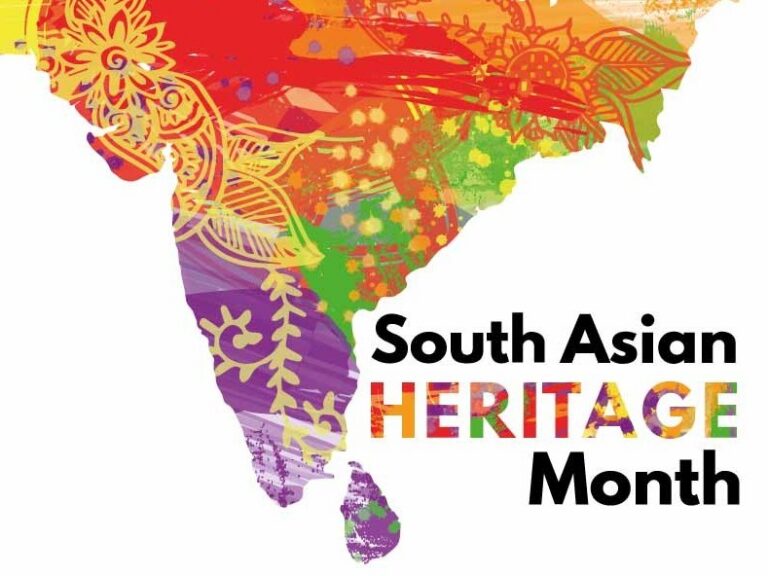
What South Asian Heritage Month’s ‘Unity in Diversity’ means to me
As part of South Asian Heritage Month, Komal George shares what this year's Unity in Diversity theme means to her, reflecting on cultural identity, leadership, representation and the role of inclusion in pharmacy.
-

Why neuroinclusion matters in pharmacy and healthcare
Caroline Murphy explores why neuroinclusion matters in pharmacy and healthcare, and how small changes can help colleagues thrive, strengthen teams and support better patient care.