Open letter calls for NICE to review guideline in response to propranolol concerns
Published: 7 October 2026
The General Pharmaceutical Council (GPhC), the Patient Safety Commissioner for England, the Royal College of Pharmacy and the College of Mental Health Pharmacy have written to the National Institute for Health and Care Excellence (NICE) to request a review of its guideline on the treatment of generalised anxiety disorder and panic disorder in adults.
The joint letter follows ongoing patient safety concerns associated with propranolol, identified through regulatory work and patient safety intelligence, including fatal overdoses highlighted through Prevention of Future Deaths reports. Propranolol is not currently recommended or mentioned within NICE guideline CG113. The organisations are asking NICE to review the guideline and make clear that propranolol is not recommended by NICE for the management of anxiety disorders and to highlight the risks associated with overdose.
The organisations also ask NICE to consider providing appropriate prescribing and safety advice for circumstances where propranolol is prescribed for anxiety in line with clinical judgement.
The letter, which was coordinated by the GPhC, has been signed by Dr Roz Gittins, Chief Pharmacy Officer at the GPhC; Professor Henrietta Hughes, Patient Safety Commissioner for England; Dr Emily Kennedy, Head of Professional Standards, Guidance and Patient Safety at the Royal College of Pharmacy; and Nicola Greenhalgh, President of the College of Mental Health Pharmacy.
Dr Emily Kennedy said:
“Recent patient safety concerns highlight the need for NICE to review and strengthen its guideline on the use of propranolol for anxiety. We support NICE considering the latest evidence and safety information so that clinicians, including pharmacists, can make informed prescribing decisions and help protect patients from avoidable harm.”
The Royal College of Pharmacy and the Royal College of Physicians Medicines Safety Joint Working Group, in collaboration with the National Poisons Information Service, previously wrote to the MHRA requesting a review of the medicine’s safety information, particularly around overdose, self-harm and suicide risk.
Related news
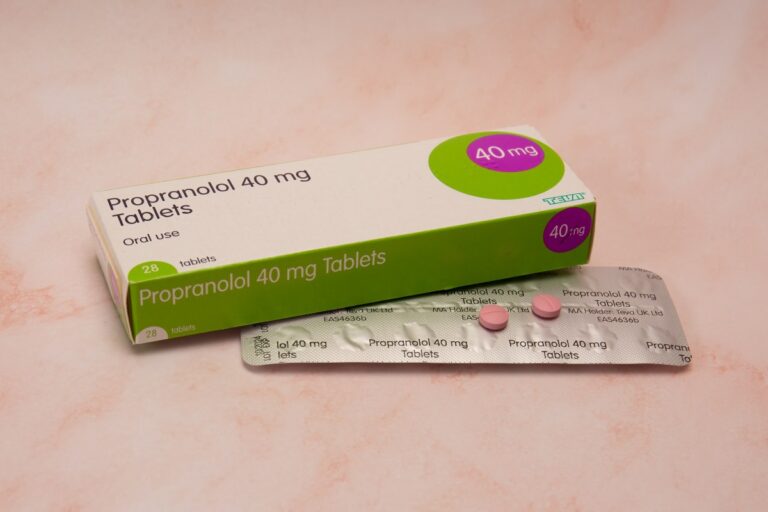
Royal Colleges call for review of propranolol safety information
Patient safety concerns over use of the medicine propranolol for generalised anxiety have prompted leading experts to call for a review of the medicine's safety information, particularly around overdose, self-harm and suicide risk. The Royal College of Pharmacy and the Royal College of Physicians Medicines Safety Joint Working Group, in collaboration with the National Poisons Information Service, has written to the Medicines and Healthcare products Regulatory Agency (MHRA) requesting updates to the medicine’s Summary of Product Characteristics. The request is based on evidence and clinical experience which indicate that the current licensed indication for propranolol in generalised anxiety is problematic for a number of reasons: There is no proven evidence that propranolol is effective in the treatment of generalised anxiety disorder. Propranolol poisoning is life-threatening, difficult to treat and is associated with a significant number of deaths. Prescribing for propranolol in general practice is increasing*, partly because the medicine is perceived to be relatively safe. Patients at increased risk of overdose, including those taking antidepressants or with a history of overdose, continue to be prescribed propranolol. The letter to the MHRA is part of a wider programme of activity led by the Royal College of Pharmacy (RCPharm) and Royal College of Physicians (RCP) Medicines Safety Joint Working Group to improve understanding of medication-related risks and support safer prescribing across the healthcare system. Kate Ryan, Joint Chair of the RCP/RCPharm Medicines Safety Joint Working Group, said: "Patient safety is at the heart of this work. While propranolol remains an effective treatment for many patients, its use for anxiety presents challenges. We are concerned about the serious consequences of overdose, particularly for vulnerable individuals." Dr Zuzanna Sawicka, Joint Chair of the RCP/RCPharm Medicines Safety Joint Working Group, said: "We are asking the MHRA to review whether the current indication for generalised anxiety disorder and associated safety information remain appropriate. Strengthening awareness of these risks among healthcare professionals and patients could support safer prescribing decisions and help prevent avoidable harm." The joint Medicines Safety Group will also be supporting an NHS England Patient Safety Team short-life working group examining this issue, including consideration of non-pharmacological and supported self-care options for patients. Today is World Patient Safety Day; explore our resources to support patient safety. Read more news stories.
Limit nasal decongestant spray use to seven days, says RPS
Nasal decongestant sprays should be used for no more than seven days, the RPS has warned, after new data showed many patients are unaware that longer use can trigger rebound congestion and dependence.