Limit nasal decongestant spray use to seven days, says RPS
Published: 8 January 2026
This news story was published when the organisation was the Royal Pharmaceutical Society.
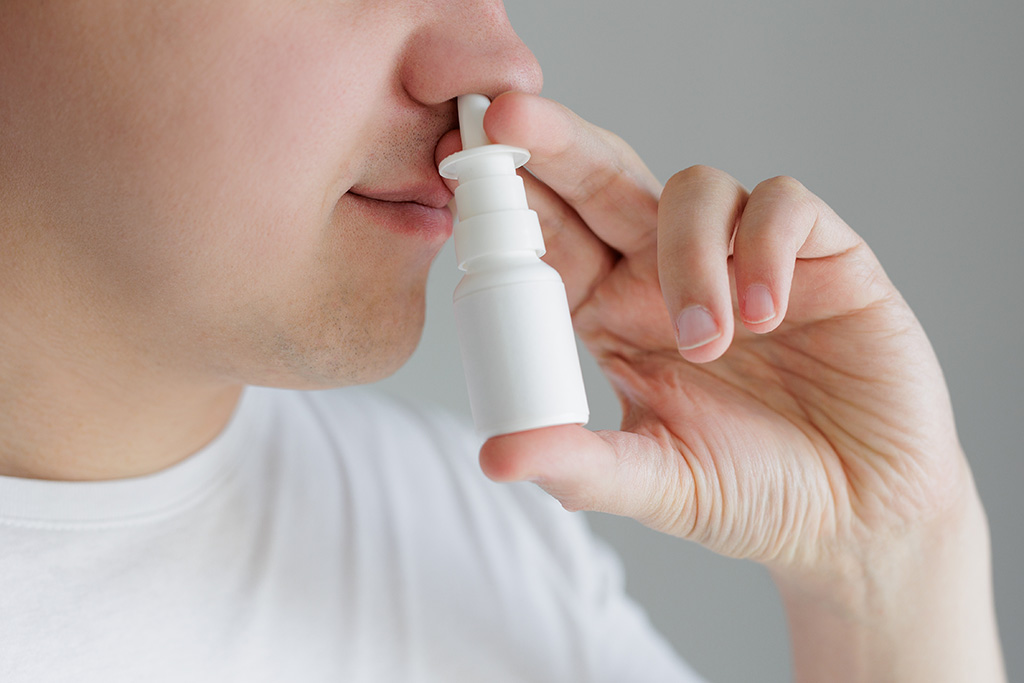
During the cold and flu season, the Royal Pharmaceutical Society (RPS) is reminding the public that nasal decongestant sprays should not be used for longer than seven days in a row. Longer use can cause ‘rebound congestion’, when people become dependent on the sprays to breathe more easily.
New data from RPS shows nearly 60% of pharmacists questioned think patients are unaware of the risk.
Nasal decongestant sprays have been used for many years and are a safe, quick and effective way to clear a blocked nose when used as directed. They work by reducing the swelling in your nose, which helps to clear congestion and makes breathing easier. The sprays can be bought in many retail outlets.
However, using them beyond the maximum seven-day limit can lead to rebound congestion – known as rhinitis medicamentosa – a preventable condition where symptoms worsen and a cycle of dependency develops on the spray.
Signs you might be overusing nasal sprays include needing to use the spray more often, feeling your congestion is worse when you stop, buying multiple bottles or exceeding the recommended dose. If this happens, seek advice from your pharmacist or another healthcare professional.
A new RPS survey of over 300 community pharmacists about nasal decongestant sprays containing the decongestant xylometazoline, or oxymetazoline, found that:
- 59% believe patients are unaware of the risk of rebound congestion
- 74% say the packaging could be clearer about the seven-day limit
- 63% have intervened in cases of suspected over-use, often recommending alternatives or refusing sales.
The RPS is calling for clearer packaging to emphasise the seven-day use limit and greater public awareness of rebound congestion and safe alternatives.
Professor Amira Guirguis, RPS Chief Scientist, said:
“Nasal decongestant sprays can be helpful for short-term relief but using them for longer than seven days can make your congestion significantly worse. Our research shows that many people are unaware of this risk, which means they may continue using these sprays without realising they could be prolonging their symptoms.
“We’d like to see clearer warnings on the packaging which you can’t miss and greater awareness of the seven-day limit. If your congestion lasts more than a week, speak to your pharmacist. There are safe and effective alternative options to help you manage your symptoms.”
Top tips for using nasal decongestant sprays safely
- Always follow the instructions on the packaging and read the patient information leaflet
- Do not use for longer than seven days and use the minimum dose required
- If you are still congested after seven days, get advice from your pharmacist about other treatment options such as saline rinses, nasal strips, menthol products and steam inhalation.
Watch Professor Amira Guirguis speak to ITV about nasal decongestant sprays.
Find out more on how to use nasal decongestant sprays safely.
Read more RCPharm news stories.
Related news

Call for evidence on facilitated self-selection of P medicines
This news story was published when the organisation was the Royal Pharmaceutical Society. We've published a call for evidence on the facilitated self-selection of P medicines following changes made by the regulator, the General Pharmaceutical Council (GPhC), enabling more pharmacies to adopt this practice. The call for evidence is open for eight weeks from 12 July – 06 September 2024 and is the outcome of the national Pharmacy Boards meeting in June, which discussed the current RPS position that "Pharmacy medicines must not be accessible to the public by self-selection", as stated in our guide Medicines, Ethics and Practice. The Call asks for submission of evidence of the benefits and harms of a facilitated self-selection model for P medicines in relation to patient care, and any evidence gaps with an explanation of areas where further research is required. RPS CEO Paul Bennett said: "Following changes brought by the GPhC focusing on an outcomes approach to standards, they have confirmed they no longer prohibit facilitated self-selection of P medicines. As a result, there are pharmacies that are now adopting a more flexible interpretation to providing this group of medicines. "The GPhC have stated that sale and supply of a P medicine must still take place in a registered pharmacy premises under the supervision of a pharmacist, and that appropritae measures should be in place to ensure that supervision continues. "The evidence base gathered through this exercise will inform a report by RPS Science and Research to enable us to consider our current position. As the professional body, we are committed to patient safety and the safe development of innovative practice to meet the needs of patients now and for the future. Please share the call for evidence with your networks." To inform the review, we want to hear from a wide range of pharmacists and pharmacy team members, patient representative bodies, employers, academics, think tanks, pharmacy representative bodies, regulators and other stakeholders and researchers. Please read and respond to the call for evidence.
Royal College of Pharmacy meets Members of the Senedd
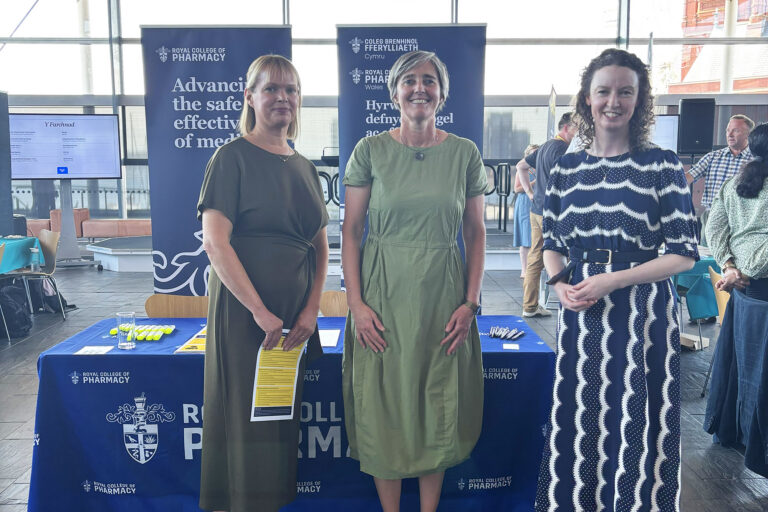
Last week, the Royal College of Pharmacy Wales team met with new Members of Senedd (MSs). With around 70% of Members newly elected to the Senedd, it was an important opportunity to introduce the College and highlight the clinical role, expertise and contribution of pharmacists across Wales. The team spoke to MSs about the contribution pharmacists across all sectors can make to the new Welsh Government’s health priorities. This included: Tackling waste to improve financial and environmental sustainability. Supporting patients with long-term conditions. Enabling care closer to home. Supporting prevention by helping people stay well and reducing medicines-related harm and hospital admissions. Left image: Liz Hallet standing with Becca Brown MS, centre image: Darren Millar MS, right image: Sera Evans MS and Geraldine McCaffrey. Source: Edie Boulcott, Camlas We also discussed the Welsh Government’s proposals for a new cancer plan and the introduction of up to ten new surgical hubs, emphasising the important role pharmacists can play in both areas. The team also emphasised that pharmacy teams need appropriate funding, resources and capacity to make full use of their expertise, improve patient care and help the NHS make best use of its resources. Liz Hallett, Chair of the Royal College of Pharmacy's Welsh Pharmacy Advisory Council, said: “It was valuable to meet new and returning MSs so early in the Senedd term. With so many new Members, it is important they understand the profession’s role across community pharmacy, general practice, hospitals and other healthcare settings.” Geraldine McCaffrey, Director for Wales at the Royal College of Pharmacy, added: “Pharmacists’ medicines expertise will be crucial to delivering the Welsh Government’s health priorities. Over the coming months, we’ll continue working with Members of the Senedd through one-to-one meetings, visits with pharmacy teams and responses to government consultations, ensuring pharmacists’ expertise and role in patient care are reflected as these plans are developed and implemented.” Find out more about our work in Wales. Read more news stories.