Making a difference for people with long-term conditions
Published: 7 November 2016
This was published when the organisation was the Royal Pharmaceutical Society.
Sections on this page
- Introduction
- Our approach
- Executive summary
- Calculating the value of pharmacists in improving care for people with long-term conditions
- Caring for people with long-term conditions
- The patient health journey for long-term conditions
- Prevention and self-management
- Timely detection
- Treatment and monitoring
- Palliative and end-of-life care
- Next steps
- References
Introduction
The Royal College of Pharmacy (RCPharm) believes that pharmacists have a crucial role to play in the support of people with long-term conditions. The management of long-term conditions represents a significant strain on an already overstretched primary care system and an unnecessary burden on secondary care resources through avoidable hospital admissions.
The RCPharm believes that the expertise and clinical knowledge of pharmacists must be fully utilised to support people with long-term conditions and help them to achieve the desired outcomes from their medicines, thereby making more efficient use of National Health Service (NHS) resources.
Our approach
This report takes a principle-based approach to the management of long-term conditions. Taking into account the increasing prevalence of multimorbidities, it is not condition-specific but rather takes a holistic and overarching view of the potential contribution represented by the pharmacy profession to support all people with long-term conditions.
This report focuses on the need to enhance the role of pharmacists as part of a multidisciplinary approach to help tackle the challenges facing the NHS in treating and supporting people living with long-term conditions.
This report takes into account the main objectives of NHS England’s Five Year Forward View and proposes that optimal use of pharmacists to support people with long-term conditions can:
- Improve health by maximising pharmacists’ role in health and wellbeing.
- Transform care by utilising pharmacists’ skills, expertise and knowledge in medicines and their holistic approach to patient care.
- Help to control costs by reducing medicines waste and unplanned admissions to hospital by better use of medicines.
All of these are key areas outlined in the NHS Business Plan 2016/171.
Executive summary
The effective management of long-term conditions is widely recognised to be one of the greatest challenges for the NHS this century2. More than 15 million people are currently living with at least one long-term condition3. and this number is expected to continue to rise. Long-term conditions place a huge burden on the NHS, particularly in primary care but also in secondary care through avoidable outpatient appointments and visits to Accident and Emergency (A&E).
Pharmacists already play an important role in the ongoing monitoring, support and treatment of people living with long-term conditions.
The RCPharm believes that the expertise and clinical knowledge of pharmacists must be fully utilised to support people with long-term conditions and help them to achieve the desired outcomes from their medicines, thereby making more efficient use of NHS resources.
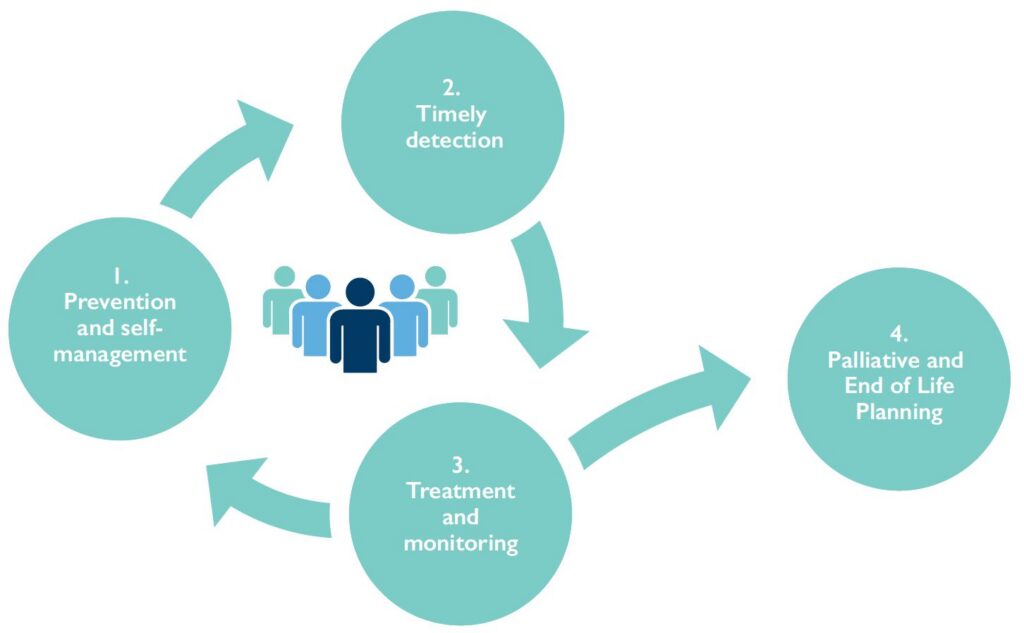
The patient journey for people with long-term conditions is represented by four stages: prevention and self-management; timely detection; treatment and monitoring; and palliative and end-of-life care. To maximise the contribution of pharmacists to the management of long-term conditions at each stage of the patient journey, RCPharm recommends the following actions:
Our vision for Great Britain
- Pharmacists providing direct patient care should have the opportunity to train to become a prescriber, fully utilising those skills as part of the multidisciplinary approach to managing and supporting people with long-term conditions.
- The patient journey will be made easier by enabling pharmacists to directly refer to appropriate health and social care professionals, improving patient access to care and reducing the number of unnecessary appointments.
- Patients will benefit from further integration of pharmacists into their multidisciplinary team, ensuring support at every stage of their journey, from prevention through to treatment and management of their long-term condition(s).
- All pharmacists directly involved in patient care should have full read and write access to the patient health record, with patient consent, in the interest of high-quality, safe and effective patient care.
England-specific recommendations:
- Commissioners, NHS Trusts, General Practice (GP) surgeries and community pharmacies should develop collaborative arrangements for specific categories of patients with long-term conditions to be partly or completely managed by pharmacists.
- Commissioners should develop collaborative arrangements to enable pharmacists with appropriate skills and knowledge to manage the long-term care of frail, elderly people living in care homes and other domiciliary settings.
- Public health organisations should fund the use of community pharmacies to target specific health promotion subjects that impact on the management of long-term conditions.
- Steps should be taken at national and local levels to develop ways of working that enable healthcare professionals to operate efficiently and effectively across traditional sectors.
- Pharmacists must play an important role in the safe management of people with one or more long-term conditions, and on several medicines (polypharmacy), by improving adherence to treatment, reducing side effects and admissions to hospital, and de-prescribing where appropriate.
- Pharmacists will contribute, with others, to the prevention and screening of disease, self-care and supporting patients diagnosed with a long-term condition from disease progression by supporting their health and wellbeing.
- Opportunities must be created for multidisciplinary teams to train and develop together to encourage greater collaboration and sharing of expertise.
- Pharmacists must have protected time to advance their practice and to sustain their professional development.
The implementation of these recommendations will ensure people with long-term conditions can benefit from greater access to the expertise of pharmacists, and in the long term, create cost efficiencies across the healthcare system.
Calculating the value of pharmacists in improving care for people with long-term conditions
More than 15 million people in England have at least one long-term condition4.
By 2025, 18 million people will have one or more long-term conditions5.
Up to £3,000 in annual costs for living with one long-term condition.
Up to £8,000 in annual costs for living with three or more long-term conditions7.
70% of the England health and social care budget is spent on caring for people with long-term conditions8.
£15 billion was spent on medicines in 20158.
Almost £1 billion was spent on prescriptions to treat and manage diabetes alone9.
30-50% of medicines prescribed for long-term conditions are not taken correctly10.
Long-term conditions account for 50% of all GP appointments11.
54,418 registered pharmacists in Great Britain12 and 11,700 community pharmacies in England13.
Adults in England visit a pharmacy on average 16 times a year14, and 1.2 million daily visits to pharmacies are for health-related reasons15.
Up to £500 million of extra value could be generated if medicines were used in an optimal manner in just five therapeutic areas16:
- Asthma.
- Diabetes.
- Raised blood pressure.
- Vascular disease.
- Care of people with schizophrenia.
Caring for people with long-term conditions
More than 15 million people in England have at least one long-term condition17, and effective management of long-term conditions is widely recognised as one of the greatest challenges facing the 21st century NHS in England18. Caring for long-term conditions currently accounts for approximately 70% of the health and social care budget in England19. This burden is set to increase with a projected rise in the number of people with one or more long-term conditions to around 18 million by 202520.
A long-term condition is often defined as a condition that cannot, at present, be cured but can be controlled by medication and other therapies. Examples of long-term conditions include diabetes, heart disease, asthma and chronic obstructive pulmonary disease. A substantial proportion of people with long-term conditions also experience co- or multimorbidity – the presence of two or more conditions simultaneously21.
It has been estimated that the number of people living with multiple long-term conditions is also predicted to rise to 2.9 million in 2018 (from 1.9 million in 2008)22. This would represent a significant increase in cost burden. The average health and social care cost per person per year rises exponentially with the number of long-term conditions with which they are living. Costs rise from just over £1,000 for someone with no long-term conditions, to around £3,000 for someone with one long-term condition and up to nearly £8,000 for someone living with three or more long-term conditions23.
Department of Health data shows that long-term conditions are more common in people from lower socio-economic groups; those from unskilled occupations (52%) suffer from long-term conditions more than groups from professional occupations (33%)24. Multimorbidity is also more common among deprived populations25.
A system under pressure
The Department of Health estimates that, in England, long-term conditions account for around 50% of all GP appointments26. Primary care has come under increasing pressure in recent years, with higher demands on GPs and longer appointment waiting times. There is also growing consensus that GPs require longer appointments to adequately manage the health needs of more complex patients, such as those living with one or more long-term conditions.
A recent report from the Royal College of General Practitioners stated that:
Only 8% of UK GPs feel that the current consultation length is long enough for patients with long-term conditions27.
Alongside this, demands on urgent and emergency care are also rising:
Long-term conditions are estimated to account for 68% of outpatient and A&E appointments and 77% of inpatient bed days28.
With the average cost of a hospital stay for a non-elective inpatient estimated to be £1,565 per day29, there is a clear need for more effective support to help manage people living with long-term conditions in their communities, in order to improve patient outcomes and reduce hospital
admissions.
Frontline pharmacists
Pharmacists already play an important role in the ongoing monitoring, support and treatment of people living with long-term conditions. With more than £15 billion spent on medicines in 2015, medication is the most common intervention in the management of long-term conditions. For example, prescriptions to treat and manage diabetes accounted for almost £1 billion of NHS spending in 201530.
As experts in medicines and their use, pharmacists can ensure patients receive the best outcomes from their medicines, reduce adverse events, minimise avoidable harm and unplanned admissions to hospital, and deliver efficient medicines use for the NHS. Adults in England visit a pharmacy on average 16 times a year31. This frequency of access means pharmacists are ideally placed to recognise the early signs and symptoms of many long-term conditions. Pharmacists also play an important role in preventing long-term conditions by promoting health and wellbeing.
As of 30 September 2016, there were 54,418 registered pharmacists in Great Britain12.
The RCPharm believes that the expertise and clinical knowledge of the pharmacist workforce can be
more fully utilised to support people with long-term conditions and help them to achieve the desired outcomes from their medicines, thereby making more efficient use of NHS resources.
This view has been echoed by stakeholders in many areas of the health sector.
“I welcome the recommendations of this report and the direction of travel which the RPS has outlined. Community pharmacists are skilled, registered health professionals who are the experts in medicines use and optimisation. I want their clinical skills to be much more available to patients to help them manage not just their medicines but also their overall health through the provision of healthy lifestyle advice. This is particularly true for patients with long-term conditions who may be taking many medicines and where there is evidence that outcomes are not always as good as they could be. The RPS’s report is timely because the Independent Review of Community Pharmacy Clinical Services will report later this year and it will recommend how the NHS should develop and improve clinical pharmacy services for patients.”
David Mowat MP, Parliamentary Under Secretary of State for Community Health and Care
“It is so important that patients have quick and easy access to care. Being able to speak to a local pharmacist could mean that patients are able to access the right care closer to home or their workplace; completely removing the challenges of booking an appointment with a GP, cutting out waiting times and taking out the worry for many patients who get anxious visiting a surgery. The Patients Association warmly welcome pharmacists becoming trained prescribers, not just because it will take pressure off GP surgeries, meaning a better service for patients who need to see their GP, but also because it is better for patients who don’t need to see their GP. It is a win-win situation for patients.”
Katherine Murphy, Chief Executive, The Patients Association
“National Voices congratulates the Royal Pharmaceutical Society for its consistent efforts to shape future roles for pharmacists that help create better lives and outcomes for people with long-term conditions. In dialogue with our member charities who work with hundreds of thousands of people, RPS has shown genuine commitment to mutual learning and to pursuing effective person-centred care, as reflected in this new policy position.”
Don Redding, Director of Policy, National Voices
“Diabetes UK fully supports the recommendations of this report. Pharmacists are working with patients in their communities every day. Integrating them into the multidisciplinary team could really support people living with diabetes and other long-term health conditions. People with diabetes get just three hours support from traditional diabetes team members each year on average. Extending the role of pharmacists into areas such as prescribing and specialist referral could mean people with diabetes have more support when they most need it.”
Simon O’Neill, Director of Health Intelligence, Diabetes UK
“Seven in ten people with dementia live with one or more other health conditions. With different doctors working in different parts of the health service prescribing medicines to treat each condition, people with dementia often end up with complex, outdated treatment packages.
“Pharmacist-led medicine reviews ensure holistic oversight of a person’s treatment, ensuring the medicines are working effectively, complement each other and that a person is able to adhere to them. People living with one or more long-term conditions need holistic and well-coordinated support to live as well as possible for as long as possible. Pharmacists can play a significant role in prevention, early detection, supported self-care and ongoing management of long-term conditions. We all know that pharmacists need to be deployed much more effectively to enhance the accessible, person-centred contribution they can make to health and wellbeing.
“It is now time to make this ambition a reality not just for small minorities of patients who benefit from pilots and innovation, but for everyone who lives with a long-term condition.”
Dr Charlotte Augst, Partnership Director, Richmond Group of Charities
“An enhanced and more integrated role for pharmacists in the NHS has the potential to bring significant benefits for people with dementia. A diagnosis of dementia is crucial to get the right information, treatment and support, yet a third of people living with the condition still don’t have one. Pharmacists’ routine contact with patients makes them ideally placed to spot the early signs of dementia and make referrals to the GP for a diagnosis.”
Jeremy Hughes, CEO Alzheimer’s Society
“This report from the Royal College of Pharmacy highlights the important, indeed vital, role pharmacists are playing in supporting people with long-term conditions. Its case studies and examples highlight the growing evidence that the greater use of pharmacists within a multidisciplinary approach to care can improve outcomes, with the accessibility and convenience of the community pharmacy setting providing an ideal place for expanding the opportunities for prevention and screening, as well as using the skills of community pharmacists to support those living with a long-term condition.
“The report is a timely call to action, and the recently announced Pharmacy Integration Fund should be used to develop these new pharmacy-based models of care, and explore how they should be commissioned and delivered at scale. With increasing numbers of people living longer while managing one or more long-term conditions, it’s time for a change of pace in developing the pharmacist’s contribution through patient-centred approaches that help people use medicines to achieve the right result for them, while maximising the efficient use of vital NHS resources.”
Rob Darracott, Chief Executive, Pharmacy Voice
“High-quality care for people living with long-term conditions depends on substantial multidisciplinary working, involving specialist and community nurses, pharmacists, allied health professionals, social care workers, health care assistants, and others. Nurses are often closely involved in the care and assessment of people who are receiving long-term care. Particularly in community and primary care settings, a specialist nurse will often assist other healthcare professionals as much as patients: a specialist nurse will support GPs and practice nurses, as well as providing advice and support to patients. They often give advice and support which may prevent the need for secondary interventions.
“Nurses will also work closely with pharmacists regarding medicines management. In this way, their expertise is central in supporting an integrated system of care, from acute and specialist services to self-management. Self-management is also important, and community nurses and community pharmacists can play a crucial role in helping individuals to manage their own conditions. It is vital that people living with long-term conditions are given the information and training to make choices about where and how they want to live, and are supported by appropriate, competent staff.“
Wendy Preston, Head of Nursing Practice, Royal College of Nursing
“The Faculty of Old Age Psychiatry welcomes this report. It highlights the increasing number of people living with long-term physical or mental conditions, with older individuals in particular often having multiple comorbidities. It stresses the importance of health professionals, including pharmacists working collaboratively and in an integrated manner across all systems to ensure the person with the long-term condition gets the best possible advice and support.
“Older people with mental health issues benefit from early recognition of their symptoms and prompt signposting for support/treatment. Pharmacists are in a unique position to see people with long-term conditions on a regular basis and so are well placed to recognise any signs and symptoms of mental health issues such as depression or dementia.”
Dr Amanda Thompsell FRCPsych, Chair of the RCPsych’s Faculty of Old Age Psychiatry
“Through its Future Hospital Programme, the RCP has long recognised the importance of bringing care closer to the patient by integrating care across the primary, secondary and community care sectors. As healthcare professionals on the high street, pharmacists are there for patients and families every day. Enhancing their role as part of the multidisciplinary team will open up new opportunities to identify and manage patients with long-term conditions, help patients better manage their own health and avoid hospital admissions.”
Dr Andrew Goddard, Royal College of Physicians
The patient health journey for long-term conditions
People living with long-term conditions must benefit from access to the right health and social care skill set at the right time to meet their physical and mental health needs. They should feel empowered to act as decision-makers in their own care to help shape their desired outcomes at all points of their long-term condition journey.
Figure 1 represents key stages in this journey. The role of pharmacists at each stage is further explored in this report.
The RCPharm believes that patients will benefit from further integration of pharmacists into their multidisciplinary team, ensuring support at every stage of their journey from prevention through to treatment and management of their long-term condition(s).
The RCPharm believes that pharmacists will contribute, with others, to the prevention and screening of disease, self-care and supporting patients diagnosed with long-term conditions from disease progression by supporting their health and wellbeing.
Figure 1: The long-term condition patient journey
The RCPharm believes that commissioners should develop collaborative arrangements to enable pharmacists with appropriate skills and knowledge to manage the long-term care of frail, elderly people living in care homes and other domiciliary settings.
Prevention and self-management
Everyone should be empowered and given the tools to maintain their own health and wellbeing. The Self Care Forum describes a ‘four pillars of engagement’ approach to self-care:
- Lifelong Learning.
- Empowerment.
- Information.
- Local and National Campaigns32.
Pharmacists are well placed to support people at each point of this model.
1. Lifelong learning
An estimated 1.6 million visits to community pharmacies take place daily, of which 1.2 million are for health-related reasons33. This regular contact, without the need for an appointment, means pharmacists are well placed to provide opportunistic health education, advice and support and to make every contact count. This is particularly true for people with diagnosed long-term conditions who regularly interact with pharmacists when collecting prescriptions.
2. Empowerment
There are over 11,700 community pharmacies in England34. Most of the population in England (89%) is estimated to have access to a community pharmacy within a 20-minute walk, and access is even greater in areas of highest deprivation (99.8%)35. This level of access is particularly important in the management of long-term conditions, which are more prevalent in lower socio-economic areas.
3. Information
As a trusted healthcare profession, pharmacists provide a reliable and confidential source of health and medicines information. The pharmacy team can also ensure that patients are signposted to trusted resources and support groups, both national and local, for further information about their physical and mental health. Pharmacists play a particularly important role in the prevention of long-term conditions. For example, obesity and smoking are risk factors for a number of long-term conditions36. Pharmacists are able to advise on reducing risks by providing information on smoking cessation and weight loss through a number of established community pharmacy programmes.
4. Local and national campaigns
Pharmacists and community pharmacies are highly engaged with both local and national health campaigns. Community pharmacies are contracted to undertake at least six locally-determined public health campaigns every year37, as well as their involvement in national campaigns like ‘Stoptober’. Over 9,000 pharmacies in England supported Smoke Free January in 2015, and nearly 10,000 pharmacies supported Stoptober in 201538.
Giving people the information and tools to make positive lifestyle choices and to engage in self-care empowers patients and is an essential step in maintaining good health and preventing illness. Shifting resources to support people to stay in the prevention stage of the long-term condition journey (see Figure 1) for as long as possible will help the NHS move from an illness service to a wellness service.
NHS England’s Five Year Forward View states that, “the future health of millions of children, the sustainability of the NHS, and the economic prosperity of Britain all now depend on a radical upgrade in prevention and public health39.”
The RCPharm believes that public health organisations should fund the use of community pharmacies to target specific health promotion subjects that impact on the management of long-term conditions.
89% of the English population is estimated to have access to a community pharmacy within a 20-minute walk.
Case study: Type 2 diabetes prevention
Type 2 diabetes prevention
Over the past 10 years, the number of people with diabetes in the UK has risen from 1.8 million to 3 million.
This growth is set to continue over the next decade40.
Lloyds Pharmacy has been offering free screening nationwide for Type 2 diabetes since 2003 and has carried out over 1.5 million assessment checks. It is estimated that had these been carried out by the NHS, it would have cost it £18.5 million. The screening service has resulted in the referral of over 75,000 people considered to be ‘at high risk’ to their GP for further investigation or diagnosis.
In 2013, the national pharmacy chain launched a new foot check advice service for diabetes patients. It was used by over 30,000 people in the first two weeks of it being available.
“Through our experience of providing the Lloyds Pharmacy Type 2 Diabetes Screening Service in community pharmacies for over 13 years, we know there are many opportunities to help find the millions of people who are at risk or have the condition and don’t know it.
“Through engaging customers and patients in conversations about their health and lifestyle, we can help to identify them early and provide the necessary advice, guidance and signposting in a friendly and familiar setting. The fact that we have now performed over 1.5 million checks shows that the pharmacy is an ideal place to provide such interventions.
“Our services extend to supporting people with a diagnosis, in helping them to manage their condition effectively, such as foot care awareness and medicines advice, which go some way to support the multispeciality care required to manage diabetes.”
Sam Preston, Prescription and Services Manager, Lloyds Pharmacy
Timely detection
When someone first starts to experience the symptoms of ill health, they may initially attempt to self-manage. At this stage, people will often seek advice from a pharmacy; this is an ideal opportunity for pharmacists to detect the early warning signs of what could potentially be diagnosed as a long-term condition.
Early detection and timely referral can make a significant difference to patients’ quality of life, particularly in conditions such as dementia41. The regularity with which pharmacists see patients means that they are well placed to detect signs and symptoms of some long-term conditions on an opportunistic basis.
Currently, the primary health care system includes barriers to direct referral from one health professional to another. When someone presents at a pharmacy with symptoms which require referral, the pharmacist has few options other than the traditional route of recommending that they visit their GP. The pharmacist may have already recognised that the patient would benefit from direct access to another healthcare professional, such as a dietician or physiotherapist, but this currently requires onward referral from a GP. This adds additional burden to the already overstretched GP network and can lead to delays in access to treatment.
The RCPharm believes that pharmacists should be an integral part of referral systems within the multidisciplinary team. Pharmacists should be able to directly refer to other health and social care professionals for minor health conditions. Pharmacists should also be referred to for common ailments, medicines reviews and the ongoing monitoring, support and treatment of patients with long-term conditions.
This would improve access to care and reduce unnecessary appointments, enabling GPs to focus on diagnosing more complex conditions. It would also streamline the patient journey and improve cost efficiency.
Pharmacists already conduct a number of screening programmes for long-term conditions. More opportunities for simple testing for long-term conditions should be explored as part of a preventative approach to healthcare, for example, atrial fibrillation detection, blood pressure monitoring for hypertension and testing blood sugar levels for diabetes.
Case study: Early detection of atrial fibrillation through “enhanced” medicines reviews
Early detection of atrial fibrillation through “enhanced” medicines reviews
Atrial fibrillation (AF) increases the risk of stroke, reduces quality of life, and increases morbidity and mortality42. A significant number of patients who have AF are asymptomatic, which often leads to a delay in diagnosis. Too often, AF is only detected when the patient presents with serious complications, such as a stroke. Anticoagulation reduces the risk of stroke, but data have shown that only around half of patients eligible for an anticoagulant actually receive one43.
Community pharmacists currently provide medicines use reviews to patients and are ideally situated to facilitate the diagnosis of AF.
The Royal Brompton and Harefield NHS Foundation Trust is currently running a programme to assess how the detection and treatment of AF can be improved via ‘enhanced’ medicines use reviews in community pharmacies44.
Ten community pharmacists are carrying out detailed medicines reviews for patients with risk factors for developing AF, for example high blood pressure or diabetes. In patients with existing AF, they are checking that they are receiving optimised treatment and are taking anticoagulants. As part of the consultation, the pharmacists are using a portable electrocardiography (ECG) device, called an AliveCor monitor, to detect AF.
Patients who are found to have undiagnosed AF, are not appropriately anticoagulated, have poor heart rate control, or have high symptom burden, will be referred to the Arrhythmia Care Team at Harefield Hospital, where they will be reviewed and offered individualised treatment.
Case study: Atrial fibrillation screening
Atrial fibrillation screening
Many patients with AF are asymptomatic and diagnosed via opportunistic screening. Community pharmacy has been advocated as a potential resource for opportunistic screening and lifestyle interventions.
During October 2014 – January 2015, six pharmacies in Kent undertook AF screening among eligible patients as identified through pharmacy records and the completion of a short questionnaire45. Of 594 patients screened, nine were identified as at risk of having AF and were referred to their GP.
The service also identified 109 patients with undiagnosed hypertension, 176 patients with a BMI of >30,131 with an Audit-C score of more than 5, and 59 smokers.
Pharmacists provided 413 interventions in 326 patients aimed at weight reduction (239), alcohol consumption (123) and smoking cessation (51).
This service evaluation revealed that patients are willing to be screened for AF through community pharmacies and that pharmacists are able to identify patients at risk of AF as well as other risk factors to health. Community pharmacists were able to provide advice to patients and make GP referrals as a result of this opportunistic screening.
Treatment and monitoring
Once a patient has been diagnosed with a long-term condition and stabilised by their GP or specialist, ongoing support should be provided by an appropriate multidisciplinary team to provide patient-centred, integrated care.
When prescribed and taken appropriately, medicines have the potential to significantly improve quality of life and health outcomes for people living with long-term conditions.
However, it is estimated that between 30-50% of medicines prescribed for long-term conditions are not taken correctly46.
It has been suggested that improving the effectiveness of adherence interventions may have a far greater impact on the health of the population than any improvement in specific medical treatments47. A report in 2010 stated that up to £500 million of extra value could be generated in just five therapeutic areas (asthma, diabetes, raised blood pressure, vascular disease and the care of people with schizophrenia) if medicines were used in an optimal manner48.
The principles of medicines optimisation describe how healthcare professionals can enable patients to improve their quality of life and outcomes from medicines use by having a sustained focus on the need to optimise patients’ medicines49. By focusing on a holistic approach to pharmaceutical care and optimisation of medicines, pharmacists can support people living with long-term conditions to maintain good health and avoid complications, as well as working to prevent the development of further conditions.
RCPharm believes that commissioners, NHS Trusts, GP surgeries and community pharmacies should develop collaborative arrangements for specific categories of patients with long-term conditions to be partly or completely managed by pharmacists.
RCPharm believes that steps should be taken at national and local levels to develop ways of working that enable health professionals to operate efficiently and effectively across traditional sectors.
RCPharm believes that opportunities must be created for multidisciplinary teams to train and develop together to encourage greater collaboration and sharing of expertise. The RPS believes that pharmacists must have protected time to advance their practice and to sustain their professional development.
Multimorbidity and polypharmacy
Alongside the rise in numbers of people living with several long-term conditions (multimorbidity), it also recognised that these patients experience poorer quality of life, poorer clinical outcomes, longer hospital stays, more post-operative complications and are therefore more costly to health services50.
People living with long-term conditions are also more likely to need complex medicines regimens with more intensive support from health professionals.
The rise in the number of people living with multiple long-term conditions is recognised as a key factor in the increase in prescribing rates. The proportion of patients receiving ten or more medicines has grown from 1.9% in 1995 to 5.8% in 2010, and the average number of items per person increased by 53.8% between 2001 and 201151.
The use of multiple medicines (polypharmacy) can become problematic when medicines are prescribed inappropriately, or where the intended benefit of the medication is outweighed by the risk. The more medicines an individual is prescribed, the greater the risk of drug interactions and adverse drug reactions, as well as impaired adherence to medicines and a reduced quality of life52.
Research also demonstrates that people with long-term conditions are two to three times more likely to experience mental health problems than the general population.
Much of the evidence relates specifically to affective disorders such as depression and anxiety; however, multiple morbidities are also common in dementia, cognitive decline and some other conditions53.
As the number of people living with multiple long-term conditions become more prevalent, the challenges associated with prescribing the right medicines and supporting patients to use them effectively should not be underestimated. This increase in complexity means that, besides developing and maintaining prescribing competency for individual conditions, prescribers are faced with the challenge of keeping up-to-date with new medicines, managing the risk of adverse events and the potential for interaction between medicines prescribed for different conditions54,55.
Managing polypharmacy is where the expertise of the pharmacist is an essential part of multidisciplinary approaches to care. Pharmacists’ in-depth pharmacology, therapeutics and medicines expertise is extremely valuable when considering the optimal medicines regimen for a person with multiple morbidities. Ensuring the appropriate use of medicines, stopping inappropriate medicines, as well as considering opportunities for lifestyle changes and non-medical therapies are key areas in which pharmacists can play a leading role.
There are currently 3,319 independent pharmacist prescribers in Great Britain56. Pharmacist prescribers can increase capacity in primary care by taking on some of the prescribing burden for long-term conditions.
The RCPharm believes that pharmacists must play an important role in the safe management of people with one or more long-term conditions, who are taking several medicines (polypharmacy), by improving adherence to treatment, reducing side effects and admission to hospital, and de-prescribing where appropriate.
The RCPharm believes that pharmacists providing direct patient care should have the opportunity to train to become a prescriber, fully utilising those skills as part of the multidisciplinary approach to managing and supporting people with long-term conditions.
Case study: Pharmacist management of asthma reviews
Pharmacist management of asthma reviews
Research has shown that the delivery of regular structured reviews of people with asthma can reduce their day-to-day symptoms and reduce the burden of providing emergency care on the NHS. However, it is reported that only two-thirds of patients with asthma have a routine asthma review each year57. Asthma reviews are mainly undertaken by practice nurses and GPs. The Signposting, Inhaler technique, Medication, Peak flow, Lifestyle and Education (SIMPLE) intervention package was developed to assess the potential value of patients receiving a structured review at their community pharmacy58.
In collaboration with other health professionals, community pharmacists were given extra training to deliver structured asthma reviews. 13 pharmacists carried out reviews in Leicester city centre on 165 patients with follow-up appointments at three and six months.
Of those reviewed:
42% of patients had not had an asthma review at their GP practice in the last 12 months.
56% had not had their inhaler technique checked in the last year.
Using the validated Asthma Control Test (ACT) the results showed most improvement in those patients who had not had an asthma review from their GP in the last 12 months, showing patients receiving significant clinical and quality of life improvement.
It is known that people only take their medicines as prescribed 50% of the time, which leads to poor outcomes and wasted resources59.
The study found considerable improvement in patients’ compliance with their medicines, resulting in better overall asthma control.
The study demonstrated a 32% decrease in GP appointments and a 40% reduction in hospital admissions.
The project team concluded that to improve patient outcomes and thus decrease hospital admissions, pharmacist asthma reviews should be targeted at patients who have not had a review from the GP recently, capitalising on the accessibility and approachability of the community pharmacist.
-Anna Murphy, Consultant Respiratory Pharmacist at University Hospitals of Leicester NHS Trust and honorary visiting professor, School of Pharmacy, DeMontfort University.
The New Medicine Service (NMS) is offered in England by community pharmacists to people starting a new medicine to help improve medicines adherence for the following long-term conditions: asthma/chronic obstructive pulmonary disease (COPD), type 2 diabetes, hypertension or antiplatelet/anticoagulant treatment. The intervention is based on the pharmacist having a consultation with the patient 7-14 days after initial presentation with a prescription for a new medicine.
A 2014 evaluation of the NMS showed that it significantly increased patients’ adherence to their new medicine and that delivery of the service will save the NHS money through better patient outcomes at overall reduced costs to the NHS60.
The NMS significantly increased adherence by about 10% and increased numbers of medicines problems identified and dealt with, compared with current practice61. The NMS alone has been estimated to have generated £17.3 million in health system cost savings net of the cost of delivery62.
Case study: The four or more medicines service
The four or more medicines service
Inappropriate prescribing and non-adherence have a significant impact on hospital admissions and patient quality of life. The English government has identified that community pharmacy could make a significant contribution to reducing non-adherence and improving the quality of prescribing, reducing both hospital admissions and medicines wastage. Four or more medicines (FOMM) is a community pharmacy support service aimed at patients >65 years old who are taking four or more medicines63.
In an evaluation of this service, 620 patients were recruited by 25 pharmacies across all sociodemographic areas across Aston, Leigh and Wigan. 441 (71.1%) completed the six-month study period. Pharmacists made 142 recommendations to prescribers in 110 patients, largely centred on potentially inappropriate prescribing of nonsteroidal anti-inflammatory drugs (NSAIDs), proton pump inhibitors (PPIs) or duplication of therapy.
After six months, patients had experienced a significant:
- Increase in medicines adherence.
- Reduction in medical and self-treated falls.
- Increase in patient quality of life.
Pharmacy teams picked up on a range of issues – not all medicines related. Patients were more satisfied with the management of their condition – a key NHS objective. Quality of life was improved in small but significant ways, such as advising on the correct length of walking sticks and how medicines could fit in with home and social life.
Based on the findings from the FOMM Service, it is estimated that if the service was delivered through 11,100 pharmacies in England to 954,600 patients, the NHS would see annual benefits of:
- £35.57 million in reduced medicines costs and hospital admissions as a result of STOPP / START recommendations.
- £33.87 million in reduced hospital costs due to reduction in falls that result in fractures.
- A total of 17,200 Quality Adjusted Life Years (QALYs).
Benefits as a result of improved medicines adherence, pain, and falls that do not require secondary care treatment have not been quantified.
This study shows that by focusing on patients over the age of 65 years with four or more medicines, community pharmacists can improve medicine adherence, clinical outcomes and patient quality of life – all at a potential cost-saving to the NHS.
Case study: Pharmacist prescribers – anti-coagulation service
Pharmacist prescribers – anti-coagulation service
Regulations to allow pharmacists to prescribe independently for any condition within their clinical competence came into effect in 200664. Pharmacists at Boots UK have been caring for patients taking warfarin by initiating therapy and monitoring ongoing dosing through community-based anticoagulation services for almost ten years.
Following the publication of the updated Atrial Fibrillation National Institute for Health and Care Excellence (NICE) guidelines in June 201465 which included the recommendation that the decision around anticoagulation treatment should be made after an informed discussion between clinician (including pharmacist clinicians) and the patient, Boots worked closely with Bromley CCG to develop a new clinical pathway to support the guidelines. The new pathway uses independent pharmacist prescribers to encourage a shared decision-making discussion with patients to offer all available treatments for anticoagulation, not just warfarin.
Once patients are referred by their GP, independent pharmacist prescribers (IPs) carry out a thorough consultation with patients, and where clinically indicated, the IPs can prescribe the patient’s anticoagulant of choice. Patients who are prescribed warfarin then go on to join the Boots Anticoagulation Service for ongoing management, and patients who choose a Direct Oral Anticoagulant (DOAC) are monitored for a period of three months before their care is transferred back to their GP.
Since the introduction of the new pathway in January 2016, Boots IPs have initiated either warfarin or a DOAC for over 80 patients, resulting in significantly positive outcomes.
Key findings:
- Extremely positive patient satisfaction with regular 100% scores in patient feedback questionnaires.
- Patients seen in clinics within days of the completed referral being received, minimising potential delays to initiating therapy.
- Freed up capacity in the Trust haematology department, allowing increased focus on patients and inpatients with more complex needs.
- Fantastic clinical development route for pharmacists to train and practice as IPs; demonstrating how pharmacy supports the wider health system.
“I was the first IP to pioneer this new model of care in the Bromley service and wrote the first FP10 prescription. It was a very proud moment for Pharmacy, for Boots UK and for me to carry out an activity that would have historically only been done in secondary care. We have moved from being a fragmented pathway across primary and secondary care to offering a more complete and seamless level of care for our patients. Developing similar pathways in other regions would, I believe, benefit the health system as a whole.”
Shirley Walker, Healthcare Partnership Manager and Independent Prescriber, Boots UK
Caring for people living with multiple long-term conditions
In 2012, the Central London Community Healthcare NHS Trust began running a pilot to support medicines optimisation in the >65s. The service involved the Clinical Medication Review Pharmacist, alone or accompanied by a GP or nurse, visiting the elderly patients in their home to conduct a Level 3 medicines review. Patients were referred by any member of the multidisciplinary team (MDT). The patients were mostly housebound and taking a number of medications for long-term conditions. On the basis of its success, the service was re-commissioned following the pilot.
A member of the Medicines Management Team – Clinical Medication Review Pharmacist, Nicole Le Morgan – describes one of her recent cases:
A GP referred an elderly lady to me who had been discharged from hospital with queried dementia. The lady had COPD, hypertension, chronic pain as a result of osteoarthritis, and atrial fibrillation. She was also at a high risk of falls. The GP was unclear about the appropriateness of the medications she was currently being prescribed and had requested a review be carried out at the patient’s home.
On visiting the patient, I saw numerous medications scattered around her home. Blister packs from previous prescriptions were evident, as were expired medications. The patient was evidently drowsy, even though it was the middle of the day, and she had stomach pain. She was unclear what the medications she was taking were for and was taking them incorrectly.
On assessment of her medications, I found that her antihypertensive medication (for very low blood pressure and risk of falls) had been stopped in hospital, but this change had not been carried through on discharge. I found her to be on too low a dose of anticoagulant given her high risk of stroke. Her drowsiness was due to her taking a sleeping tablet late at night to relieve itching, which, in turn, was due to the pain-relief patches she had been prescribed years ago for lower back pain, but were actually no longer required. She had been missed off the flu jab list and was not currently being prescribed bone protection supplements, which she was clearly in need of. She also had a very poor inhaler technique.
I liaised with the MDT to make the necessary adjustments to the patient’s medications. I was able to counsel her on her inhaler technique and also referred her to the local memory service, and I provided her with a medication chart as a reminder of what she should be taking and what each medicine was for. She was subsequently diagnosed with mild-moderate dementia.
On my second visit to the patient, accompanied by the district nurse, it was evident that the patient was much improved. She no longer had stomach pain, her blood pressure had improved, and she was much more alert. It is likely that her risk of falls and stroke had been reduced, and she was finding the medication chart to be helpful with compliance.
Through a 45-minute visit to the patient in her home, I was able to get a full picture of the medication needs of the patient. As well as adjusting her medications, I was also able to put her in touch with other services critical to her holistic wellbeing.
Palliative and end-of-life care
Palliative and end-of-life care are not necessarily an inevitable part of the long-term condition cycle. People can live well with a long-term condition, providing that it is managed effectively. However, should a patient’s condition begin to deteriorate, it could become a necessary extension of their treatment and management plan, as illustrated in Figure 1.
People with palliative care and end-of-life care needs must be treated with dignity and respect and empowered to shape their own patient journey66. End-of-life care can be a very difficult process for families and carers; some may have to take over decision-making for their relative, and so it is vital that families and carers are supported and given as much advice and information as they need, at a time that is appropriate for them. Support for the patient and carer or family must also include dialogue between the whole multidisciplinary health team, social care and third sector to ensure the patient’s needs are effectively met in the care setting of their choice. Co-ordination and communication across the multidisciplinary team will be critical to delivering high-quality and responsive palliative and end-of-life care. This can be facilitated by read and write access to the electronic patient record.
The RCPharm believes that all pharmacists directly involved in patient care should have full read and write access to the patient health record, with patient consent, in the interest of high-quality, safe and effective patient care. Medicines can be of significant benefit during end-of-life care to control pain, alleviate symptoms and stabilise conditions. This is an area in which patients can benefit significantly from the support and expertise of a pharmacist to help them make decisions about their medicines and healthcare. There are often problems in accessing palliative care medicines in the last few days of life as the needs of the patient change rapidly, especially for opioids or for injectables for syringe drivers. Access to medicines needs to be effectively managed to avoid medicines wastage. Within an area, a network of pharmacists could be established that hold such supplies and have expertise within this area of care.
Case study: Managing end-of-life through an effective multidisciplinary team
Managing end-of-life through an effective multidisciplinary team67
Standard 1368 specifies that palliative care must be developed in accordance with a personalised care plan, including rapid access to administration of medicines, and should also consider the patient’s needs and preferences for place of death.
In 2013, the Argyle Care Home Service was commissioned by Ealing CCG to provide medical and pharmaceutical care to patients across 19 nursing homes. The multidisciplinary team (MDT) consisted of GPs, an independent prescribing practice nurse, and full skill mix of clinical and prescribing pharmacists and pharmacy technicians. Prior to this, nursing home patients’ deaths in hospital were significantly higher than the national average and deaths in nursing homes were significantly lower.
Working with the local palliative care team, the MDT implemented several initiatives to improve upon this:
- Training and support for nurses in homes and community pharmacists.
- Joint MDT working and scheduled visits to provide truly holistic patient-centred care.
- Development of a formulary of anticipatory medicines designed to meet the needs of most patients.
- Identifying pharmacies that will stock and supply anticipatory medicines urgently.
- Improving communication between the ‘trinity’ of home, general practice and pharmacy.
- Support and teaching for doctors, GP pharmacists and pharmacy technicians.
- Integrated working with community pharmacies to ensure timely supply.
Through these initiatives, there was a reduction of more than 40% in admission to hospital for end-of-life care from 2013-2016. 36% of patients had anticipatory medicines in place at the time of death, which were used in 61% of patients. The initiatives resulted in the increased empowerment of nurses, carers and pharmacists, and improved facilitation of patient and family wishes at end of life.
With the support [the MDT] give, our residents generally die within the home around faces they recognise. I hope the Argyle Surgery will continue to run the Home Service in future as this makes the difference between residents dying with dignity around people they care for or residents being rushed off to hospital in an emergency and dying without dignity around people they don’t. As all our residents have dementia, this makes a real difference to patients and families.
Nursing home manager
Next steps
This report has been developed to instigate action at national and local levels to ensure people with long-term conditions can benefit from greater access to the expertise of pharmacists.
Implementation of this report’s recommendations will help to drive quality improvements in the delivery of care by the multidisciplinary team and will contribute to the changes needed to reduce demands on health and social care services, including emergency care in England.
Action will be required across NHS England to review current plans for long-term conditions and to address the role that the pharmacy profession can play in the development of effective models of care. This should be a key element of the new Sustainability and Transformation Plans.
The RCPharm in England is committed to working with the NHS and other partners to drive this important agenda forward and to evaluate its effectiveness in improving patient care.
References
References
- 1 NHS England (2016). NHS England Business Plan for 2016/17. https://www.england.nhs.uk/wp-content/uploads/2016/03/bus-plan-16.pdf
- Health Select Committee (2014). Managing the care of people with long–term conditions. http://www.publications.parliament.uk/pa/cm201415/cmselect/cmhealth/401/401.pdf
- Department of Health (2012). Long-term conditions compendium of Information: 3rd edition. https://www.gov.uk/government/uploads/system/uploads/attachment_data/file/216528/dh_134486.pdf
- Ibid
- Health Select Committee (2014). Managing the care of people with long–term conditions. http://www.publications.parliament.uk/pa/cm201415/cmselect/cmhealth/401/401.pdf
- Department of Health (2012). Long-term conditions compendium of Information: 3rd edition. https://www.gov.uk/government/uploads/system/uploads/attachment_data/file/216528/dh_134486.pdf
- Ibid
- The Guardian (3 Aug 2016). Diabetes drugs cost NHS nearly £1bn a year (no longer available)
- Ibid
- NICE (reviewed 2015). Medicines adherence: involving patients in decisions about prescribed medicines and supporting adherence. https://www.nice.org.uk/guidance/cg76
- Department of Health (2012). Long-term conditions compendium of Information: 3rd edition. https://www.gov.uk/government/uploads/system/uploads/attachment_data/file/216528/dh_134486.pdf
- General Pharmaceutical Council. Data from the General Pharmaceutical Council Register. As of 30 September 2016
- PSNC (2016). Essential facts, stats and quotes relating to pharmacy and pharmacy professionals (no longer available)
- NHS England (2014). Community Pharmacy – helping provide better quality and resilient urgent care (no longer available)
- PSNC (2016). Essential facts, stats and quotes relating to pharmacy and pharmacy professionals. (no longer available)
- York Health Economics Consortium and The School of Pharmacy, UCL (2010). Evaluation of the Scale, Causes and Costs of Waste Medicines. http://discovery.ucl.ac.uk/1350234/1/Evaluation_of_NHS_Medicines_Waste__web_publication_version.pdf
- Department of Health (2012). Long-term conditions compendium of Information: 3rd edition. https://www.gov.uk/government/uploads/system/uploads/attachment_data/file/216528/dh_134486.pdf
- Health Select Committee (2014). Managing the care of people with long–term conditions. http://www.publications.parliament.uk/pa/cm201415/cmselect/cmhealth/401/401.pdf
- Department of Health (2012). Long-term conditions compendium of Information: 3rd edition. https://www.gov.uk/government/uploads/system/uploads/attachment_data/file/216528/dh_134486.pdf
- Health Select Committee (2014). Managing the care of people with long–term conditions. http://www.publications.parliament.uk/pa/cm201415/cmselect/cmhealth/401/401.pdf
- The King’s Fund (2010). Managing people with long-term conditions: An Inquiry into the Quality of General Practice in England (no longer available).
- Department of Health (2012). Long-term conditions compendium of Information: 3rd edition. https://www.gov.uk/government/uploads/system/uploads/attachment_data/file/216528/dh_134486.pdf
- Ibid
- Ibid
- Barnett K, Mercer SW, Norbury M, Watt G, Wyke S, Guthrie B (2012). Epidemiology of multimorbidity and implications for health care, research, and medical education: a cross-sectional study. The Lancet online. http://www.thelancet.com/journals/lancet/article/PIIS0140-6736%2812%2960240-2/abstract
- Department of Health (2012). Long-term conditions compendium of Information: 3rd edition. https://www.gov.uk/government/uploads/system/uploads/attachment_data/file/216528/dh_134486.pdf
- Royal College of General Practitioners (2016). Responding to the needs of patients with multimorbidity: A vision for general practice; p 6
- Department of Health (2012). Long-term conditions compendium of Information: 3rd edition. https://www.gov.uk/government/uploads/system/uploads/attachment_data/file/216528/dh_134486.pdf
- Department of Health (2015). Reference costs 2014-15. https://www.gov.uk/government/uploads/system/uploads/attachment_data/file/477919/2014-15_Reference_costs_publication.pdf
- The Guardian (3 Aug 2016). Diabetes drugs cost NHS nearly £1bn a year (no longer available)
- NHS England (2014). Community Pharmacy – helping provide better quality and resilient urgent care (no longer available)
- Self Care Forum (2014). The Self Care Forum Manifesto. http://www.selfcareforum.org/wp-content/uploads/2014/11/ SelfCareForumManifestoNov2014.pdf
- PSNC (2016). Essential facts, stats and quotes relating to pharmacy and pharmacy professionals (no longer available)
- PSNC. PSNC contractor database (Accessed January 2015) (no longer available)
- A Todd et al (2014). The positive pharmacy care law: an area-level analysis of the relationship between community pharmacy distribution, urbanity and social deprivation in England. British Medical Journal. http://bmjopen.bmj.com/content/4/8/e005764
- Great Yarmouth and Waverley CCG (2015). Lifestyle: Obesity and Smoking – and the Health of the Population (no longer available)
- PSNC. Essential Service 4 – Promotion of Healthy Lifestyles (Public Health) Service Specification (no longer available)
- Local Government Association (2016). The community pharmacy offer for improving the public’s health: a briefing for local government and health and wellbeing boards (no longer available)
- NHS England (2014). Five Year Forward View. https://www.england.nhs.uk/wp-content/uploads/2014/10/5yfv-web.pdf
- Diabetes Decade Report (2013). Lloyds data on file.
- The King’s Fund (2010). Managing people with long-term conditions: An Inquiry into the Quality of General Practice in England (no longer available)
- NICE (2014). Atrial fibrillation: management. Clinical guideline [CG180]. https://www.nice.org.uk/guidance/cg180?unlid=6765604682016101117297
- Cowan C, Healicon R, Robson I, Long WR, Barrett J, Fay M et al (2013). The use of anticoagulants in the management of atrial fibrillation among general practices in England. Heart (British Cardiac Society). 2013; 99(16):1166-1172
- Royal Brompton and Harefield NHS Foundation Trust via The Health Foundation. Enhanced medicines use reviews to improve the detection and treatment of atrial fibrillation. http://www.health.org. uk/programmes/innovating-improvement/projects/enhancedmedicines-use-reviews-improve-detection-and
- MJ Twigg et al (2016). Identification of patients with atrial fibrillation in UK community pharmacy: an evaluation of a new service. International Journal of Clinical Pharmacy, 38: 784–787. http://link.springer.com/article/10.1007/s11096-016-0303-8
- NICE (reviewed 2015). Medicines adherence: involving patients in decisions about prescribed medicines and supporting adherence. https://www.nice.org.uk/guidance/cg76
- Haynes R, McDonald H, Garg A, Montague P (2002). Interventions for helping patients to follow prescriptions for medications. The Cochrane Database of Systematic Reviews, 2, CD000011
- York Health Economics Consortium and The School of Pharmacy, UCL (2010). Evaluation of the Scale, Causes and Costs of Waste Medicines. http://discovery.ucl.ac.uk/1350234/1/Evaluation_of_NHS_Medicines_Waste__web_publication_version.pdf
- Royal Pharmaceutical Society (now the Royal College of Pharmacy). Medicines Optimisation
- Fortin M, Soubhi H, Hudon C, Bayliss EA, Akker M v d (2007).‘Multimorbidity’s many challenges’. BMJ 334 (7602): 1016–17
- The King’s Fund (2013). Polypharmacy and medicines optimisation: Making it safe and sound (no longer available)
- Ibid
- The King’s Fund (2012). Long-term conditions and mental health: The cost of co-morbidities (no longer available)
- NICE (2016). Multimorbidity: clinical assessment and management. https://www.nice.org.uk/guidance/ng56
- The Royal Pharmaceutical Society (2016). A Competency Framework for all Prescribers. https://www.rcpharm.org/professional-standards/a-competency-framework-for-all-prescribers/
- General Pharmaceutical Council. Data from the General Pharmaceutical Council Register.
- Asthma UK (2004). Where do we stand? Asthma in the UK Today.
- Gibson PG, Powell H, Coughlan J, et al (2002). Self-management education and regular practitioner review for adults with asthma.
- The Cochrane Database of Systematic Reviews, Issue 3. Art. No.:CD001117. DOI: 10.1002/14651858.CD00111759 EFPIA website (no longer available)
- Elliott R.A. et al (2014). Understanding and Appraising the New Medicines Service in the NHS in England (029/0124). p 8.
- Ibid; p 10.
- PSNC (2016). The value of community pharmacy – detailed report. p 149.
- MJ Twigg et al (2015). The four or more medicines (FOMM) support service: results from an evaluation of a new community pharmacy service aimed at over-65s. International Journal of Pharmacy Practice, 23: 407–414. http://onlinelibrary.wiley.com/doi/10.1111/ijpp.12196/abstract
- Pharmacy Regulation website. GPC. Pharmacist independent prescriber. http://www.pharmacyregulation.org/education/pharmacist-independent-prescriber
- NICE (2014). Atrial fibrillation: management. https://www.nice.org.uk/guidance/cg180
- Royal Pharmaceutical Society (2016). Your Care, Your Medicines.
- J Owen et al (2016). Pharmacy team-led anticipatory prescribing in nursing homes: increasing proportion of deaths in usual place of residence. International Journal of Pharmacy Practice, 24: (3), pp12.
- NICE. Guidance: End of life care for adults: QS13 (no longer available)