Black History Month 2026
Published: 26 August 2026
Join us in celebrating Black History Month throughout October, to recognise and celebrate the invaluable contributions of Black people to British society and for us in particular, pharmacy. It also serves as an opportunity to inspire and empower future generations.
This is the tenth anniversary of pharmacy’s Black History Month celebration events. We will look back to recognise the history, achievements and contributions of Black pharmacy professionals, then look forward to envisioning how the future can be shaped to be more inclusive.
This year’s theme is Honouring Our Communities – an event dedicated to celebrating the people, cultures and collective experiences that have shaped and continue to strengthen the pharmacy profession.
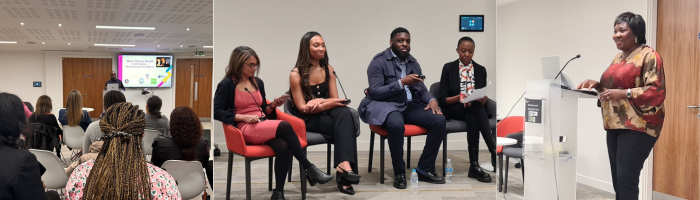

Together, we will explore how community connections influence our professional journeys, support our wellbeing, and help us deliver compassionate, culturally responsive care.
We will hear powerful personal stories, reflections on heritage, thoughts about leadership and the importance of creating environments where everyone can thrive. We will also consider the ongoing challenges of health inequalities and structural barriers, and the actions we can take (individually and collectively) to advance equity within our profession and for the patients and communities we serve.
Learning objectives
- Recognise and celebrate the contributions, achievements and impact of Black pharmacy professionals.
- Explore the role of community, culture and heritage in influencing professional identity, wellbeing and leadership within pharmacy.
- Examine the impact of health inequalities and structural barriers on Black communities and identify opportunities for pharmacy professionals to promote equitable and culturally responsive care.
- Identify practical actions that individuals, teams and organisations can take to foster inclusion, belonging and equity across the pharmacy workforce and the communities it serves.
Whether you identify as Black, are part of a wider ethnically diverse community, or simply want to learn, reflect and connect, this event is for you. Join us to celebrate our communities and strengthen our commitment to a more inclusive future for pharmacy.
Signing up
RCPharm members – please ensure you use the email address associated with your membership account when registering, entered all in lowercase. You will then be asked to log in to the RCPharm website before being returned to complete the registration form.
Non-members – please make sure there are no typos when entering your email address. This will ensure you receive all event communications.
Please note: registration will remain open until 12pm on Friday 2 October 2026, unless fully booked sooner.
Black History Month 2025
Watch our Black History Month event 2025 – Standing Firm in Power and Pride, presented by Angela Burini.
Inclusion and diversity homepage
Explore our commitment to inclusion, diversity and belonging across pharmacy.
Inclusion and diversity at the College
Learn how the College is advancing inclusion and diversity across pharmacy.
Race advocacy – challenges to address
Explore resources and guidance supporting racial equality and inclusion in pharmacy.
Related blogs
-

What South Asian Heritage Month’s ‘Unity in Diversity’ means to me
As part of South Asian Heritage Month, Komal George shares what this year's Unity in Diversity theme means to her, reflecting on cultural identity, leadership, representation and the role of inclusion in pharmacy.
-

Why neuroinclusion matters in pharmacy and healthcare
Caroline Murphy explores why neuroinclusion matters in pharmacy and healthcare, and how small changes can help colleagues thrive, strengthen teams and support better patient care.
-

Supporting autistic colleagues in the workplace
By Zahra, an autistic pharmacist Despite increasing awareness around autism, there is still an opportunity to build greater understanding of how organisations can create genuinely inclusive environments. This blog provides possible ways to support autistic colleagues, particularly for managers, from my perspective as an autistic pharmacist. Creating a supportive environment A crucial part of a manager’s role is to help create an environment where all colleagues feel respected. This includes developing and ensuring you have a basic understanding of autism and reasonable adjustments, whether for your current team, future colleagues or patients. Autistic individuals may have a diagnosis, be waiting for a diagnosis or have a self-diagnosis, and have varying support needs. They are all valued members of the autistic community and are all entitled to reasonable adjustments. It can be helpful to reflect on any preconceived ideas you may have around autism, as these are often formed from inaccurate stereotypes or common misconceptions. Reflecting on this can help you to approach the topic with more openness and recognise the benefits of implementing systemic changes by putting inclusive practices in place. Your autistic colleagues shouldn’t feel they have to constantly advocate for themselves due to a lack of inclusivity. Practical ways to support autistic colleagues Use reliable resources when learning about autism, some of which are listed below. This also applies to reasonable adjustments; It is their decision whether they tell you that they’re autistic, including if they decide to share this with other colleagues and how they may want to do so. Make sure to provide a safe space for them to open up if they wish. It’s also important to remember that they don’t owe anyone an explanation on autism or their story; Ensure colleagues are aware reasonable adjustments are available to them. This can help reduce any stress on them trying to initiate that conversation; It is essential to give them the space to tell you what support they need, rather than trying to make that decision for them. Reasonable adjustments may also change over time, for example requiring more support during busier periods; Use the correct and respectful terminology, for example using the term “low support needs” instead of “high-functioning”; Never make assumptions on their strengths and areas for support; Try to focus on understanding and supporting your autistic colleague, rather than feeling you need to understand the entirety of autism. Even if you are just starting to learn about autism, ensuring that you are respectful, accepting and providing the support autistic people may need is what matters most. It is a necessity for work environments to be genuinely inclusive for everyone. National Autistic Society: What is autism? National Autistic Society: What are reasonable adjustments and when can they be requested? Acas: Adjustments for neurodiversity — Reasonable adjustments at work — Acas The Pharmaceutical Journal: Autism: identification, management and support Explore our inclusion and diversity work Read more blogs