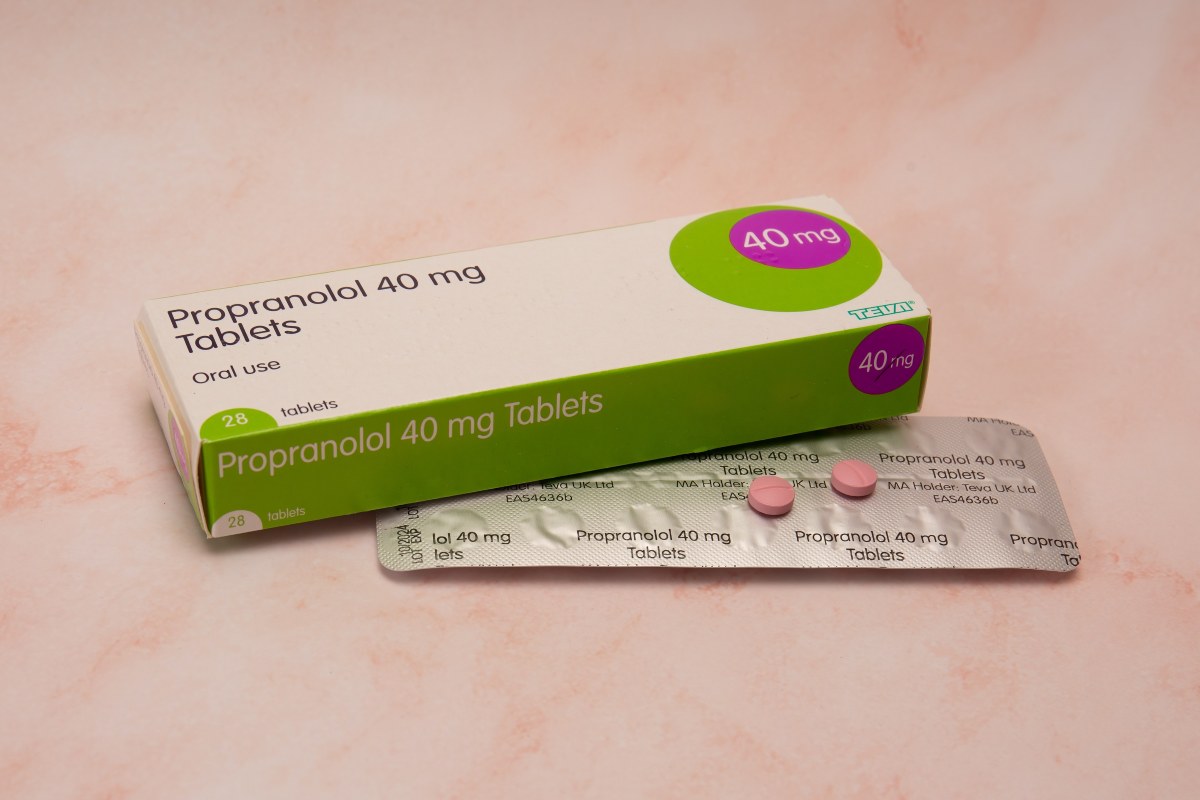
Royal Colleges call for review of propranolol safety information
Published: 17 September 2026
Patient safety concerns over use of the medicine propranolol for generalised anxiety have prompted leading experts to call for a review of the medicine’s safety information, particularly around overdose, self-harm and suicide risk.
The Royal College of Pharmacy and the Royal College of Physicians Medicines Safety Joint Working Group, in collaboration with the National Poisons Information Service, has written to the Medicines and Healthcare products Regulatory Agency (MHRA) requesting updates to the medicine’s Summary of Product Characteristics.
The request is based on evidence and clinical experience which indicate that the current licensed indication for propranolol in generalised anxiety is problematic for a number of reasons:
- There is no proven evidence that propranolol is effective in the treatment of generalised anxiety disorder.
- Propranolol poisoning is life-threatening, difficult to treat and is associated with a significant number of deaths.
- Prescribing for propranolol in general practice is increasing*, partly because the medicine is perceived to be relatively safe.
- Patients at increased risk of overdose, including those taking antidepressants or with a history of overdose, continue to be prescribed propranolol.
The letter to the MHRA is part of a wider programme of activity led by the Royal College of Pharmacy (RCPharm) and Royal College of Physicians (RCP) Medicines Safety Joint Working Group to improve understanding of medication-related risks and support safer prescribing across the healthcare system.
Kate Ryan, Joint Chair of the RCP/RCPharm Medicines Safety Joint Working Group, said:
“Patient safety is at the heart of this work. While propranolol remains an effective treatment for many patients, its use for anxiety presents challenges. We are concerned about the serious consequences of overdose, particularly for vulnerable individuals.”
Dr Zuzanna Sawicka, Joint Chair of the RCP/RCPharm Medicines Safety Joint Working Group, said:
“We are asking the MHRA to review whether the current indication for generalised anxiety disorder and associated safety information remain appropriate. Strengthening awareness of these risks among healthcare professionals and patients could support safer prescribing decisions and help prevent avoidable harm.”
The joint Medicines Safety Group will also be supporting an NHS England Patient Safety Team short-life working group examining this issue, including consideration of non-pharmacological and supported self-care options for patients.
Today is World Patient Safety Day; explore our resources to support patient safety.
Related news

Royal College of Pharmacy welcomes new pharmacy minister
The Royal College of Pharmacy welcomes Dame Diana Johnson as the new minister responsible for pharmacy and calls for pharmacy to be central to NHS reforms.
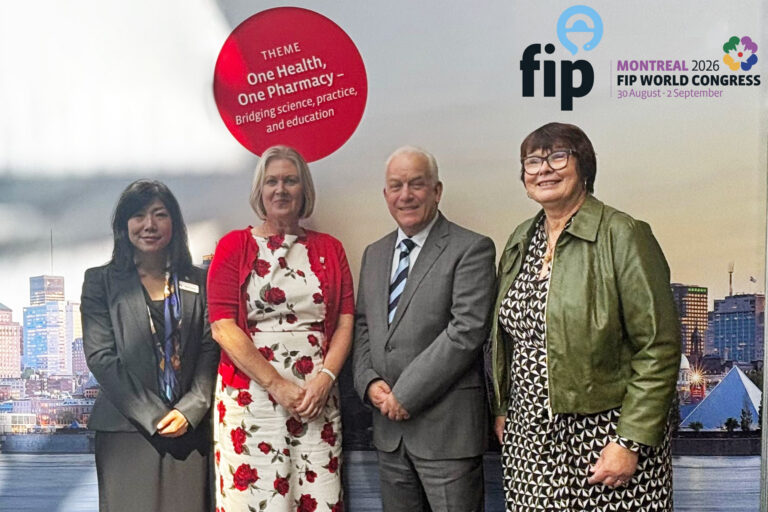
Three RCPharm members take up senior FIP leadership roles
Three members of the Royal College of Pharmacy (RCPharm) have been elected or ratified to senior leadership positions on the Board of the International Pharmaceutical Federation (FIP). Professor Claire Anderson has been elected as a FIP Vice President for 2026–2027, Lars-Åke Söderlund has been elected FIP President-elect for 2026–2027, and Naoko Arakawa has been ratified as FIP Vice President for Operational Education. All three will take up their positions on 3 September, following elections and ratifications by the FIP Council. Former Royal Pharmaceutical Society (RPS) President and current Trustee and Senate member of the RCPharm, Professor Claire Anderson is also a current elected member of the RCPharm English Pharmacy Advisory Council. She served as RPS President from 2021 to 2026 and was nominated by RCPharm for her FIP Vice President role. Lars-Åke will become FIP President from 2027 to 2031, following his term as President-elect. He previously served as a FIP Vice President from 2021 to 2025 and is co-chair of the FIP Technology Advisory Group. Naoko was the International Lead at the RPS for the UK-Japan collaborative programme between 2016 and 2018. She is currently Associate Professor at the School of Pharmacy, University of Nottingham, as well as FIP Interim Education Secretary and a global lead for Competency Development of the FIP Hub. The appointments highlight the depth of expertise and leadership among RCPharm members and their contribution to shaping the future of the profession internationally. Professor Tracey Thornley, a Fellow of RCPharm and former member of the RPS English Pharmacy Board, has also been awarded Fellowship of FIP. RCPharm congratulates Claire, Lars-Åke and Naoko on their appointments, as well as Tracey on her Fellowship. Find out more about FIP. Read more news stories.